

and Goritz model [51] to explain the nonlinear behavior of the nanocomposite
systems.
“Smart” silica-rubber nanocomposites and the influence on filler-rubber interaction through introduction of hydrogen bonding between silica and the modified
rubber have been reported by Peng et al. [52]. The authors investigated the
influence of hydrogen bonding (HB) interactions on the dynamic mechanical
properties of nanocomposites containing surface unmodified and modified silica
nanoparticles (obtained from Sto ¨ber synthesis) and a thermoreversible crosslinking
rubber with controlled functionality (Fig. 13).
This approach allows the incorporation of hydrogen bonds interacting not only
between silica particles but between silica and polymer chains as well. Interesting
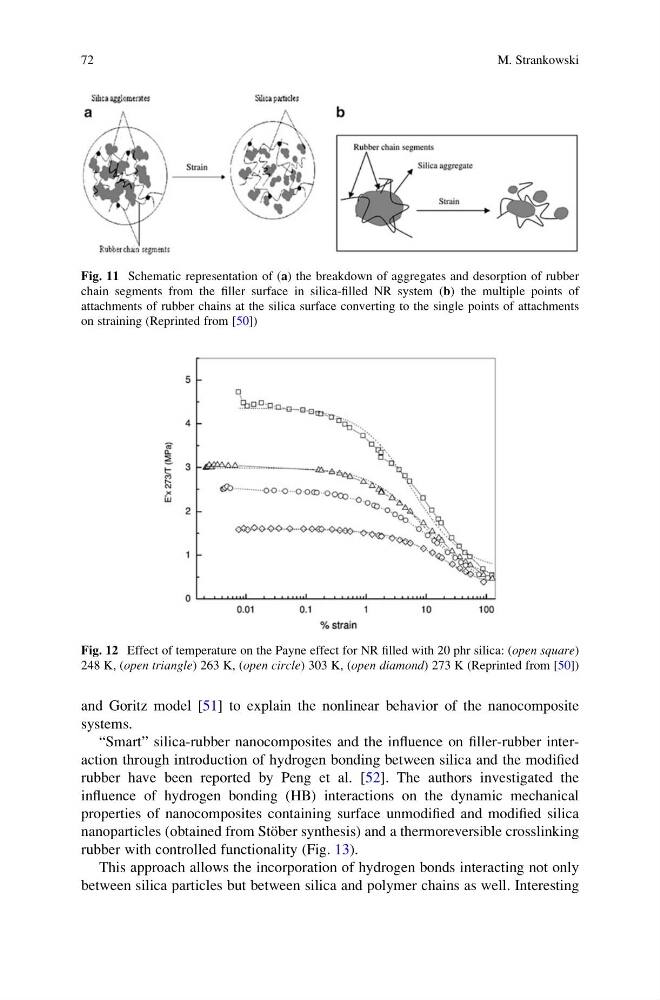
Fig. 11 Schematic representation of (a) the breakdown of aggregates and desorption of rubber
chain segments from the filler surface in silica-filled NR system (b) the multiple points of
attachments of rubber chains at the silica surface converting to the single points of attachments
on straining (Reprinted from [50])
Fig. 12 Effect of temperature on the Payne effect for NR filled with 20 phr silica: (open square)
248 K, (open triangle) 263 K, (open circle) 303 K, (open diamond) 273 K (Reprinted from [50])
72
M. Strankowski
systems.
“Smart” silica-rubber nanocomposites and the influence on filler-rubber interaction through introduction of hydrogen bonding between silica and the modified
rubber have been reported by Peng et al. [52]. The authors investigated the
influence of hydrogen bonding (HB) interactions on the dynamic mechanical
properties of nanocomposites containing surface unmodified and modified silica
nanoparticles (obtained from Sto ¨ber synthesis) and a thermoreversible crosslinking
rubber with controlled functionality (Fig. 13).
This approach allows the incorporation of hydrogen bonds interacting not only
between silica particles but between silica and polymer chains as well. Interesting
Fig. 11 Schematic representation of (a) the breakdown of aggregates and desorption of rubber
chain segments from the filler surface in silica-filled NR system (b) the multiple points of
attachments of rubber chains at the silica surface converting to the single points of attachments
on straining (Reprinted from [50])
Fig. 12 Effect of temperature on the Payne effect for NR filled with 20 phr silica: (open square)
248 K, (open triangle) 263 K, (open circle) 303 K, (open diamond) 273 K (Reprinted from [50])
72
M. Strankowski