

2.3.2 Layered Double Hydroxides
Layered double hydroxides (LDHs) have a layered crystalline structure and contain
several intercalating anionic moieties. Their capability to interchange these
interlayer anions with relatively larger anionic organic moieties makes LDHs
very useful candidates as nanofillers for the synthesis of polymer nanocomposites.
The second characteristic is very significant because pure and unmodified LDHs are
not suitable for the intercalation of large polymer chains or segments of the chain
into their gallery space until the original interlayer distance is enhanced through a
prior organic modification. LDHs are being considered a very promising material
for industrial applications because they combine the traits of classical metal
hydroxide-type fillers, such as magnesium hydroxide, with those of unconventional
layered silicate-type nanofillers, such as montmorillonite. Another major area of
demand in this context is the contribution of LDH materials as potential
non-halogenated, non-toxic flame-retardants for polymer matrices. For many
years, scientists have been exploring the potential of using nanotechnology to
improve the flame retardancy of polymer nanocomposites. The state of fine and
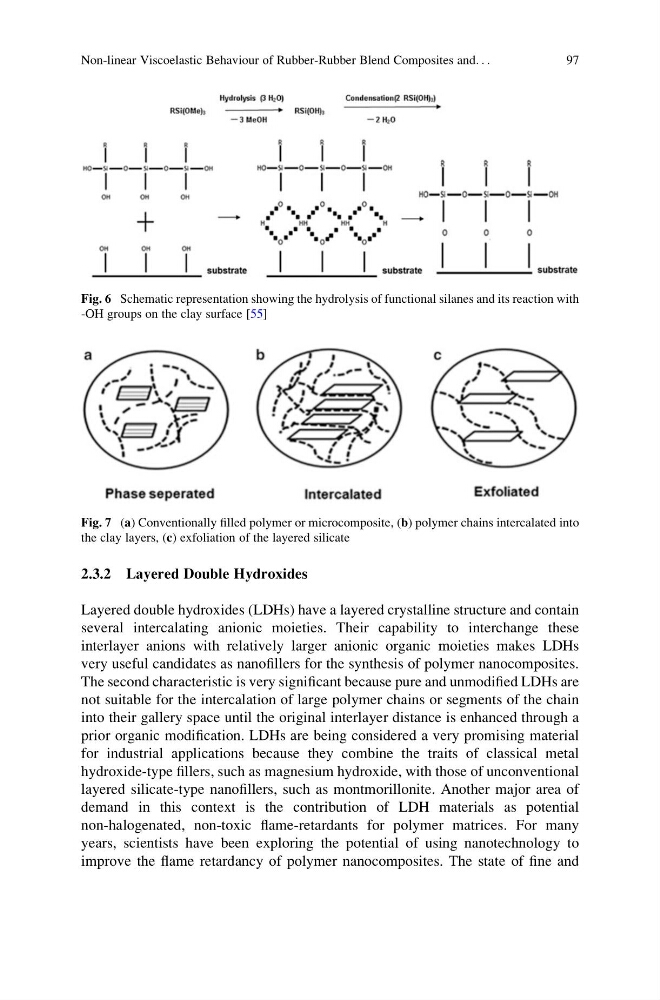
Fig. 6 Schematic representation showing the hydrolysis of functional silanes and its reaction with
-OH groups on the clay surface [55]
Fig. 7 (a) Conventionally filled polymer or microcomposite, (b) polymer chains intercalated into
the clay layers, (c) exfoliation of the layered silicate
Non-linear Viscoelastic Behaviour of Rubber-Rubber Blend Composites and. . .
97
Layered double hydroxides (LDHs) have a layered crystalline structure and contain
several intercalating anionic moieties. Their capability to interchange these
interlayer anions with relatively larger anionic organic moieties makes LDHs
very useful candidates as nanofillers for the synthesis of polymer nanocomposites.
The second characteristic is very significant because pure and unmodified LDHs are
not suitable for the intercalation of large polymer chains or segments of the chain
into their gallery space until the original interlayer distance is enhanced through a
prior organic modification. LDHs are being considered a very promising material
for industrial applications because they combine the traits of classical metal
hydroxide-type fillers, such as magnesium hydroxide, with those of unconventional
layered silicate-type nanofillers, such as montmorillonite. Another major area of
demand in this context is the contribution of LDH materials as potential
non-halogenated, non-toxic flame-retardants for polymer matrices. For many
years, scientists have been exploring the potential of using nanotechnology to
improve the flame retardancy of polymer nanocomposites. The state of fine and
Fig. 6 Schematic representation showing the hydrolysis of functional silanes and its reaction with
-OH groups on the clay surface [55]
Fig. 7 (a) Conventionally filled polymer or microcomposite, (b) polymer chains intercalated into
the clay layers, (c) exfoliation of the layered silicate
Non-linear Viscoelastic Behaviour of Rubber-Rubber Blend Composites and. . .
97