

L
−1 which caused physical alterations, chromosomal modifications and oxidative strain (Bystrzejewska-Piotrowska
et al. 2009; Barbara Rasco 2013).
2.3 Transformation Processes
The reliant on the inbuilt assets and on water properties
dispersed by nanoparticles are subjected to several conversion pursuits. The key routes are physical, biological or else,
chemical alterations that later outline the performance of
nanoparticles in the aqueous system (Stone et al. 2010;
Lowry et al. 2012). Hetero and homo aggregation, deposition, agglomeration, as well as sedimentation, are some of
the physical processes, whereas suspension and redox effects
(oxidation, sulfidation) and photochemical reaction are
chemical processes. The chief instances of the biological
processes are microbial mediated biodegradation and
bio-modification activities (Lead et al. 2018). The kind of
nanoparticles and factors such as the chemistry of water, pH,
the strength of ion and natural organic matter (NOM) make a
difference in transformations. Outcome and behaviour in
water will be affected by the collaboration of distributed
nanoparticles with NOM according to the properties of
surface establishing a diverse natural coating (Biswas and
Sarkar 2019).
The reduction and oxidation processes are outlined by
electron transfer among the chemical moieties in the environment. Reduction and oxidation processes are commenced
by silver and iron (Shah et al. 2015). There is ample oxygen
in the oxidizing natural environment, e.g. aerated soils as
well as natural waters, whereas the reductive ecosystem is
drained of oxygen (Lowry et al. 2012). Sunlight-catalyzed
redox reactions like photooxidation and photoreduction alter
oxidation status of nanoparticles, persistence, ROS, and
coating. For example, it was observed that TiO 2 and carbon
nanotubes (CNTs) are instinctively photoactive and capable
of generating ROS (Chen and Jafvert 2011). Dissolution and
sulfidation processes have significant impacts on the surface
properties, persistence and toxicity of the nanomaterials
(Levard et al. 2011). Adsorption of inorganic and organic
ligands and macromolecules on NPs alter the behaviour and
exterior interface of NPs substantially.
A physical change like aggregation is an unalterable
process that reduces the surface area, the surge in NPs size
altering, in turn, their reactivity, transport, sedimentation and
toxicity. Consequently, reduction in surface area of the NPs
leads to the decrease in toxicity which in turn alters ROS
generation or dissolution (Nichols et al. 2002; Oberdörster
et al. 2006; Sellers et al. 2008; Aitken et al. 2010; Lowry
et al. 2012; Rist and Hartmann 2018). The photocatalytic
reactions in the presence of sunlight resulted in lowering of
the pH of the medium which further resulted in high ionic
strength and presence of divalent ions (Hartmann et al. 2014;
Yin et al. 2015). Porous aggregates can be available as
sediment rather than compact ones that remain suspended in
water due to erosion and disaggregation processes that create
smaller pieces which consumes natural organic matter
(NOM) around them (Chekli et al. 2015). The redox reactions change coating, nanoparticles’ reactivity, toxicity,
surface charging and aggregation state properties which
change these transformations (Lowry et al. 2012). Biotransformation on modified NPs of the bioavailable poly
(ethylene glycol) (PEG) coatings initiates their aggregation
(Kirschling et al. 2011). Due to exclusive change in seawater
and freshwater at high dilutions, toxicity of ENPs in all
aquatic habitats is not consistent (Renzi and Guerranti 2015;
Ju-Nam and Lead 2008).
2.4 Pathway of Exposure in the Aquatic
Environment
Fundamental mechanisms of toxicity for numerous
nanoparticles are studied in vitro at the cellular level to
oxidative stress. Oxidative stress creates reactive oxygen in
species (Oberdorster et al. 2005; Nel et al. 2006). Physical
injury to cell membranes may cause toxicity (Stoimenov
et al. 2002). Route of uptake is by adhesion of nanoparticles
to the cell coat and disconnection of soluble toxic species
(Klaine et al. 2008). The type of organisms, uni- or multicellular level and its trophic level determines the absorption
of nanoparticles and its toxicity in aquatic biota. For
example, the mechanism of crossing the cell membrane (viz.
direct or via endocytosis) in unicellular organisms remains a
significant issue. However, endocytosis has been observed
as the preferred pathway for internalization of nanoparticles
in eukaryotic organisms (Moore 2006; Nowack and Bucheli
2007). In the case of higher organisms, the nanoparticles
might be absorbed by the gill or the external surface
epithelia. In contrast, interaction with the aquatic plants may
include root surface adsorption, cell wall integration, or
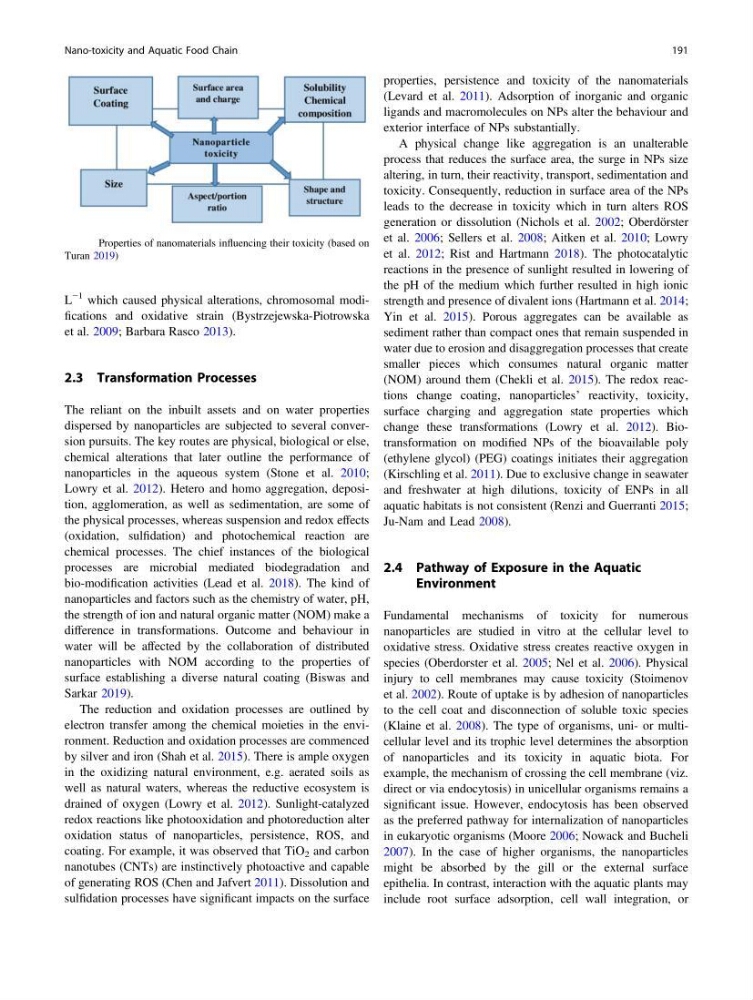
Fig. 2 Properties of nanomaterials influencing their toxicity (based on
Turan 2019)
Nano-toxicity and Aquatic Food Chain
191
−1 which caused physical alterations, chromosomal modifications and oxidative strain (Bystrzejewska-Piotrowska
et al. 2009; Barbara Rasco 2013).
2.3 Transformation Processes
The reliant on the inbuilt assets and on water properties
dispersed by nanoparticles are subjected to several conversion pursuits. The key routes are physical, biological or else,
chemical alterations that later outline the performance of
nanoparticles in the aqueous system (Stone et al. 2010;
Lowry et al. 2012). Hetero and homo aggregation, deposition, agglomeration, as well as sedimentation, are some of
the physical processes, whereas suspension and redox effects
(oxidation, sulfidation) and photochemical reaction are
chemical processes. The chief instances of the biological
processes are microbial mediated biodegradation and
bio-modification activities (Lead et al. 2018). The kind of
nanoparticles and factors such as the chemistry of water, pH,
the strength of ion and natural organic matter (NOM) make a
difference in transformations. Outcome and behaviour in
water will be affected by the collaboration of distributed
nanoparticles with NOM according to the properties of
surface establishing a diverse natural coating (Biswas and
Sarkar 2019).
The reduction and oxidation processes are outlined by
electron transfer among the chemical moieties in the environment. Reduction and oxidation processes are commenced
by silver and iron (Shah et al. 2015). There is ample oxygen
in the oxidizing natural environment, e.g. aerated soils as
well as natural waters, whereas the reductive ecosystem is
drained of oxygen (Lowry et al. 2012). Sunlight-catalyzed
redox reactions like photooxidation and photoreduction alter
oxidation status of nanoparticles, persistence, ROS, and
coating. For example, it was observed that TiO 2 and carbon
nanotubes (CNTs) are instinctively photoactive and capable
of generating ROS (Chen and Jafvert 2011). Dissolution and
sulfidation processes have significant impacts on the surface
properties, persistence and toxicity of the nanomaterials
(Levard et al. 2011). Adsorption of inorganic and organic
ligands and macromolecules on NPs alter the behaviour and
exterior interface of NPs substantially.
A physical change like aggregation is an unalterable
process that reduces the surface area, the surge in NPs size
altering, in turn, their reactivity, transport, sedimentation and
toxicity. Consequently, reduction in surface area of the NPs
leads to the decrease in toxicity which in turn alters ROS
generation or dissolution (Nichols et al. 2002; Oberdörster
et al. 2006; Sellers et al. 2008; Aitken et al. 2010; Lowry
et al. 2012; Rist and Hartmann 2018). The photocatalytic
reactions in the presence of sunlight resulted in lowering of
the pH of the medium which further resulted in high ionic
strength and presence of divalent ions (Hartmann et al. 2014;
Yin et al. 2015). Porous aggregates can be available as
sediment rather than compact ones that remain suspended in
water due to erosion and disaggregation processes that create
smaller pieces which consumes natural organic matter
(NOM) around them (Chekli et al. 2015). The redox reactions change coating, nanoparticles’ reactivity, toxicity,
surface charging and aggregation state properties which
change these transformations (Lowry et al. 2012). Biotransformation on modified NPs of the bioavailable poly
(ethylene glycol) (PEG) coatings initiates their aggregation
(Kirschling et al. 2011). Due to exclusive change in seawater
and freshwater at high dilutions, toxicity of ENPs in all
aquatic habitats is not consistent (Renzi and Guerranti 2015;
Ju-Nam and Lead 2008).
2.4 Pathway of Exposure in the Aquatic
Environment
Fundamental mechanisms of toxicity for numerous
nanoparticles are studied in vitro at the cellular level to
oxidative stress. Oxidative stress creates reactive oxygen in
species (Oberdorster et al. 2005; Nel et al. 2006). Physical
injury to cell membranes may cause toxicity (Stoimenov
et al. 2002). Route of uptake is by adhesion of nanoparticles
to the cell coat and disconnection of soluble toxic species
(Klaine et al. 2008). The type of organisms, uni- or multicellular level and its trophic level determines the absorption
of nanoparticles and its toxicity in aquatic biota. For
example, the mechanism of crossing the cell membrane (viz.
direct or via endocytosis) in unicellular organisms remains a
significant issue. However, endocytosis has been observed
as the preferred pathway for internalization of nanoparticles
in eukaryotic organisms (Moore 2006; Nowack and Bucheli
2007). In the case of higher organisms, the nanoparticles
might be absorbed by the gill or the external surface
epithelia. In contrast, interaction with the aquatic plants may
include root surface adsorption, cell wall integration, or
Fig. 2 Properties of nanomaterials influencing their toxicity (based on
Turan 2019)
Nano-toxicity and Aquatic Food Chain
191