

472
S. Saha et al.
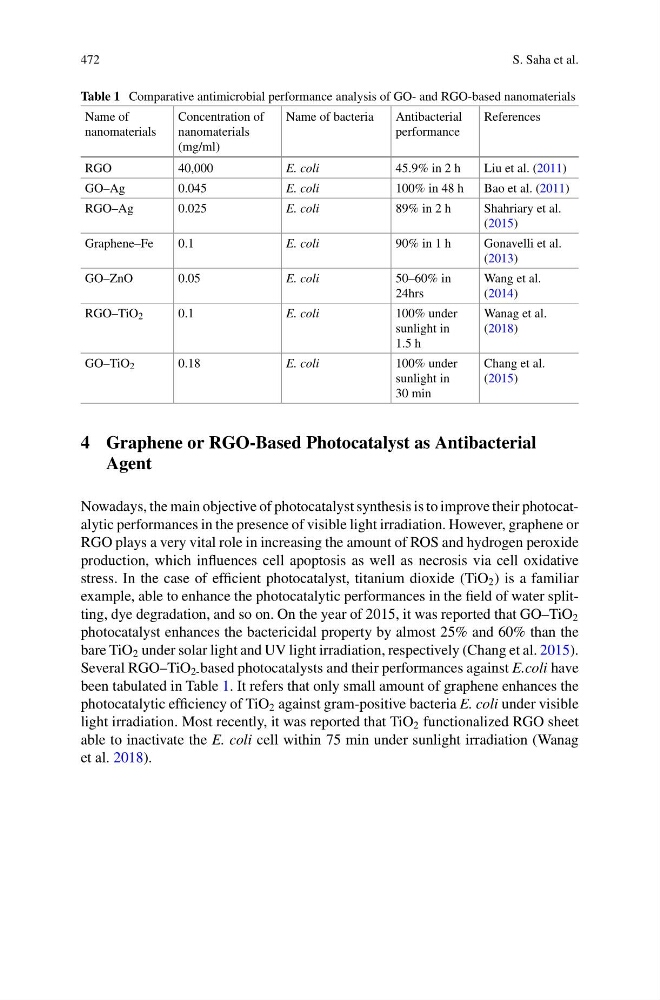
Table 1 Comparative antimicrobial performance analysis of GO- and RGO-based nanomaterials
Name of
nanomaterials
Concentration of
nanomaterials
(mg/ml)
Name of bacteria
Antibacterial
performance
References
RGO
40,000
E. coli
45.9% in 2 h
Liu et al. (2011)
GO–Ag
0.045
E. coli
100% in 48 h
Bao et al. (2011)
RGO–Ag
0.025
E. coli
89% in 2 h
Shahriary et al.
(2015)
Graphene–Fe
0.1
E. coli
90% in 1 h
Gonavelli et al.
(2013)
GO–ZnO
0.05
E. coli
50–60% in
24hrs
Wang et al.
(2014)
RGO–TiO 2
0.1
E. coli
100% under
sunlight in
1.5 h
Wanag et al.
(2018)
GO–TiO 2
0.18
E. coli
100% under
sunlight in
30 min
Chang et al.
(2015)
4 Graphene or RGO-Based Photocatalyst as Antibacterial
Agent
Nowadays, the main objective of photocatalyst synthesis is to improve their photocatalytic performances in the presence of visible light irradiation. However, graphene or
RGO plays a very vital role in increasing the amount of ROS and hydrogen peroxide
production, which influences cell apoptosis as well as necrosis via cell oxidative
stress. In the case of efficient photocatalyst, titanium dioxide (TiO 2 ) is a familiar
example, able to enhance the photocatalytic performances in the field of water splitting, dye degradation, and so on. On the year of 2015, it was reported that GO–TiO 2
photocatalyst enhances the bactericidal property by almost 25% and 60% than the
bare TiO 2 under solar light and UV light irradiation, respectively (Chang et al. 2015).
Several RGO–TiO 2- based photocatalysts and their performances against E.coli have
been tabulated in Table 1. It refers that only small amount of graphene enhances the
photocatalytic efficiency of TiO 2 against gram-positive bacteria E. coli under visible
light irradiation. Most recently, it was reported that TiO 2 functionalized RGO sheet
able to inactivate the E. coli cell within 75 min under sunlight irradiation (Wanag
et al. 2018).
S. Saha et al.
Table 1 Comparative antimicrobial performance analysis of GO- and RGO-based nanomaterials
Name of
nanomaterials
Concentration of
nanomaterials
(mg/ml)
Name of bacteria
Antibacterial
performance
References
RGO
40,000
E. coli
45.9% in 2 h
Liu et al. (2011)
GO–Ag
0.045
E. coli
100% in 48 h
Bao et al. (2011)
RGO–Ag
0.025
E. coli
89% in 2 h
Shahriary et al.
(2015)
Graphene–Fe
0.1
E. coli
90% in 1 h
Gonavelli et al.
(2013)
GO–ZnO
0.05
E. coli
50–60% in
24hrs
Wang et al.
(2014)
RGO–TiO 2
0.1
E. coli
100% under
sunlight in
1.5 h
Wanag et al.
(2018)
GO–TiO 2
0.18
E. coli
100% under
sunlight in
30 min
Chang et al.
(2015)
4 Graphene or RGO-Based Photocatalyst as Antibacterial
Agent
Nowadays, the main objective of photocatalyst synthesis is to improve their photocatalytic performances in the presence of visible light irradiation. However, graphene or
RGO plays a very vital role in increasing the amount of ROS and hydrogen peroxide
production, which influences cell apoptosis as well as necrosis via cell oxidative
stress. In the case of efficient photocatalyst, titanium dioxide (TiO 2 ) is a familiar
example, able to enhance the photocatalytic performances in the field of water splitting, dye degradation, and so on. On the year of 2015, it was reported that GO–TiO 2
photocatalyst enhances the bactericidal property by almost 25% and 60% than the
bare TiO 2 under solar light and UV light irradiation, respectively (Chang et al. 2015).
Several RGO–TiO 2- based photocatalysts and their performances against E.coli have
been tabulated in Table 1. It refers that only small amount of graphene enhances the
photocatalytic efficiency of TiO 2 against gram-positive bacteria E. coli under visible
light irradiation. Most recently, it was reported that TiO 2 functionalized RGO sheet
able to inactivate the E. coli cell within 75 min under sunlight irradiation (Wanag
et al. 2018).