

212
A. Rabiei et al.
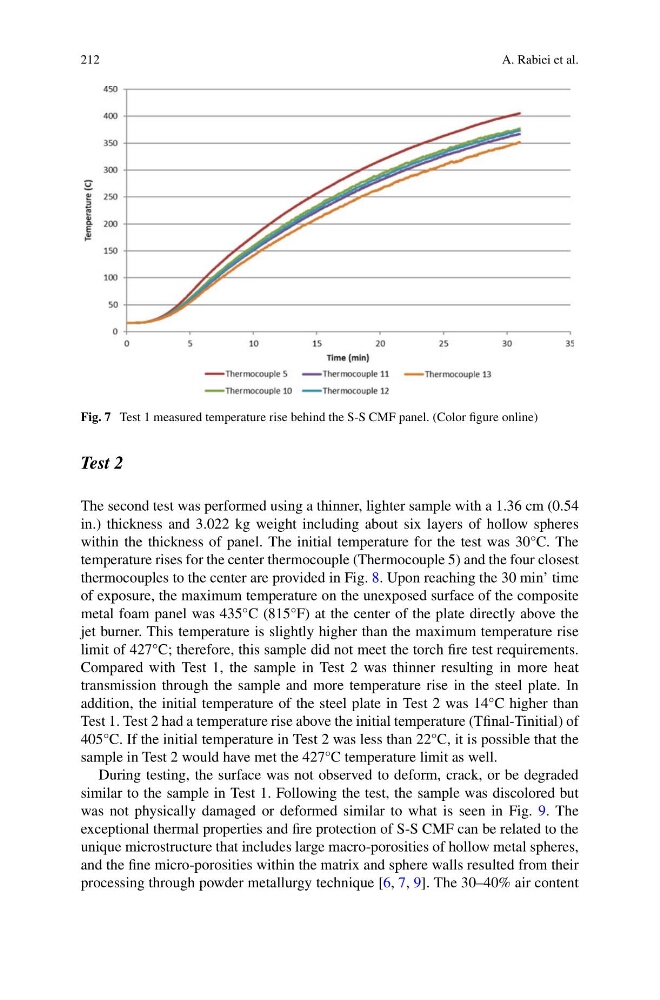
Fig. 7 Test 1 measured temperature rise behind the S-S CMF panel. (Color figure online)
Test 2
The second test was performed using a thinner, lighter sample with a 1.36 cm (0.54
in.) thickness and 3.022 kg weight including about six layers of hollow spheres
within the thickness of panel. The initial temperature for the test was 30°C. The
temperature rises for the center thermocouple (Thermocouple 5) and the four closest
thermocouples to the center are provided in Fig. 8. Upon reaching the 30 min’ time
of exposure, the maximum temperature on the unexposed surface of the composite
metal foam panel was 435°C (815°F) at the center of the plate directly above the
jet burner. This temperature is slightly higher than the maximum temperature rise
limit of 427°C; therefore, this sample did not meet the torch fire test requirements.
Compared with Test 1, the sample in Test 2 was thinner resulting in more heat
transmission through the sample and more temperature rise in the steel plate. In
addition, the initial temperature of the steel plate in Test 2 was 14°C higher than
Test 1. Test 2 had a temperature rise above the initial temperature (Tfinal-Tinitial) of
405°C. If the initial temperature in Test 2 was less than 22°C, it is possible that the
sample in Test 2 would have met the 427°C temperature limit as well.
During testing, the surface was not observed to deform, crack, or be degraded
similar to the sample in Test 1. Following the test, the sample was discolored but
was not physically damaged or deformed similar to what is seen in Fig. 9. The
exceptional thermal properties and fire protection of S-S CMF can be related to the
unique microstructure that includes large macro-porosities of hollow metal spheres,
and the fine micro-porosities within the matrix and sphere walls resulted from their
processing through powder metallurgy technique [6, 7, 9]. The 30–40% air content
A. Rabiei et al.
Fig. 7 Test 1 measured temperature rise behind the S-S CMF panel. (Color figure online)
Test 2
The second test was performed using a thinner, lighter sample with a 1.36 cm (0.54
in.) thickness and 3.022 kg weight including about six layers of hollow spheres
within the thickness of panel. The initial temperature for the test was 30°C. The
temperature rises for the center thermocouple (Thermocouple 5) and the four closest
thermocouples to the center are provided in Fig. 8. Upon reaching the 30 min’ time
of exposure, the maximum temperature on the unexposed surface of the composite
metal foam panel was 435°C (815°F) at the center of the plate directly above the
jet burner. This temperature is slightly higher than the maximum temperature rise
limit of 427°C; therefore, this sample did not meet the torch fire test requirements.
Compared with Test 1, the sample in Test 2 was thinner resulting in more heat
transmission through the sample and more temperature rise in the steel plate. In
addition, the initial temperature of the steel plate in Test 2 was 14°C higher than
Test 1. Test 2 had a temperature rise above the initial temperature (Tfinal-Tinitial) of
405°C. If the initial temperature in Test 2 was less than 22°C, it is possible that the
sample in Test 2 would have met the 427°C temperature limit as well.
During testing, the surface was not observed to deform, crack, or be degraded
similar to the sample in Test 1. Following the test, the sample was discolored but
was not physically damaged or deformed similar to what is seen in Fig. 9. The
exceptional thermal properties and fire protection of S-S CMF can be related to the
unique microstructure that includes large macro-porosities of hollow metal spheres,
and the fine micro-porosities within the matrix and sphere walls resulted from their
processing through powder metallurgy technique [6, 7, 9]. The 30–40% air content