

30
2 Antibacterial Combinations
(a)
(b)
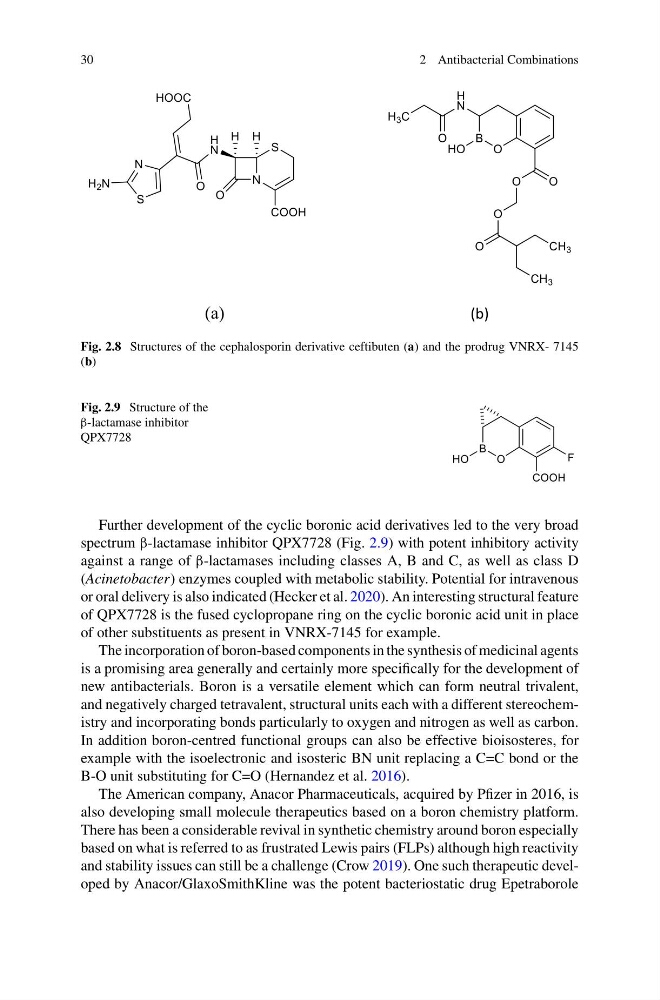
Fig. 2.8 Structures of the cephalosporin derivative ceftibuten (a) and the prodrug VNRX- 7145
(b)
Fig. 2.9 Structure of the
β-lactamase inhibitor
QPX7728
Further development of the cyclic boronic acid derivatives led to the very broad
spectrum β-lactamase inhibitor QPX7728 (Fig. 2.9) with potent inhibitory activity
against a range of β-lactamases including classes A, B and C, as well as class D
(Acinetobacter) enzymes coupled with metabolic stability. Potential for intravenous
or oral delivery is also indicated (Hecker et al. 2020). An interesting structural feature
of QPX7728 is the fused cyclopropane ring on the cyclic boronic acid unit in place
of other substituents as present in VNRX-7145 for example.
The incorporation of boron-based components in the synthesis of medicinal agents
is a promising area generally and certainly more specifically for the development of
new antibacterials. Boron is a versatile element which can form neutral trivalent,
and negatively charged tetravalent, structural units each with a different stereochemistry and incorporating bonds particularly to oxygen and nitrogen as well as carbon.
In addition boron-centred functional groups can also be effective bioisosteres, for
example with the isoelectronic and isosteric BN unit replacing a C=C bond or the
B-O unit substituting for C=O (Hernandez et al. 2016).
The American company, Anacor Pharmaceuticals, acquired by Pfizer in 2016, is
also developing small molecule therapeutics based on a boron chemistry platform.
There has been a considerable revival in synthetic chemistry around boron especially
based on what is referred to as frustrated Lewis pairs (FLPs) although high reactivity
and stability issues can still be a challenge (Crow 2019). One such therapeutic developed by Anacor/GlaxoSmithKline was the potent bacteriostatic drug Epetraborole
2 Antibacterial Combinations
(a)
(b)
Fig. 2.8 Structures of the cephalosporin derivative ceftibuten (a) and the prodrug VNRX- 7145
(b)
Fig. 2.9 Structure of the
β-lactamase inhibitor
QPX7728
Further development of the cyclic boronic acid derivatives led to the very broad
spectrum β-lactamase inhibitor QPX7728 (Fig. 2.9) with potent inhibitory activity
against a range of β-lactamases including classes A, B and C, as well as class D
(Acinetobacter) enzymes coupled with metabolic stability. Potential for intravenous
or oral delivery is also indicated (Hecker et al. 2020). An interesting structural feature
of QPX7728 is the fused cyclopropane ring on the cyclic boronic acid unit in place
of other substituents as present in VNRX-7145 for example.
The incorporation of boron-based components in the synthesis of medicinal agents
is a promising area generally and certainly more specifically for the development of
new antibacterials. Boron is a versatile element which can form neutral trivalent,
and negatively charged tetravalent, structural units each with a different stereochemistry and incorporating bonds particularly to oxygen and nitrogen as well as carbon.
In addition boron-centred functional groups can also be effective bioisosteres, for
example with the isoelectronic and isosteric BN unit replacing a C=C bond or the
B-O unit substituting for C=O (Hernandez et al. 2016).
The American company, Anacor Pharmaceuticals, acquired by Pfizer in 2016, is
also developing small molecule therapeutics based on a boron chemistry platform.
There has been a considerable revival in synthetic chemistry around boron especially
based on what is referred to as frustrated Lewis pairs (FLPs) although high reactivity
and stability issues can still be a challenge (Crow 2019). One such therapeutic developed by Anacor/GlaxoSmithKline was the potent bacteriostatic drug Epetraborole