

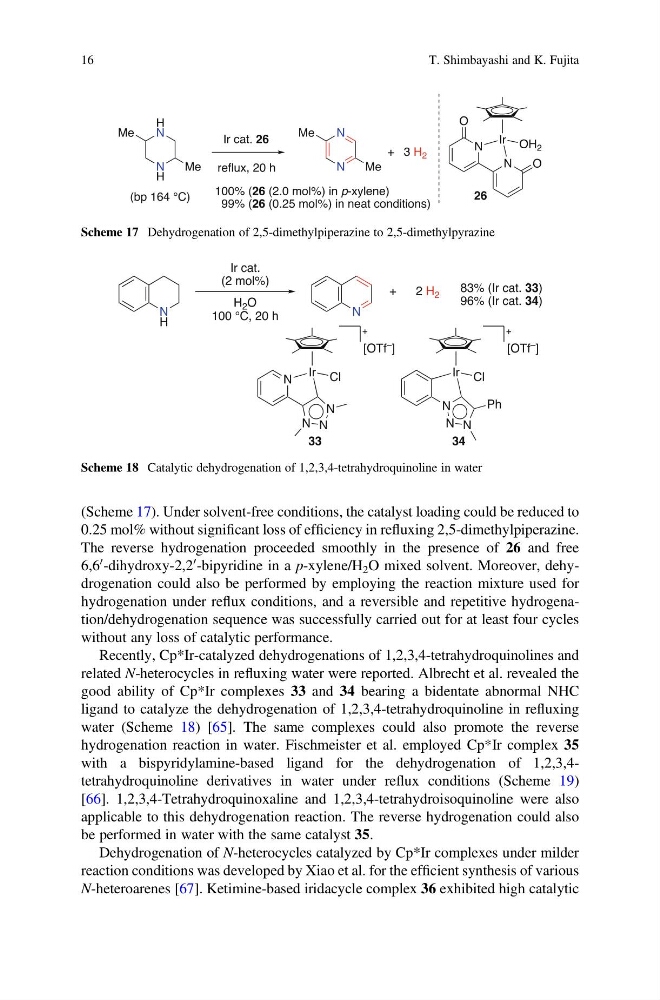
(Scheme 17). Under solvent-free conditions, the catalyst loading could be reduced to
0.25 mol% without significant loss of efficiency in refluxing 2,5-dimethylpiperazine.
The reverse hydrogenation proceeded smoothly in the presence of 26 and free
6,6
0 -dihydroxy-2,2
0 -bipyridine in a p-xylene/H 2 O mixed solvent. Moreover, dehydrogenation could also be performed by employing the reaction mixture used for
hydrogenation under reflux conditions, and a reversible and repetitive hydrogenation/dehydrogenation sequence was successfully carried out for at least four cycles
without any loss of catalytic performance.
Recently, Cp*Ir-catalyzed dehydrogenations of 1,2,3,4-tetrahydroquinolines and
related N-heterocycles in refluxing water were reported. Albrecht et al. revealed the
good ability of Cp*Ir complexes 33 and 34 bearing a bidentate abnormal NHC
ligand to catalyze the dehydrogenation of 1,2,3,4-tetrahydroquinoline in refluxing
water (Scheme 18) [65]. The same complexes could also promote the reverse
hydrogenation reaction in water. Fischmeister et al. employed Cp*Ir complex 35
with a bispyridylamine-based ligand for the dehydrogenation of 1,2,3,4tetrahydroquinoline derivatives in water under reflux conditions (Scheme 19)
[66]. 1,2,3,4-Tetrahydroquinoxaline and 1,2,3,4-tetrahydroisoquinoline were also
applicable to this dehydrogenation reaction. The reverse hydrogenation could also
be performed in water with the same catalyst 35.
Dehydrogenation of N-heterocycles catalyzed by Cp*Ir complexes under milder
reaction conditions was developed by Xiao et al. for the efficient synthesis of various
N-heteroarenes [67]. Ketimine-based iridacycle complex 36 exhibited high catalytic
Scheme 17 Dehydrogenation of 2,5-dimethylpiperazine to 2,5-dimethylpyrazine
Scheme 18 Catalytic dehydrogenation of 1,2,3,4-tetrahydroquinoline in water
16
T. Shimbayashi and K. Fujita
0.25 mol% without significant loss of efficiency in refluxing 2,5-dimethylpiperazine.
The reverse hydrogenation proceeded smoothly in the presence of 26 and free
6,6
0 -dihydroxy-2,2
0 -bipyridine in a p-xylene/H 2 O mixed solvent. Moreover, dehydrogenation could also be performed by employing the reaction mixture used for
hydrogenation under reflux conditions, and a reversible and repetitive hydrogenation/dehydrogenation sequence was successfully carried out for at least four cycles
without any loss of catalytic performance.
Recently, Cp*Ir-catalyzed dehydrogenations of 1,2,3,4-tetrahydroquinolines and
related N-heterocycles in refluxing water were reported. Albrecht et al. revealed the
good ability of Cp*Ir complexes 33 and 34 bearing a bidentate abnormal NHC
ligand to catalyze the dehydrogenation of 1,2,3,4-tetrahydroquinoline in refluxing
water (Scheme 18) [65]. The same complexes could also promote the reverse
hydrogenation reaction in water. Fischmeister et al. employed Cp*Ir complex 35
with a bispyridylamine-based ligand for the dehydrogenation of 1,2,3,4tetrahydroquinoline derivatives in water under reflux conditions (Scheme 19)
[66]. 1,2,3,4-Tetrahydroquinoxaline and 1,2,3,4-tetrahydroisoquinoline were also
applicable to this dehydrogenation reaction. The reverse hydrogenation could also
be performed in water with the same catalyst 35.
Dehydrogenation of N-heterocycles catalyzed by Cp*Ir complexes under milder
reaction conditions was developed by Xiao et al. for the efficient synthesis of various
N-heteroarenes [67]. Ketimine-based iridacycle complex 36 exhibited high catalytic
Scheme 17 Dehydrogenation of 2,5-dimethylpiperazine to 2,5-dimethylpyrazine
Scheme 18 Catalytic dehydrogenation of 1,2,3,4-tetrahydroquinoline in water
16
T. Shimbayashi and K. Fujita