

60
2 Energy Sector Progression in India
Target
Achievement
Biogas Plants
7.5 lakh
9.60 lakh
Improved Chulhas
100 lakh
127.00 lakh
Solar cookers
3.0 lakh
1.98 lakh
Wind Power Generation
100 MW
860 MW
Biomass Power and Cogeneration
300 MW
115 MW
Small Hydro
200 MW
93 MW
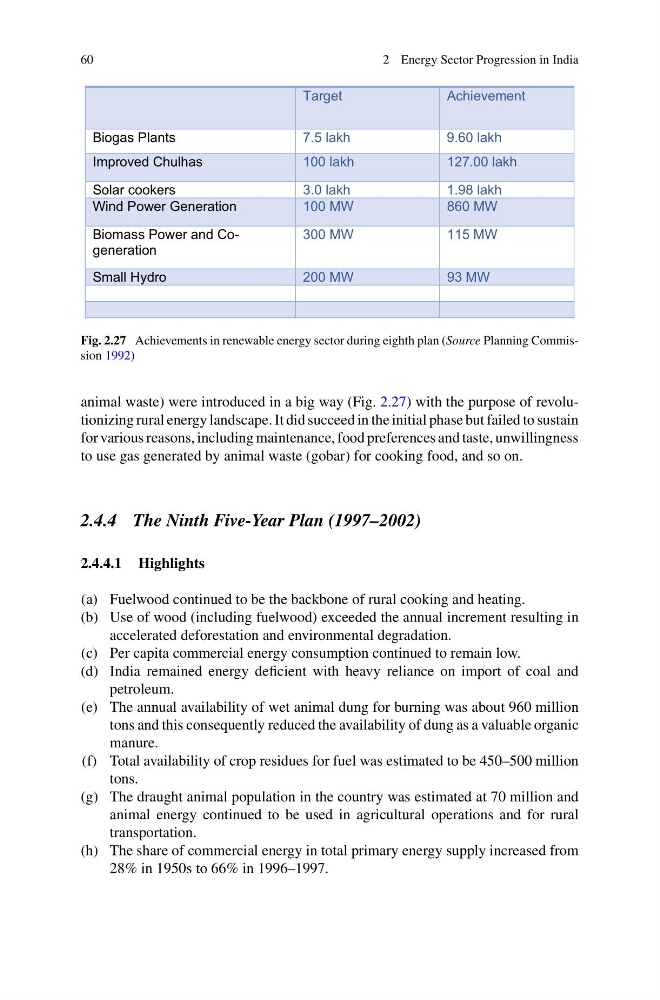
Fig. 2.27 Achievements in renewable energy sector during eighth plan (Source Planning Commission 1992)
animal waste) were introduced in a big way (Fig. 2.27) with the purpose of revolutionizing rural energy landscape. It did succeed in the initial phase but failed to sustain
for various reasons, including maintenance, food preferences and taste, unwillingness
to use gas generated by animal waste (gobar) for cooking food, and so on.
2.4.4 The Ninth Five-Year Plan (1997–2002)
2.4.4.1 Highlights
(a) Fuelwood continued to be the backbone of rural cooking and heating.
(b) Use of wood (including fuelwood) exceeded the annual increment resulting in
accelerated deforestation and environmental degradation.
(c) Per capita commercial energy consumption continued to remain low.
(d) India remained energy deficient with heavy reliance on import of coal and
petroleum.
(e) The annual availability of wet animal dung for burning was about 960 million
tons and this consequently reduced the availability of dung as a valuable organic
manure.
(f) Total availability of crop residues for fuel was estimated to be 450–500 million
tons.
(g) The draught animal population in the country was estimated at 70 million and
animal energy continued to be used in agricultural operations and for rural
transportation.
(h) The share of commercial energy in total primary energy supply increased from
28% in 1950s to 66% in 1996–1997.
2 Energy Sector Progression in India
Target
Achievement
Biogas Plants
7.5 lakh
9.60 lakh
Improved Chulhas
100 lakh
127.00 lakh
Solar cookers
3.0 lakh
1.98 lakh
Wind Power Generation
100 MW
860 MW
Biomass Power and Cogeneration
300 MW
115 MW
Small Hydro
200 MW
93 MW
Fig. 2.27 Achievements in renewable energy sector during eighth plan (Source Planning Commission 1992)
animal waste) were introduced in a big way (Fig. 2.27) with the purpose of revolutionizing rural energy landscape. It did succeed in the initial phase but failed to sustain
for various reasons, including maintenance, food preferences and taste, unwillingness
to use gas generated by animal waste (gobar) for cooking food, and so on.
2.4.4 The Ninth Five-Year Plan (1997–2002)
2.4.4.1 Highlights
(a) Fuelwood continued to be the backbone of rural cooking and heating.
(b) Use of wood (including fuelwood) exceeded the annual increment resulting in
accelerated deforestation and environmental degradation.
(c) Per capita commercial energy consumption continued to remain low.
(d) India remained energy deficient with heavy reliance on import of coal and
petroleum.
(e) The annual availability of wet animal dung for burning was about 960 million
tons and this consequently reduced the availability of dung as a valuable organic
manure.
(f) Total availability of crop residues for fuel was estimated to be 450–500 million
tons.
(g) The draught animal population in the country was estimated at 70 million and
animal energy continued to be used in agricultural operations and for rural
transportation.
(h) The share of commercial energy in total primary energy supply increased from
28% in 1950s to 66% in 1996–1997.