

119
Trans-Caspian Pipeline
In April 2015, Maroš Šefčovič, the European Commission’s Vice President in
Charge of Energy Union, visited Turkmenistan to discuss the Trans-Caspian Pipeline
and emphasize greater determination on the part of European Union to see the project realized in the hope that Turkmen gas could reach the EU by 2019. In order to
prevent the construction of the Trans-Caspian Pipeline, Russia decided to expand
the existing infrastructure of its Northern Stream. The presidents of Kazakhstan,
Russia, and Turkmenistan signed an agreement in May 2007, expanding the current
Central Asian system accordingly (Kazantsev 2008:1085).
Plans for the line emerged in 1996 with the enthusiastic support of the United
States in allowing Central Asian oil from the pipeline, which would begin in
Kazakhstan, to transit resources from Uzbekistan, Turkmenistan, and Azerbaijan
through to Georgia, Turkey, Bulgaria, and the rest of Europe (Kazantsev 2008:1085).
At the fore of the project lay plans for an underwater pipeline, which was fully
costed and looked into. However, the EU sought to reap greater amounts of gas than
could be expected from a costly endeavor, leading to a number of meetings between
Turkmenistan, Azerbaijan, Turkey, and EU representatives which eventually lead to
the discussion of project ideas such as AGRI and TANAP. However, these are still
in discussion, and the Caspian Sea’s legal status is a major obstacle to the construction of the Trans-Caspian Pipeline (Cobanli 2014:68).
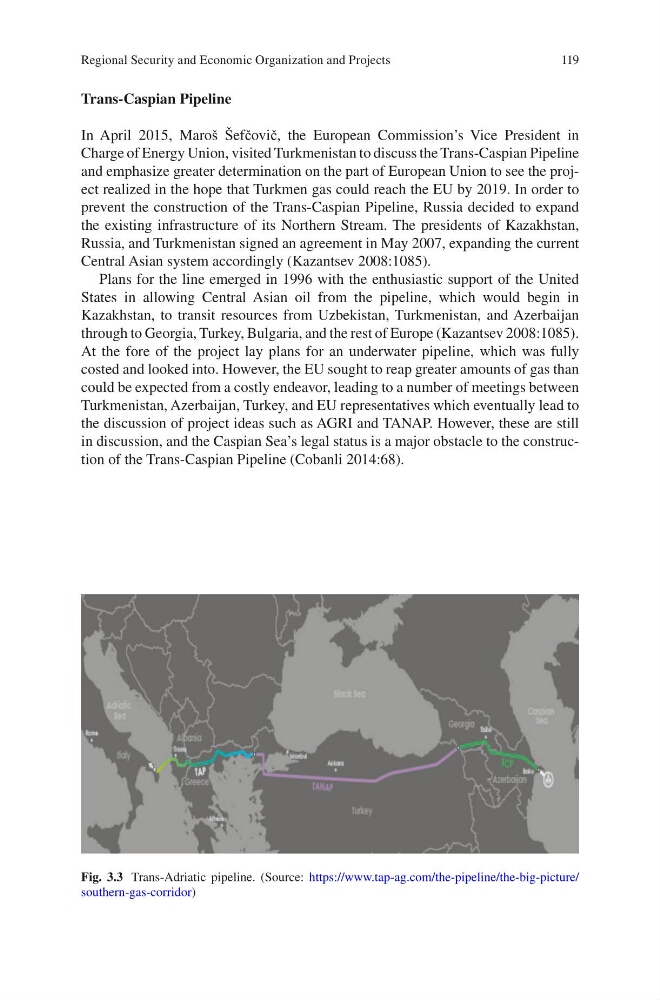
Fig. 3.3 Trans-Adriatic pipeline. (Source: https://www.tap- ag.com/the- pipeline/the- big- picture/
southern- gas- corridor)
Regional Security and Economic Organization and Projects
Trans-Caspian Pipeline
In April 2015, Maroš Šefčovič, the European Commission’s Vice President in
Charge of Energy Union, visited Turkmenistan to discuss the Trans-Caspian Pipeline
and emphasize greater determination on the part of European Union to see the project realized in the hope that Turkmen gas could reach the EU by 2019. In order to
prevent the construction of the Trans-Caspian Pipeline, Russia decided to expand
the existing infrastructure of its Northern Stream. The presidents of Kazakhstan,
Russia, and Turkmenistan signed an agreement in May 2007, expanding the current
Central Asian system accordingly (Kazantsev 2008:1085).
Plans for the line emerged in 1996 with the enthusiastic support of the United
States in allowing Central Asian oil from the pipeline, which would begin in
Kazakhstan, to transit resources from Uzbekistan, Turkmenistan, and Azerbaijan
through to Georgia, Turkey, Bulgaria, and the rest of Europe (Kazantsev 2008:1085).
At the fore of the project lay plans for an underwater pipeline, which was fully
costed and looked into. However, the EU sought to reap greater amounts of gas than
could be expected from a costly endeavor, leading to a number of meetings between
Turkmenistan, Azerbaijan, Turkey, and EU representatives which eventually lead to
the discussion of project ideas such as AGRI and TANAP. However, these are still
in discussion, and the Caspian Sea’s legal status is a major obstacle to the construction of the Trans-Caspian Pipeline (Cobanli 2014:68).
Fig. 3.3 Trans-Adriatic pipeline. (Source: https://www.tap- ag.com/the- pipeline/the- big- picture/
southern- gas- corridor)
Regional Security and Economic Organization and Projects