

The D. vulgaris contains also several interesting FDHs. One SeCys–Mo–FDH is
able to catalyse the CO 2 reduction at a rate of % 3.4 s
−1 (reported as 1Umg
−1 ) [129,
131, 268]. However, its extremely low K m value for formate (K m
HCOO− of 8 lM) and
higher rate of formate oxidation (k cat
HCOO−
% 260 s
−1 ) makes this enzyme a very
interesting biocatalyst to oxidise formate instead, namely to be coupled to dihydrogen production. The proof of concept that D. vulgaris is able to produce
dihydrogen at high volumetric and specific rates (0.125 dm
3 H 2 /dm
3 h
1 and 2.5 dm
3
H 2 /g dcw h) was obtained recently, with the demonstration that whole cells are able to
grow by catalysing the oxidation of formate to hydrogencarbonate and dihydrogen,
in the absence of sulfate or a syntrophic partner [268, 269].
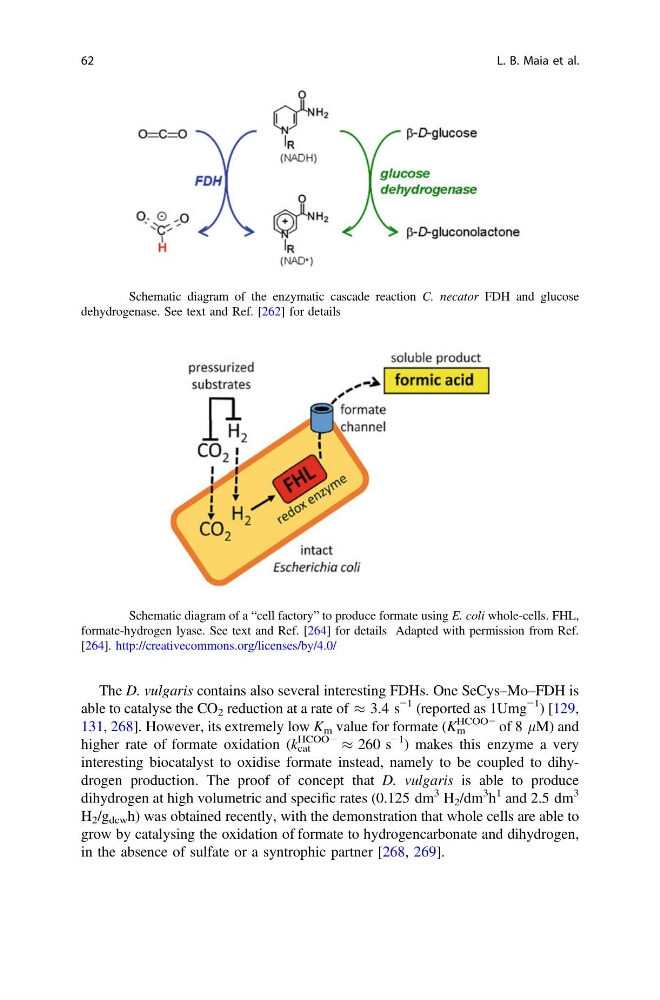
Fig. 16 Schematic diagram of a “cell factory” to produce formate using E. coli whole-cells. FHL,
formate-hydrogen lyase. See text and Ref. [264] for details Adapted with permission from Ref.
[264]. http://creativecommons.org/licenses/by/4.0/
Fig. 15 Schematic diagram of the enzymatic cascade reaction C. necator FDH and glucose
dehydrogenase. See text and Ref. [262] for details
62
L. B. Maia et al.
able to catalyse the CO 2 reduction at a rate of % 3.4 s
−1 (reported as 1Umg
−1 ) [129,
131, 268]. However, its extremely low K m value for formate (K m
HCOO− of 8 lM) and
higher rate of formate oxidation (k cat
HCOO−
% 260 s
−1 ) makes this enzyme a very
interesting biocatalyst to oxidise formate instead, namely to be coupled to dihydrogen production. The proof of concept that D. vulgaris is able to produce
dihydrogen at high volumetric and specific rates (0.125 dm
3 H 2 /dm
3 h
1 and 2.5 dm
3
H 2 /g dcw h) was obtained recently, with the demonstration that whole cells are able to
grow by catalysing the oxidation of formate to hydrogencarbonate and dihydrogen,
in the absence of sulfate or a syntrophic partner [268, 269].
Fig. 16 Schematic diagram of a “cell factory” to produce formate using E. coli whole-cells. FHL,
formate-hydrogen lyase. See text and Ref. [264] for details Adapted with permission from Ref.
[264]. http://creativecommons.org/licenses/by/4.0/
Fig. 15 Schematic diagram of the enzymatic cascade reaction C. necator FDH and glucose
dehydrogenase. See text and Ref. [262] for details
62
L. B. Maia et al.