

In vivo artificial metathases can also find potential agronomic and therapeutic
applications. A fluorescent 7-diethylaminocoumarin (DEAC) and a N-[4(4-dimethylamino)phenylazo]benzoate (DABCYL) based quencher were grafted to
an Hoveyda-Grubbs ruthenium complex and incorporated in the hydrophobic
pocket of HSA to afford an ArM-based ethylene biosensor [112]. Ethylene competitively displaced the DABCYL entity from coordination to ruthenium thus
restoring the fluorescence of DEAC (Fig. 24, left). The reaction occurred in fruit
flesh as demonstrated by the imaging of a thin slice of kiwifruit incubated with the
artificial enzyme. In this case, although the macroscopic analysis does not
demonstrate the activity within living cells, it clearly shows that the artificial
metalloenzyme is active within the tissue of a living organism and could be used to
quantify ethylene which is directly linked to ripening of fruits (Fig. 24, right).
In a similar strategy, a fluorescent Hoveyda-Grubbs ruthenium complex was
incorporated in the hydrophobic pocket of HSA functionalized with N-glycan
targeting moieties for selective accumulation in cancer cells. The resulting artificial
methatase was then used to catalyze the in vivo activation of cytotoxic umbelliprenin by ring-closing metathesis. Results indicated that the enzyme accumulated
in different cancer cell lines (SW620, HeLa, A549) leading to cell death [113].
3.2.2 Polymerization of Phenylacetylene
As described earlier, rhodium-based ArMs were developed for the catalysis of the
polymerization of PA. Grimm et al. have transposed this reaction into whole-cell
catalytic systems [114]. The authors constructed a variant of NB fused with an
autotransporter of esterase (EstA). Expression in E. Coli resulted in displaying NB
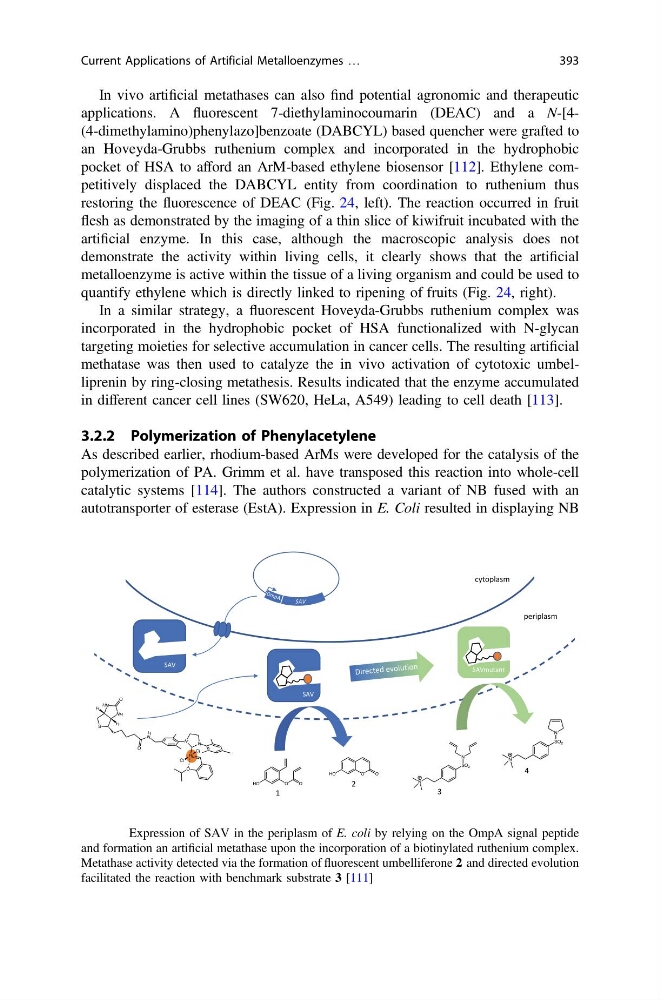
Fig. 23 Expression of SAV in the periplasm of E. coli by relying on the OmpA signal peptide
and formation an artificial metathase upon the incorporation of a biotinylated ruthenium complex.
Metathase activity detected via the formation of fluorescent umbelliferone 2 and directed evolution
facilitated the reaction with benchmark substrate 3 [111]
Current Applications of Artificial Metalloenzymes …
393
applications. A fluorescent 7-diethylaminocoumarin (DEAC) and a N-[4(4-dimethylamino)phenylazo]benzoate (DABCYL) based quencher were grafted to
an Hoveyda-Grubbs ruthenium complex and incorporated in the hydrophobic
pocket of HSA to afford an ArM-based ethylene biosensor [112]. Ethylene competitively displaced the DABCYL entity from coordination to ruthenium thus
restoring the fluorescence of DEAC (Fig. 24, left). The reaction occurred in fruit
flesh as demonstrated by the imaging of a thin slice of kiwifruit incubated with the
artificial enzyme. In this case, although the macroscopic analysis does not
demonstrate the activity within living cells, it clearly shows that the artificial
metalloenzyme is active within the tissue of a living organism and could be used to
quantify ethylene which is directly linked to ripening of fruits (Fig. 24, right).
In a similar strategy, a fluorescent Hoveyda-Grubbs ruthenium complex was
incorporated in the hydrophobic pocket of HSA functionalized with N-glycan
targeting moieties for selective accumulation in cancer cells. The resulting artificial
methatase was then used to catalyze the in vivo activation of cytotoxic umbelliprenin by ring-closing metathesis. Results indicated that the enzyme accumulated
in different cancer cell lines (SW620, HeLa, A549) leading to cell death [113].
3.2.2 Polymerization of Phenylacetylene
As described earlier, rhodium-based ArMs were developed for the catalysis of the
polymerization of PA. Grimm et al. have transposed this reaction into whole-cell
catalytic systems [114]. The authors constructed a variant of NB fused with an
autotransporter of esterase (EstA). Expression in E. Coli resulted in displaying NB
Fig. 23 Expression of SAV in the periplasm of E. coli by relying on the OmpA signal peptide
and formation an artificial metathase upon the incorporation of a biotinylated ruthenium complex.
Metathase activity detected via the formation of fluorescent umbelliferone 2 and directed evolution
facilitated the reaction with benchmark substrate 3 [111]
Current Applications of Artificial Metalloenzymes …
393