

cores via quaternization of the pyridine rings. Dispersion of the core-crosslinked
nanospheres was achieved by dissolution of the PS matrix in a solvent such as
THF. TEM observations of the nanospheres obtained from these solutions clearly
confirmed the existence of stabilized micellar aggregates. These early studies
clearly demonstrated the feasibility of structural fixation in bulk phase-separated
block copolymers.
More recently, Liu and coworkers have carried out extensive studies, wherein
they utilize the photodimerization of the cinnamoyl units contained within one of
the blocks in a variety of diblock copolymers to generate nanostructures [2] (Figure
15.6). Using a diblock copolymer, polystyrene-block-poly(2-cinnamoylethyl methacrylate), abbreviated as PS-b-PCEMA (labeled S750-C107), in which the PS block
has 750 repeat units and the PCEMA block 107 repeat units, films were cast from
a toluene solution. The films, when thermally annealed over extended periods
form completely equilibrium phase-separated morphologies. The volume fraction
of the PS block in this case being significantly higher than that of PCEMA, the
equilibrium morphology consists of cylinders of PCEMA embedded in a PS matrix
(Figure 15.7a). Photo-crosslinking of the cinnamoyl units in the PCEMA cylinders
and subsequent dissolution of the PS matrix, using a solvent such as THF, led to
the generation of nanofibers of @50 nm diameter and about 20 mm length [36]. A
TEM image (Figure 15.7b) of such nanofibers confirms the existence of very long
fibers that are, in effect, crosslinked nanosize molecular objects. The term molecular
object is used here to signify that the crosslinking process has arrested the conformational freedom, which is an essential feature of macromolecular species. It is
Selective polymerization
of the phase within the
spherical domains
Dissolution of
the matrix
Nanospheres
Selective polymerization
of the phase within the
cylindrical domains
Dissolution of
the matrix
Nanofibers
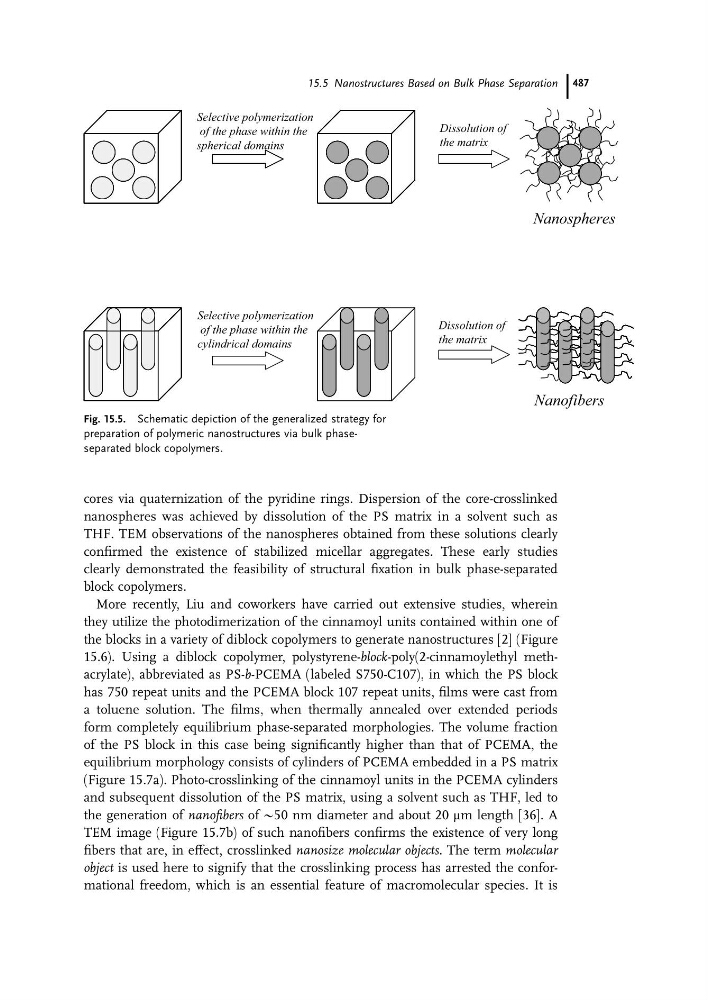
Fig. 15.5. Schematic depiction of the generalized strategy for
preparation of polymeric nanostructures via bulk phaseseparated block copolymers.
15.5 Nanostructures Based on Bulk Phase Separation 487
nanospheres was achieved by dissolution of the PS matrix in a solvent such as
THF. TEM observations of the nanospheres obtained from these solutions clearly
confirmed the existence of stabilized micellar aggregates. These early studies
clearly demonstrated the feasibility of structural fixation in bulk phase-separated
block copolymers.
More recently, Liu and coworkers have carried out extensive studies, wherein
they utilize the photodimerization of the cinnamoyl units contained within one of
the blocks in a variety of diblock copolymers to generate nanostructures [2] (Figure
15.6). Using a diblock copolymer, polystyrene-block-poly(2-cinnamoylethyl methacrylate), abbreviated as PS-b-PCEMA (labeled S750-C107), in which the PS block
has 750 repeat units and the PCEMA block 107 repeat units, films were cast from
a toluene solution. The films, when thermally annealed over extended periods
form completely equilibrium phase-separated morphologies. The volume fraction
of the PS block in this case being significantly higher than that of PCEMA, the
equilibrium morphology consists of cylinders of PCEMA embedded in a PS matrix
(Figure 15.7a). Photo-crosslinking of the cinnamoyl units in the PCEMA cylinders
and subsequent dissolution of the PS matrix, using a solvent such as THF, led to
the generation of nanofibers of @50 nm diameter and about 20 mm length [36]. A
TEM image (Figure 15.7b) of such nanofibers confirms the existence of very long
fibers that are, in effect, crosslinked nanosize molecular objects. The term molecular
object is used here to signify that the crosslinking process has arrested the conformational freedom, which is an essential feature of macromolecular species. It is
Selective polymerization
of the phase within the
spherical domains
Dissolution of
the matrix
Nanospheres
Selective polymerization
of the phase within the
cylindrical domains
Dissolution of
the matrix
Nanofibers
Fig. 15.5. Schematic depiction of the generalized strategy for
preparation of polymeric nanostructures via bulk phaseseparated block copolymers.
15.5 Nanostructures Based on Bulk Phase Separation 487