

due to its hydrodynamic radius, resulting in a thermodynamically
instable system. Due to the association of the nanoplexes with one
another and to the stationary phase, the surface between PEG-rich
and PEG-deficient zones as well as the systems’ free energy is
reduced. Under these conditions, a retention of excluded nanoplexes is possible, whereas smaller process contaminants, such as
DNA and proteins, can be removed. The reduction of the PEG
concentration in the mobile phase releases the associated nanoplexes and allows an elution. The whole method is based on molecular crowding mechanisms, which have already been described in
the last century [45–48]. Later on, the principle was used in many
applications, for example for the precipitation of proteins [49–51],
viruses [52], and extracellular vesicles [53], only to name a few.
During SXC, precipitation is an unwanted effect, thus, in general,
lower polymer concentrations are used. The application of the
method has already been described for large proteins and bacteriophages using cryogel OH-monoliths and starch-coated magnetic
nanoparticles [44, 54–56]. The method’s specificity is mainly
dependent on the size of the target molecule, making it a convenient alternative to purify nanoplexes, such as virus particles and
extracellular vesicles. The applicability for viruses has already been
shown for Influenza A virus particles employing regenerated cellulose membranes with recoveries above 99% [57], and for baculovirus purifications with an average yield of 91% [58].
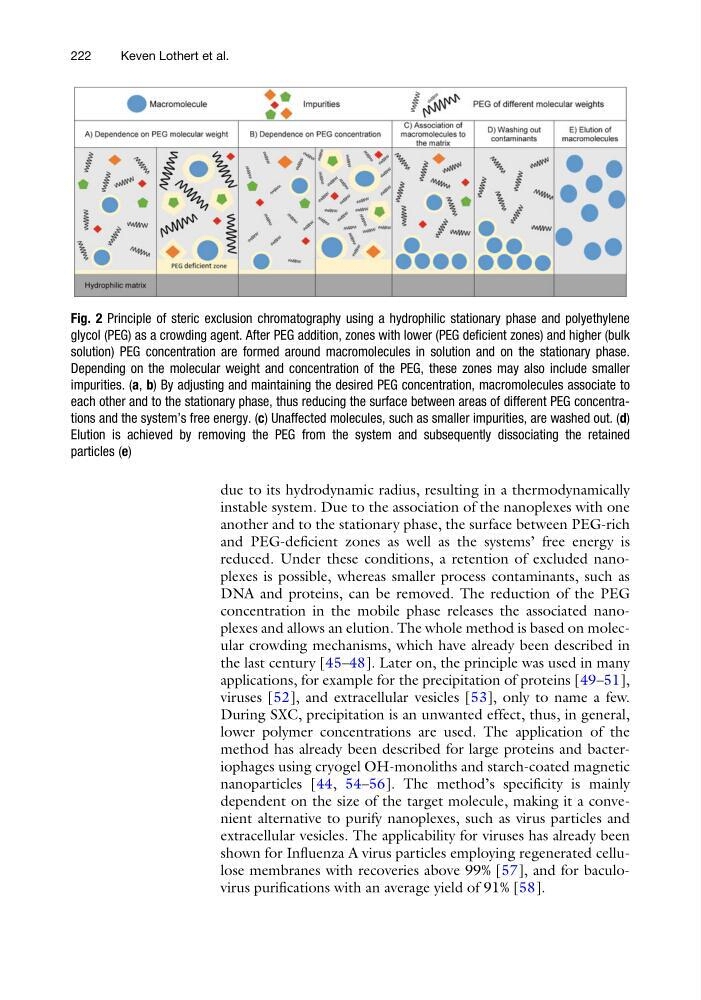
Fig. 2 Principle of steric exclusion chromatography using a hydrophilic stationary phase and polyethylene
glycol (PEG) as a crowding agent. After PEG addition, zones with lower (PEG deficient zones) and higher (bulk
solution) PEG concentration are formed around macromolecules in solution and on the stationary phase.
Depending on the molecular weight and concentration of the PEG, these zones may also include smaller
impurities. (a, b) By adjusting and maintaining the desired PEG concentration, macromolecules associate to
each other and to the stationary phase, thus reducing the surface between areas of different PEG concentrations and the system’s free energy. (c) Unaffected molecules, such as smaller impurities, are washed out. (d)
Elution is achieved by removing the PEG from the system and subsequently dissociating the retained
particles (e)
222
Keven Lothert et al.
instable system. Due to the association of the nanoplexes with one
another and to the stationary phase, the surface between PEG-rich
and PEG-deficient zones as well as the systems’ free energy is
reduced. Under these conditions, a retention of excluded nanoplexes is possible, whereas smaller process contaminants, such as
DNA and proteins, can be removed. The reduction of the PEG
concentration in the mobile phase releases the associated nanoplexes and allows an elution. The whole method is based on molecular crowding mechanisms, which have already been described in
the last century [45–48]. Later on, the principle was used in many
applications, for example for the precipitation of proteins [49–51],
viruses [52], and extracellular vesicles [53], only to name a few.
During SXC, precipitation is an unwanted effect, thus, in general,
lower polymer concentrations are used. The application of the
method has already been described for large proteins and bacteriophages using cryogel OH-monoliths and starch-coated magnetic
nanoparticles [44, 54–56]. The method’s specificity is mainly
dependent on the size of the target molecule, making it a convenient alternative to purify nanoplexes, such as virus particles and
extracellular vesicles. The applicability for viruses has already been
shown for Influenza A virus particles employing regenerated cellulose membranes with recoveries above 99% [57], and for baculovirus purifications with an average yield of 91% [58].
Fig. 2 Principle of steric exclusion chromatography using a hydrophilic stationary phase and polyethylene
glycol (PEG) as a crowding agent. After PEG addition, zones with lower (PEG deficient zones) and higher (bulk
solution) PEG concentration are formed around macromolecules in solution and on the stationary phase.
Depending on the molecular weight and concentration of the PEG, these zones may also include smaller
impurities. (a, b) By adjusting and maintaining the desired PEG concentration, macromolecules associate to
each other and to the stationary phase, thus reducing the surface between areas of different PEG concentrations and the system’s free energy. (c) Unaffected molecules, such as smaller impurities, are washed out. (d)
Elution is achieved by removing the PEG from the system and subsequently dissociating the retained
particles (e)
222
Keven Lothert et al.