

4.3 Principles of Laser Diodes
195
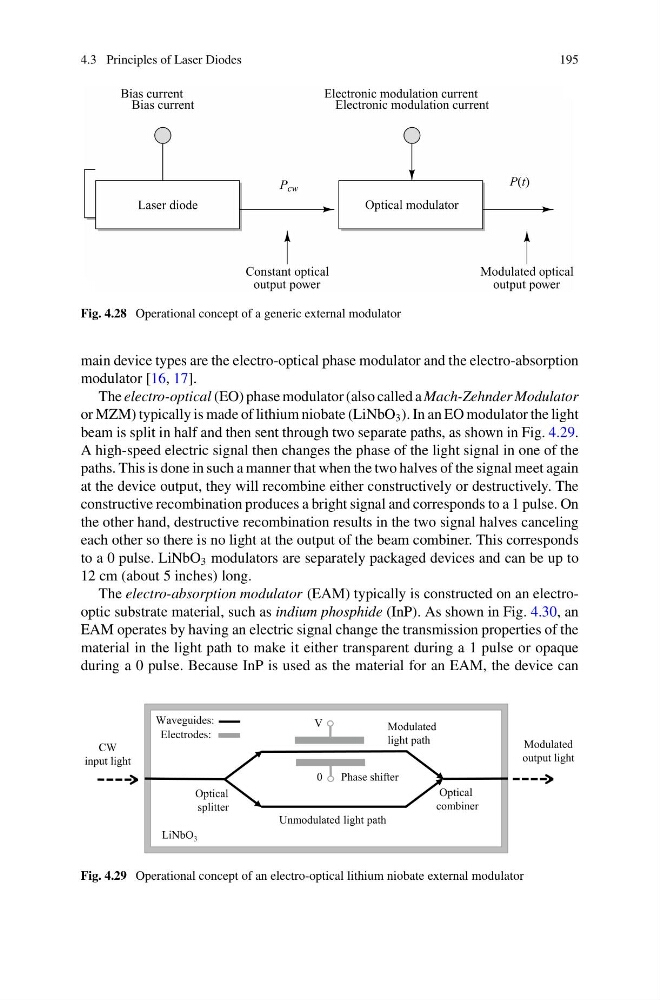
Fig. 4.28 Operational concept of a generic external modulator
main device types are the electro-optical phase modulator and the electro-absorption
modulator [16, 17].
The electro-optical (EO) phase modulator (also called a Mach-Zehnder Modulator
or MZM) typically is made of lithium niobate (LiNbO 3 ). In an EO modulator the light
beam is split in half and then sent through two separate paths, as shown in Fig. 4.29.
A high-speed electric signal then changes the phase of the light signal in one of the
paths. This is done in such a manner that when the two halves of the signal meet again
at the device output, they will recombine either constructively or destructively. The
constructive recombination produces a bright signal and corresponds to a 1 pulse. On
the other hand, destructive recombination results in the two signal halves canceling
each other so there is no light at the output of the beam combiner. This corresponds
to a 0 pulse. LiNbO 3 modulators are separately packaged devices and can be up to
12 cm (about 5 inches) long.
The electro-absorption modulator (EAM) typically is constructed on an electrooptic substrate material, such as indium phosphide (InP). As shown in Fig. 4.30, an
EAM operates by having an electric signal change the transmission properties of the
material in the light path to make it either transparent during a 1 pulse or opaque
during a 0 pulse. Because InP is used as the material for an EAM, the device can
Fig. 4.29 Operational concept of an electro-optical lithium niobate external modulator
195
Fig. 4.28 Operational concept of a generic external modulator
main device types are the electro-optical phase modulator and the electro-absorption
modulator [16, 17].
The electro-optical (EO) phase modulator (also called a Mach-Zehnder Modulator
or MZM) typically is made of lithium niobate (LiNbO 3 ). In an EO modulator the light
beam is split in half and then sent through two separate paths, as shown in Fig. 4.29.
A high-speed electric signal then changes the phase of the light signal in one of the
paths. This is done in such a manner that when the two halves of the signal meet again
at the device output, they will recombine either constructively or destructively. The
constructive recombination produces a bright signal and corresponds to a 1 pulse. On
the other hand, destructive recombination results in the two signal halves canceling
each other so there is no light at the output of the beam combiner. This corresponds
to a 0 pulse. LiNbO 3 modulators are separately packaged devices and can be up to
12 cm (about 5 inches) long.
The electro-absorption modulator (EAM) typically is constructed on an electrooptic substrate material, such as indium phosphide (InP). As shown in Fig. 4.30, an
EAM operates by having an electric signal change the transmission properties of the
material in the light path to make it either transparent during a 1 pulse or opaque
during a 0 pulse. Because InP is used as the material for an EAM, the device can
Fig. 4.29 Operational concept of an electro-optical lithium niobate external modulator