

7 Development of Low Carbon Technology in China’s Iron …
247
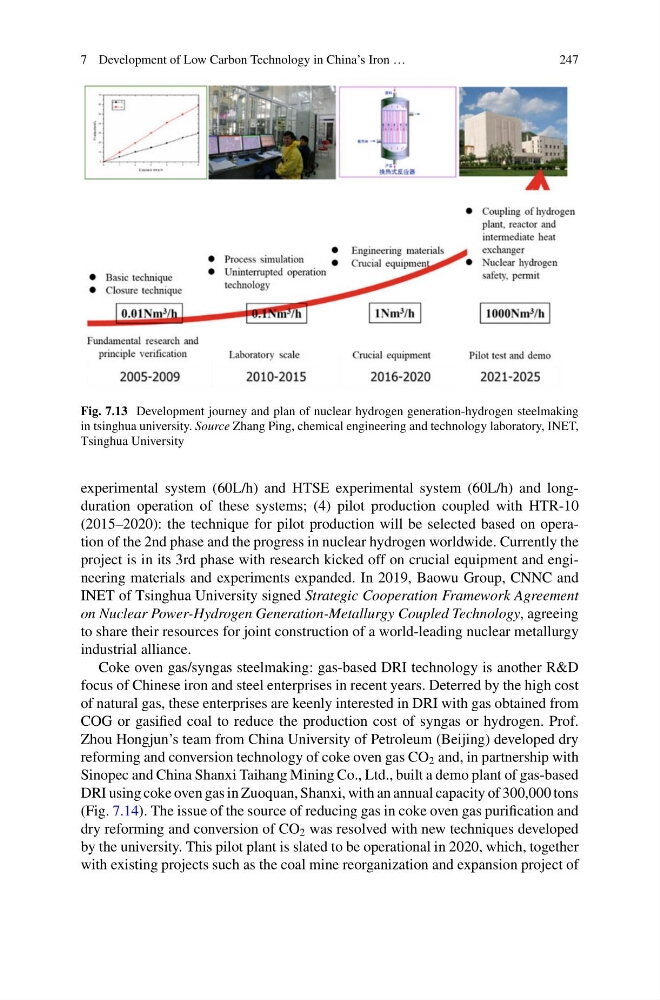
Fig. 7.13 Development journey and plan of nuclear hydrogen generation-hydrogen steelmaking
in tsinghua university. Source Zhang Ping, chemical engineering and technology laboratory, INET,
Tsinghua University
experimental system (60L/h) and HTSE experimental system (60L/h) and longduration operation of these systems; (4) pilot production coupled with HTR-10
(2015–2020): the technique for pilot production will be selected based on operation of the 2nd phase and the progress in nuclear hydrogen worldwide. Currently the
project is in its 3rd phase with research kicked off on crucial equipment and engineering materials and experiments expanded. In 2019, Baowu Group, CNNC and
INET of Tsinghua University signed Strategic Cooperation Framework Agreement
on Nuclear Power-Hydrogen Generation-Metallurgy Coupled Technology, agreeing
to share their resources for joint construction of a world-leading nuclear metallurgy
industrial alliance.
Coke oven gas/syngas steelmaking: gas-based DRI technology is another R&D
focus of Chinese iron and steel enterprises in recent years. Deterred by the high cost
of natural gas, these enterprises are keenly interested in DRI with gas obtained from
COG or gasified coal to reduce the production cost of syngas or hydrogen. Prof.
Zhou Hongjun’s team from China University of Petroleum (Beijing) developed dry
reforming and conversion technology of coke oven gas CO 2 and, in partnership with
Sinopec and China Shanxi Taihang Mining Co., Ltd., built a demo plant of gas-based
DRI using coke oven gas in Zuoquan, Shanxi, with an annual capacity of 300,000 tons
(Fig. 7.14). The issue of the source of reducing gas in coke oven gas purification and
dry reforming and conversion of CO 2 was resolved with new techniques developed
by the university. This pilot plant is slated to be operational in 2020, which, together
with existing projects such as the coal mine reorganization and expansion project of
247
Fig. 7.13 Development journey and plan of nuclear hydrogen generation-hydrogen steelmaking
in tsinghua university. Source Zhang Ping, chemical engineering and technology laboratory, INET,
Tsinghua University
experimental system (60L/h) and HTSE experimental system (60L/h) and longduration operation of these systems; (4) pilot production coupled with HTR-10
(2015–2020): the technique for pilot production will be selected based on operation of the 2nd phase and the progress in nuclear hydrogen worldwide. Currently the
project is in its 3rd phase with research kicked off on crucial equipment and engineering materials and experiments expanded. In 2019, Baowu Group, CNNC and
INET of Tsinghua University signed Strategic Cooperation Framework Agreement
on Nuclear Power-Hydrogen Generation-Metallurgy Coupled Technology, agreeing
to share their resources for joint construction of a world-leading nuclear metallurgy
industrial alliance.
Coke oven gas/syngas steelmaking: gas-based DRI technology is another R&D
focus of Chinese iron and steel enterprises in recent years. Deterred by the high cost
of natural gas, these enterprises are keenly interested in DRI with gas obtained from
COG or gasified coal to reduce the production cost of syngas or hydrogen. Prof.
Zhou Hongjun’s team from China University of Petroleum (Beijing) developed dry
reforming and conversion technology of coke oven gas CO 2 and, in partnership with
Sinopec and China Shanxi Taihang Mining Co., Ltd., built a demo plant of gas-based
DRI using coke oven gas in Zuoquan, Shanxi, with an annual capacity of 300,000 tons
(Fig. 7.14). The issue of the source of reducing gas in coke oven gas purification and
dry reforming and conversion of CO 2 was resolved with new techniques developed
by the university. This pilot plant is slated to be operational in 2020, which, together
with existing projects such as the coal mine reorganization and expansion project of