

2 Squaraine Dyes
27
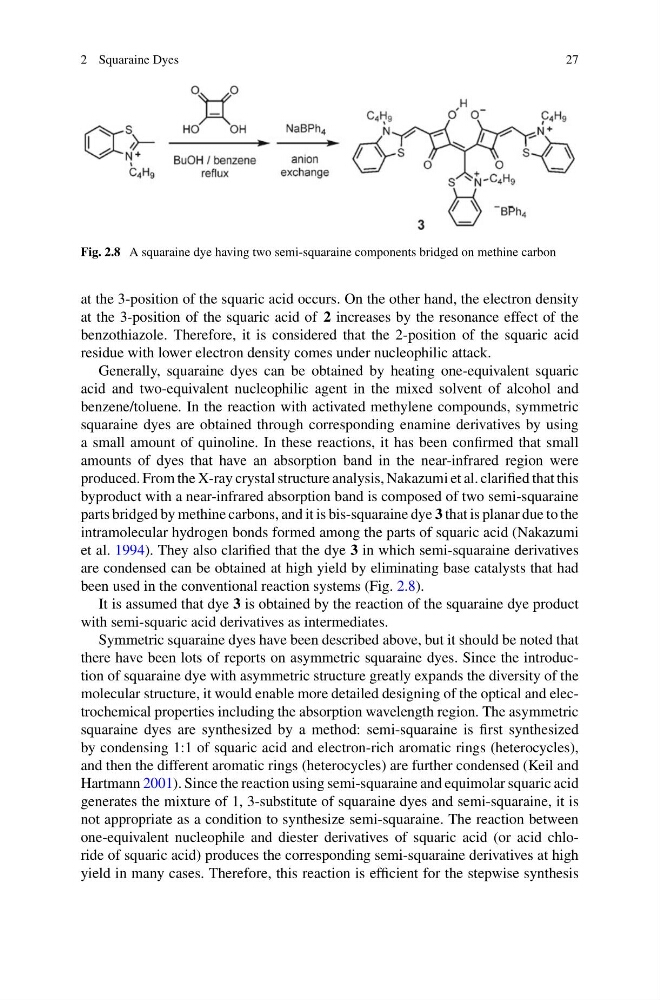
Fig. 2.8 A squaraine dye having two semi-squaraine components bridged on methine carbon
at the 3-position of the squaric acid occurs. On the other hand, the electron density
at the 3-position of the squaric acid of 2 increases by the resonance effect of the
benzothiazole. Therefore, it is considered that the 2-position of the squaric acid
residue with lower electron density comes under nucleophilic attack.
Generally, squaraine dyes can be obtained by heating one-equivalent squaric
acid and two-equivalent nucleophilic agent in the mixed solvent of alcohol and
benzene/toluene. In the reaction with activated methylene compounds, symmetric
squaraine dyes are obtained through corresponding enamine derivatives by using
a small amount of quinoline. In these reactions, it has been confirmed that small
amounts of dyes that have an absorption band in the near-infrared region were
produced. From the X-ray crystal structure analysis, Nakazumi et al. clarified that this
byproduct with a near-infrared absorption band is composed of two semi-squaraine
parts bridged by methine carbons, and it is bis-squaraine dye 3 that is planar due to the
intramolecular hydrogen bonds formed among the parts of squaric acid (Nakazumi
et al. 1994). They also clarified that the dye 3 in which semi-squaraine derivatives
are condensed can be obtained at high yield by eliminating base catalysts that had
been used in the conventional reaction systems (Fig. 2.8).
It is assumed that dye 3 is obtained by the reaction of the squaraine dye product
with semi-squaric acid derivatives as intermediates.
Symmetric squaraine dyes have been described above, but it should be noted that
there have been lots of reports on asymmetric squaraine dyes. Since the introduction of squaraine dye with asymmetric structure greatly expands the diversity of the
molecular structure, it would enable more detailed designing of the optical and electrochemical properties including the absorption wavelength region. The asymmetric
squaraine dyes are synthesized by a method: semi-squaraine is first synthesized
by condensing 1:1 of squaric acid and electron-rich aromatic rings (heterocycles),
and then the different aromatic rings (heterocycles) are further condensed (Keil and
Hartmann 2001). Since the reaction using semi-squaraine and equimolar squaric acid
generates the mixture of 1, 3-substitute of squaraine dyes and semi-squaraine, it is
not appropriate as a condition to synthesize semi-squaraine. The reaction between
one-equivalent nucleophile and diester derivatives of squaric acid (or acid chloride of squaric acid) produces the corresponding semi-squaraine derivatives at high
yield in many cases. Therefore, this reaction is efficient for the stepwise synthesis
27
Fig. 2.8 A squaraine dye having two semi-squaraine components bridged on methine carbon
at the 3-position of the squaric acid occurs. On the other hand, the electron density
at the 3-position of the squaric acid of 2 increases by the resonance effect of the
benzothiazole. Therefore, it is considered that the 2-position of the squaric acid
residue with lower electron density comes under nucleophilic attack.
Generally, squaraine dyes can be obtained by heating one-equivalent squaric
acid and two-equivalent nucleophilic agent in the mixed solvent of alcohol and
benzene/toluene. In the reaction with activated methylene compounds, symmetric
squaraine dyes are obtained through corresponding enamine derivatives by using
a small amount of quinoline. In these reactions, it has been confirmed that small
amounts of dyes that have an absorption band in the near-infrared region were
produced. From the X-ray crystal structure analysis, Nakazumi et al. clarified that this
byproduct with a near-infrared absorption band is composed of two semi-squaraine
parts bridged by methine carbons, and it is bis-squaraine dye 3 that is planar due to the
intramolecular hydrogen bonds formed among the parts of squaric acid (Nakazumi
et al. 1994). They also clarified that the dye 3 in which semi-squaraine derivatives
are condensed can be obtained at high yield by eliminating base catalysts that had
been used in the conventional reaction systems (Fig. 2.8).
It is assumed that dye 3 is obtained by the reaction of the squaraine dye product
with semi-squaric acid derivatives as intermediates.
Symmetric squaraine dyes have been described above, but it should be noted that
there have been lots of reports on asymmetric squaraine dyes. Since the introduction of squaraine dye with asymmetric structure greatly expands the diversity of the
molecular structure, it would enable more detailed designing of the optical and electrochemical properties including the absorption wavelength region. The asymmetric
squaraine dyes are synthesized by a method: semi-squaraine is first synthesized
by condensing 1:1 of squaric acid and electron-rich aromatic rings (heterocycles),
and then the different aromatic rings (heterocycles) are further condensed (Keil and
Hartmann 2001). Since the reaction using semi-squaraine and equimolar squaric acid
generates the mixture of 1, 3-substitute of squaraine dyes and semi-squaraine, it is
not appropriate as a condition to synthesize semi-squaraine. The reaction between
one-equivalent nucleophile and diester derivatives of squaric acid (or acid chloride of squaric acid) produces the corresponding semi-squaraine derivatives at high
yield in many cases. Therefore, this reaction is efficient for the stepwise synthesis