

The main disadvantage of supported bilayers is that the supported bilayer
is not truly decoupled from the underlying substrate. The layer of
hydration at the bilayer-support interface allows for membrane fluidity,
but this layer is also too thin to prevent transmembrane proteins from
interacting unfavorably with the underlying substrate. Such interactions
can denature the protein or cause the membrane to lose its fluidity.
10.3.3 Polymer cushioned phospholipid bilayers
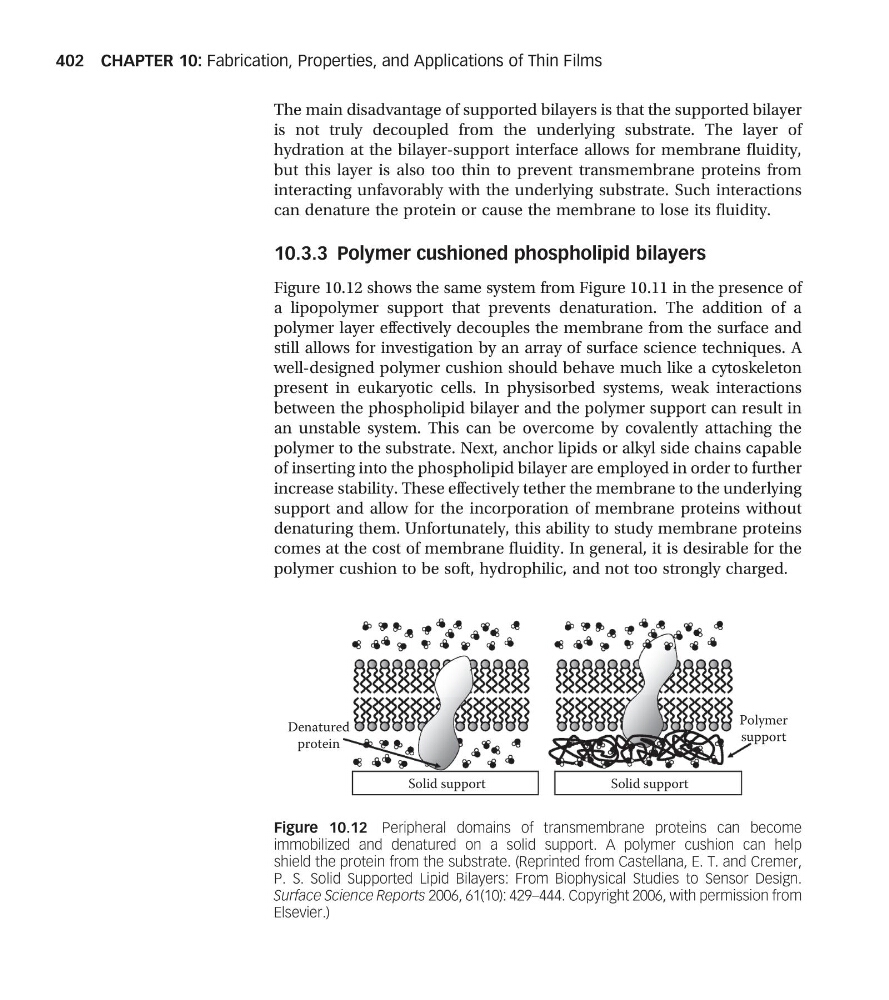
Figure 10.12 shows the same system from Figure 10.11 in the presence of
a lipopolymer support that prevents denaturation. The addition of a
polymer layer effectively decouples the membrane from the surface and
still allows for investigation by an array of surface science techniques. A
well-designed polymer cushion should behave much like a cytoskeleton
present in eukaryotic cells. In physisorbed systems, weak interactions
between the phospholipid bilayer and the polymer support can result in
an unstable system. This can be overcome by covalently attaching the
polymer to the substrate. Next, anchor lipids or alkyl side chains capable
of inserting into the phospholipid bilayer are employed in order to further
increase stability. These effectively tether the membrane to the underlying
support and allow for the incorporation of membrane proteins without
denaturing them. Unfortunately, this ability to study membrane proteins
comes at the cost of membrane fluidity. In general, it is desirable for the
polymer cushion to be soft, hydrophilic, and not too strongly charged.
Denatured
protein
Polymer
support
Solid support
Solid support
Figure 10.12 Peripheral domains of transmembrane proteins can become
immobilized and denatured on a solid support. A polymer cushion can help
shield the protein from the substrate. (Reprinted from Castellana, E. T. and Cremer,
P. S. Solid Supported Lipid Bilayers: From Biophysical Studies to Sensor Design.
Surface Science Reports 2006, 61(10): 429–444. Copyright 2006, with permission from
Elsevier.)
CHAPTER 10: Fabrication, Properties, and Applications of Thin Films
402
is not truly decoupled from the underlying substrate. The layer of
hydration at the bilayer-support interface allows for membrane fluidity,
but this layer is also too thin to prevent transmembrane proteins from
interacting unfavorably with the underlying substrate. Such interactions
can denature the protein or cause the membrane to lose its fluidity.
10.3.3 Polymer cushioned phospholipid bilayers
Figure 10.12 shows the same system from Figure 10.11 in the presence of
a lipopolymer support that prevents denaturation. The addition of a
polymer layer effectively decouples the membrane from the surface and
still allows for investigation by an array of surface science techniques. A
well-designed polymer cushion should behave much like a cytoskeleton
present in eukaryotic cells. In physisorbed systems, weak interactions
between the phospholipid bilayer and the polymer support can result in
an unstable system. This can be overcome by covalently attaching the
polymer to the substrate. Next, anchor lipids or alkyl side chains capable
of inserting into the phospholipid bilayer are employed in order to further
increase stability. These effectively tether the membrane to the underlying
support and allow for the incorporation of membrane proteins without
denaturing them. Unfortunately, this ability to study membrane proteins
comes at the cost of membrane fluidity. In general, it is desirable for the
polymer cushion to be soft, hydrophilic, and not too strongly charged.
Denatured
protein
Polymer
support
Solid support
Solid support
Figure 10.12 Peripheral domains of transmembrane proteins can become
immobilized and denatured on a solid support. A polymer cushion can help
shield the protein from the substrate. (Reprinted from Castellana, E. T. and Cremer,
P. S. Solid Supported Lipid Bilayers: From Biophysical Studies to Sensor Design.
Surface Science Reports 2006, 61(10): 429–444. Copyright 2006, with permission from
Elsevier.)
CHAPTER 10: Fabrication, Properties, and Applications of Thin Films
402