

156
J. Pospíšil et al.
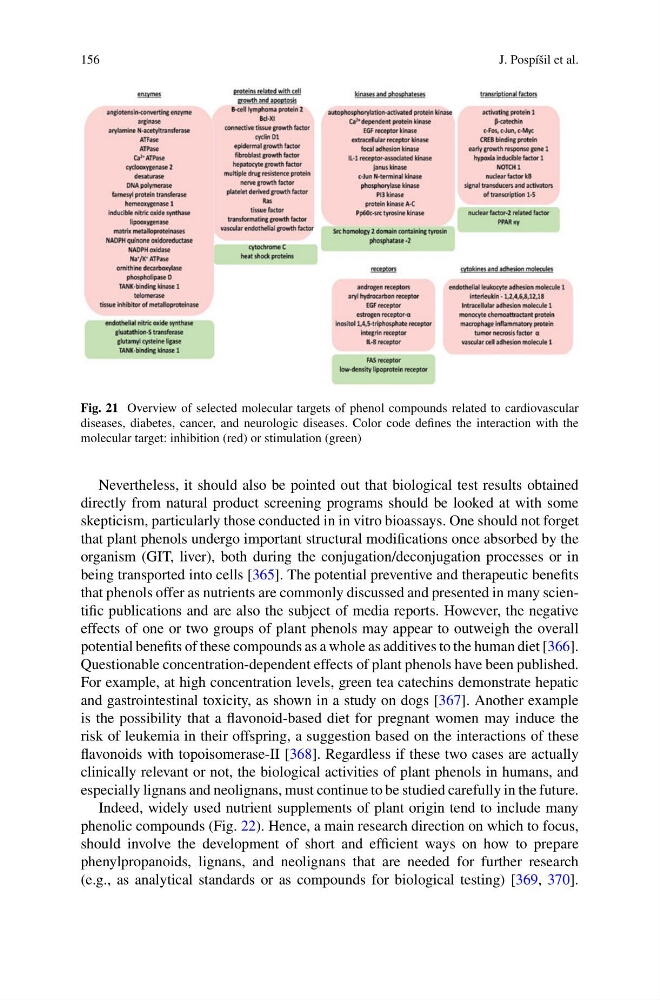
Fig. 21 Overview of selected molecular targets of phenol compounds related to cardiovascular
diseases, diabetes, cancer, and neurologic diseases. Color code defines the interaction with the
molecular target: inhibition (red) or stimulation (green)
Nevertheless, it should also be pointed out that biological test results obtained
directly from natural product screening programs should be looked at with some
skepticism, particularly those conducted in in vitro bioassays. One should not forget
that plant phenols undergo important structural modifications once absorbed by the
organism (GIT, liver), both during the conjugation/deconjugation processes or in
being transported into cells [365]. The potential preventive and therapeutic benefits
that phenols offer as nutrients are commonly discussed and presented in many scientific publications and are also the subject of media reports. However, the negative
effects of one or two groups of plant phenols may appear to outweigh the overall
potential benefits of these compounds as a whole as additives to the human diet [366].
Questionable concentration-dependent effects of plant phenols have been published.
For example, at high concentration levels, green tea catechins demonstrate hepatic
and gastrointestinal toxicity, as shown in a study on dogs [367]. Another example
is the possibility that a flavonoid-based diet for pregnant women may induce the
risk of leukemia in their offspring, a suggestion based on the interactions of these
flavonoids with topoisomerase-II [368]. Regardless if these two cases are actually
clinically relevant or not, the biological activities of plant phenols in humans, and
especially lignans and neolignans, must continue to be studied carefully in the future.
Indeed, widely used nutrient supplements of plant origin tend to include many
phenolic compounds (Fig. 22). Hence, a main research direction on which to focus,
should involve the development of short and efficient ways on how to prepare
phenylpropanoids, lignans, and neolignans that are needed for further research
(e.g., as analytical standards or as compounds for biological testing) [369, 370].
J. Pospíšil et al.
Fig. 21 Overview of selected molecular targets of phenol compounds related to cardiovascular
diseases, diabetes, cancer, and neurologic diseases. Color code defines the interaction with the
molecular target: inhibition (red) or stimulation (green)
Nevertheless, it should also be pointed out that biological test results obtained
directly from natural product screening programs should be looked at with some
skepticism, particularly those conducted in in vitro bioassays. One should not forget
that plant phenols undergo important structural modifications once absorbed by the
organism (GIT, liver), both during the conjugation/deconjugation processes or in
being transported into cells [365]. The potential preventive and therapeutic benefits
that phenols offer as nutrients are commonly discussed and presented in many scientific publications and are also the subject of media reports. However, the negative
effects of one or two groups of plant phenols may appear to outweigh the overall
potential benefits of these compounds as a whole as additives to the human diet [366].
Questionable concentration-dependent effects of plant phenols have been published.
For example, at high concentration levels, green tea catechins demonstrate hepatic
and gastrointestinal toxicity, as shown in a study on dogs [367]. Another example
is the possibility that a flavonoid-based diet for pregnant women may induce the
risk of leukemia in their offspring, a suggestion based on the interactions of these
flavonoids with topoisomerase-II [368]. Regardless if these two cases are actually
clinically relevant or not, the biological activities of plant phenols in humans, and
especially lignans and neolignans, must continue to be studied carefully in the future.
Indeed, widely used nutrient supplements of plant origin tend to include many
phenolic compounds (Fig. 22). Hence, a main research direction on which to focus,
should involve the development of short and efficient ways on how to prepare
phenylpropanoids, lignans, and neolignans that are needed for further research
(e.g., as analytical standards or as compounds for biological testing) [369, 370].