

Antileishmanial Activity of Lignans, Neolignans …
155
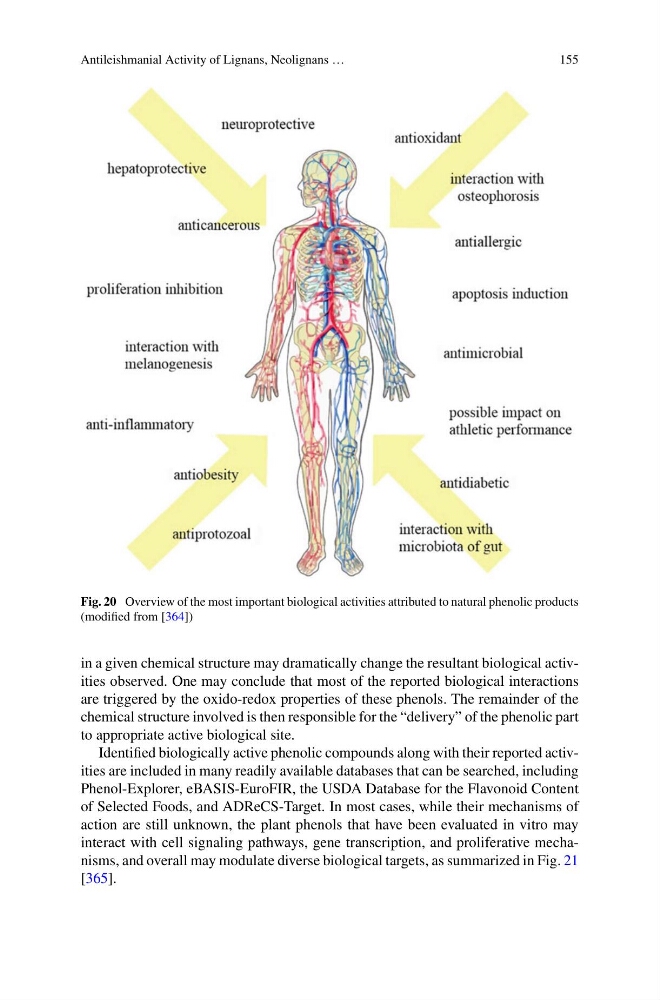
Fig. 20 Overview of the most important biological activities attributed to natural phenolic products
(modified from [364])
in a given chemical structure may dramatically change the resultant biological activities observed. One may conclude that most of the reported biological interactions
are triggered by the oxido-redox properties of these phenols. The remainder of the
chemical structure involved is then responsible for the “delivery” of the phenolic part
to appropriate active biological site.
Identified biologically active phenolic compounds along with their reported activities are included in many readily available databases that can be searched, including
Phenol-Explorer, eBASIS-EuroFIR, the USDA Database for the Flavonoid Content
of Selected Foods, and ADReCS-Target. In most cases, while their mechanisms of
action are still unknown, the plant phenols that have been evaluated in vitro may
interact with cell signaling pathways, gene transcription, and proliferative mechanisms, and overall may modulate diverse biological targets, as summarized in Fig. 21
[365].
155
Fig. 20 Overview of the most important biological activities attributed to natural phenolic products
(modified from [364])
in a given chemical structure may dramatically change the resultant biological activities observed. One may conclude that most of the reported biological interactions
are triggered by the oxido-redox properties of these phenols. The remainder of the
chemical structure involved is then responsible for the “delivery” of the phenolic part
to appropriate active biological site.
Identified biologically active phenolic compounds along with their reported activities are included in many readily available databases that can be searched, including
Phenol-Explorer, eBASIS-EuroFIR, the USDA Database for the Flavonoid Content
of Selected Foods, and ADReCS-Target. In most cases, while their mechanisms of
action are still unknown, the plant phenols that have been evaluated in vitro may
interact with cell signaling pathways, gene transcription, and proliferative mechanisms, and overall may modulate diverse biological targets, as summarized in Fig. 21
[365].