

152
J. Pospíšil et al.
O
O
S
O
144 ((3,4-dimethoxy)-2-(4methylthiophenoxy)propiophenone)
OH
O
O
134 (plumbagin)
O
OH
O
O
135 (jacaranone)
O
OH
O
136 (hydropiperone)
O
O
OH
O
OH
OH
O
O
O
HO
OH
OH
137 (amarogentin)
O
HO
OH
OH
O
139 (sulfuretin)
140 ((1S,3aR,4S,6aR)-medioresinol)
O
O
O
O
O
O
O
O
141 ((–)-(1S,3aR,4S,6aR)-lirioresinol B)
O
O
O
O
O
OH
O
O
142 ((–)- (3S,4R,4'S)sanguinolignan A)
O
O
143 (5-methyl-coumarin)
138 (2',6'-dihydroxy4'-methoxychalcone)
O
O
OH
HO
O
O
O
OH
O
O
HO
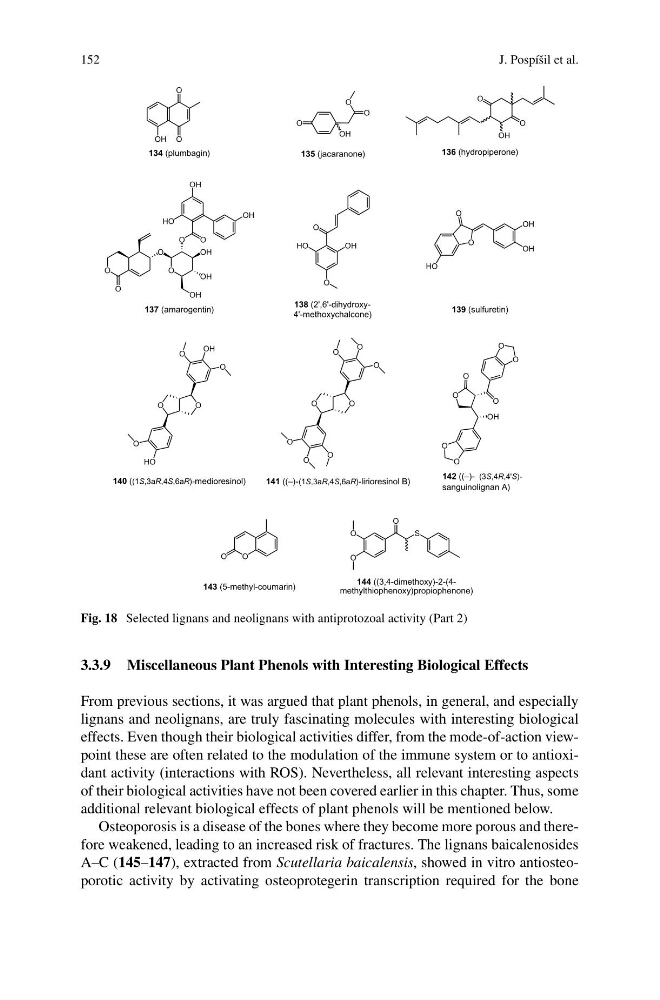
Fig. 18 Selected lignans and neolignans with antiprotozoal activity (Part 2)
3.3.9 Miscellaneous Plant Phenols with Interesting Biological Effects
From previous sections, it was argued that plant phenols, in general, and especially
lignans and neolignans, are truly fascinating molecules with interesting biological
effects. Even though their biological activities differ, from the mode-of-action viewpoint these are often related to the modulation of the immune system or to antioxidant activity (interactions with ROS). Nevertheless, all relevant interesting aspects
of their biological activities have not been covered earlier in this chapter. Thus, some
additional relevant biological effects of plant phenols will be mentioned below.
Osteoporosis is a disease of the bones where they become more porous and therefore weakened, leading to an increased risk of fractures. The lignans baicalenosides
A–C (145–147), extracted from Scutellaria baicalensis, showed in vitro antiosteoporotic activity by activating osteoprotegerin transcription required for the bone
J. Pospíšil et al.
O
O
S
O
144 ((3,4-dimethoxy)-2-(4methylthiophenoxy)propiophenone)
OH
O
O
134 (plumbagin)
O
OH
O
O
135 (jacaranone)
O
OH
O
136 (hydropiperone)
O
O
OH
O
OH
OH
O
O
O
HO
OH
OH
137 (amarogentin)
O
HO
OH
OH
O
139 (sulfuretin)
140 ((1S,3aR,4S,6aR)-medioresinol)
O
O
O
O
O
O
O
O
141 ((–)-(1S,3aR,4S,6aR)-lirioresinol B)
O
O
O
O
O
OH
O
O
142 ((–)- (3S,4R,4'S)sanguinolignan A)
O
O
143 (5-methyl-coumarin)
138 (2',6'-dihydroxy4'-methoxychalcone)
O
O
OH
HO
O
O
O
OH
O
O
HO
Fig. 18 Selected lignans and neolignans with antiprotozoal activity (Part 2)
3.3.9 Miscellaneous Plant Phenols with Interesting Biological Effects
From previous sections, it was argued that plant phenols, in general, and especially
lignans and neolignans, are truly fascinating molecules with interesting biological
effects. Even though their biological activities differ, from the mode-of-action viewpoint these are often related to the modulation of the immune system or to antioxidant activity (interactions with ROS). Nevertheless, all relevant interesting aspects
of their biological activities have not been covered earlier in this chapter. Thus, some
additional relevant biological effects of plant phenols will be mentioned below.
Osteoporosis is a disease of the bones where they become more porous and therefore weakened, leading to an increased risk of fractures. The lignans baicalenosides
A–C (145–147), extracted from Scutellaria baicalensis, showed in vitro antiosteoporotic activity by activating osteoprotegerin transcription required for the bone