

150
J. Pospíšil et al.
O
O
O
O
O
O
120 ((–)-(3R,4R)-methylpluviatolide
O
O
OH
O
HO
HO
122 ((2R,3R)-7-methoxy-aromadendrin)
O
O
O
O
123 (3',4'-methylenedioxy5',5,6,7-tetramethoxyflavone)
O
O
OH
O
HO
121 ((S)-sakuranetin)
O
O
O
O
O
O
O
O
O
O
O
124 (3',4'-methylenedioxy5,7-dimethoxyflavone)
O
HO
OH
O
O
O
O
O
O
125 ((2S,6R)-O-methylcentrolobine)
127 (klaivanolide)
O
HO
O
OH
129 (licochalcone A)
O
O
OH
O
O
OH
133 (diospyrin)
O
OH
OH
O
128 (2',6'-dihydroxy-4'methoxychalcone)
HO
OH
130 ((+)-(R,Z)-nyasol)
O
OH
OH
O
HO
HO
131 (luteolin)
O
O
OH
HO
O
126 (demethocycurcumin)
O
HO
O
OH
O
O
132 (3-methoxy-carpachromene)
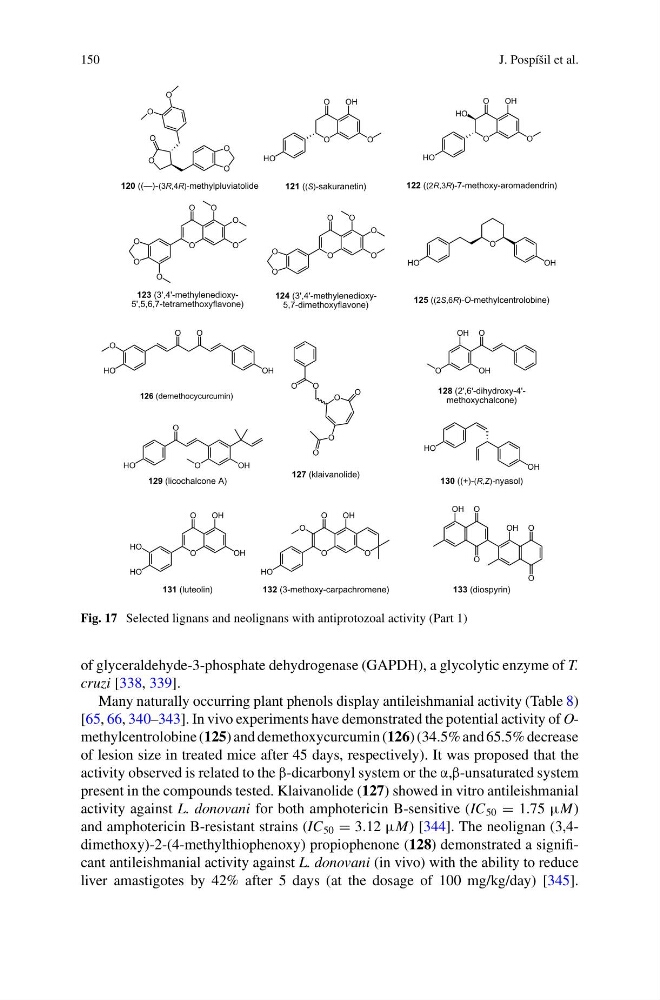
Fig. 17 Selected lignans and neolignans with antiprotozoal activity (Part 1)
of glyceraldehyde-3-phosphate dehydrogenase (GAPDH), a glycolytic enzyme of T.
cruzi [338, 339].
Many naturally occurring plant phenols display antileishmanial activity (Table 8)
[65, 66, 340–343]. In vivo experiments have demonstrated the potential activity of Omethylcentrolobine (125) and demethoxycurcumin (126) (34.5% and 65.5% decrease
of lesion size in treated mice after 45 days, respectively). It was proposed that the
activity observed is related to the β-dicarbonyl system or the α,β-unsaturated system
present in the compounds tested. Klaivanolide (127) showed in vitro antileishmanial
activity against L. donovani for both amphotericin B-sensitive (IC 50 = 1.75 μM)
and amphotericin B-resistant strains (IC 50 = 3.12 μM) [344]. The neolignan (3,4dimethoxy)-2-(4-methylthiophenoxy) propiophenone (128) demonstrated a significant antileishmanial activity against L. donovani (in vivo) with the ability to reduce
liver amastigotes by 42% after 5 days (at the dosage of 100 mg/kg/day) [345].
J. Pospíšil et al.
O
O
O
O
O
O
120 ((–)-(3R,4R)-methylpluviatolide
O
O
OH
O
HO
HO
122 ((2R,3R)-7-methoxy-aromadendrin)
O
O
O
O
123 (3',4'-methylenedioxy5',5,6,7-tetramethoxyflavone)
O
O
OH
O
HO
121 ((S)-sakuranetin)
O
O
O
O
O
O
O
O
O
O
O
124 (3',4'-methylenedioxy5,7-dimethoxyflavone)
O
HO
OH
O
O
O
O
O
O
125 ((2S,6R)-O-methylcentrolobine)
127 (klaivanolide)
O
HO
O
OH
129 (licochalcone A)
O
O
OH
O
O
OH
133 (diospyrin)
O
OH
OH
O
128 (2',6'-dihydroxy-4'methoxychalcone)
HO
OH
130 ((+)-(R,Z)-nyasol)
O
OH
OH
O
HO
HO
131 (luteolin)
O
O
OH
HO
O
126 (demethocycurcumin)
O
HO
O
OH
O
O
132 (3-methoxy-carpachromene)
Fig. 17 Selected lignans and neolignans with antiprotozoal activity (Part 1)
of glyceraldehyde-3-phosphate dehydrogenase (GAPDH), a glycolytic enzyme of T.
cruzi [338, 339].
Many naturally occurring plant phenols display antileishmanial activity (Table 8)
[65, 66, 340–343]. In vivo experiments have demonstrated the potential activity of Omethylcentrolobine (125) and demethoxycurcumin (126) (34.5% and 65.5% decrease
of lesion size in treated mice after 45 days, respectively). It was proposed that the
activity observed is related to the β-dicarbonyl system or the α,β-unsaturated system
present in the compounds tested. Klaivanolide (127) showed in vitro antileishmanial
activity against L. donovani for both amphotericin B-sensitive (IC 50 = 1.75 μM)
and amphotericin B-resistant strains (IC 50 = 3.12 μM) [344]. The neolignan (3,4dimethoxy)-2-(4-methylthiophenoxy) propiophenone (128) demonstrated a significant antileishmanial activity against L. donovani (in vivo) with the ability to reduce
liver amastigotes by 42% after 5 days (at the dosage of 100 mg/kg/day) [345].