

Antileishmanial Activity of Lignans, Neolignans …
147
O
OH
OH
HO
O
O
O
OH
HO
OH
HO
OH
HO
O
O
OH
106 ((2R,3R)-secoisolariciresinol
di- D-glucoside)
O
O
O
O
O
O
107 ((6S,7R)-gomisin N)
O
O
O
O
O
OH
O
O
HO
O
O
108 (manassantin A)
O
O
O
O
O
HO
O
O
O
OH
OH
OH
OH
111 (syringaresinol-4-O-ß-D-glucoside)
O
O
O
O
O
O
112 ((2S,3S)-phyllanthin)
O
O
O
O
O
O
113 ((6R,7S)-schisandrin B)
O
HO
O
OH
O
110 ((2R,3R,4S,5S)-nectandrin B)
O
O
O
O
O
114 (5R,8R,11R)-isocubebinic ether
O
O
O
O
HO
O
OH
115 (selamoellenin A)
O
O
O
O
O
OH
O
O
HO
109 (manassantin B)
O
O
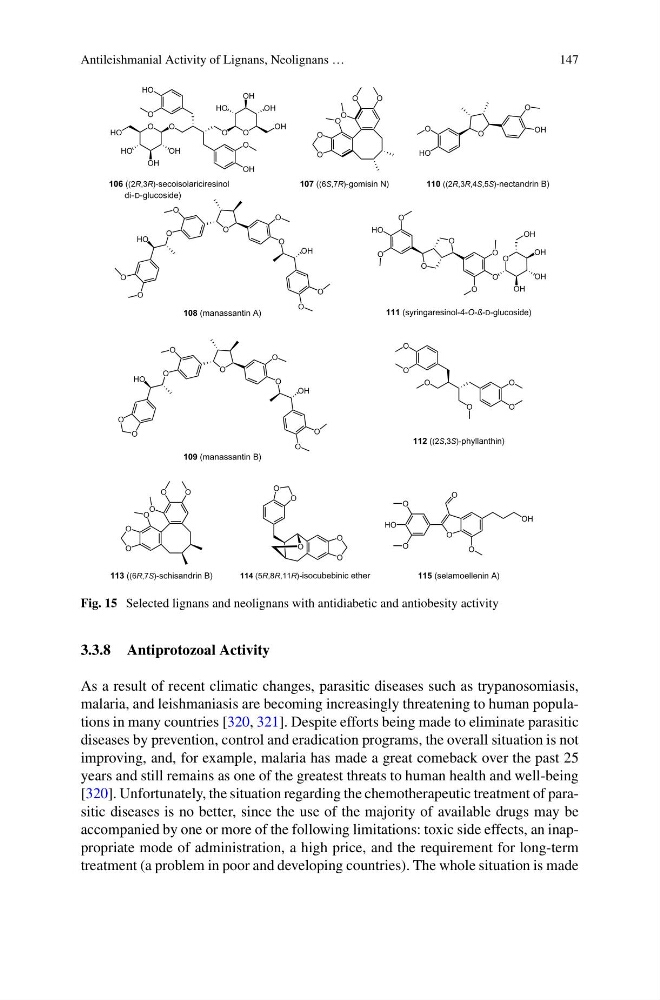
Fig. 15 Selected lignans and neolignans with antidiabetic and antiobesity activity
3.3.8 Antiprotozoal Activity
As a result of recent climatic changes, parasitic diseases such as trypanosomiasis,
malaria, and leishmaniasis are becoming increasingly threatening to human populations in many countries [320, 321]. Despite efforts being made to eliminate parasitic
diseases by prevention, control and eradication programs, the overall situation is not
improving, and, for example, malaria has made a great comeback over the past 25
years and still remains as one of the greatest threats to human health and well-being
[320]. Unfortunately, the situation regarding the chemotherapeutic treatment of parasitic diseases is no better, since the use of the majority of available drugs may be
accompanied by one or more of the following limitations: toxic side effects, an inappropriate mode of administration, a high price, and the requirement for long-term
treatment (a problem in poor and developing countries). The whole situation is made
147
O
OH
OH
HO
O
O
O
OH
HO
OH
HO
OH
HO
O
O
OH
106 ((2R,3R)-secoisolariciresinol
di- D-glucoside)
O
O
O
O
O
O
107 ((6S,7R)-gomisin N)
O
O
O
O
O
OH
O
O
HO
O
O
108 (manassantin A)
O
O
O
O
O
HO
O
O
O
OH
OH
OH
OH
111 (syringaresinol-4-O-ß-D-glucoside)
O
O
O
O
O
O
112 ((2S,3S)-phyllanthin)
O
O
O
O
O
O
113 ((6R,7S)-schisandrin B)
O
HO
O
OH
O
110 ((2R,3R,4S,5S)-nectandrin B)
O
O
O
O
O
114 (5R,8R,11R)-isocubebinic ether
O
O
O
O
HO
O
OH
115 (selamoellenin A)
O
O
O
O
O
OH
O
O
HO
109 (manassantin B)
O
O
Fig. 15 Selected lignans and neolignans with antidiabetic and antiobesity activity
3.3.8 Antiprotozoal Activity
As a result of recent climatic changes, parasitic diseases such as trypanosomiasis,
malaria, and leishmaniasis are becoming increasingly threatening to human populations in many countries [320, 321]. Despite efforts being made to eliminate parasitic
diseases by prevention, control and eradication programs, the overall situation is not
improving, and, for example, malaria has made a great comeback over the past 25
years and still remains as one of the greatest threats to human health and well-being
[320]. Unfortunately, the situation regarding the chemotherapeutic treatment of parasitic diseases is no better, since the use of the majority of available drugs may be
accompanied by one or more of the following limitations: toxic side effects, an inappropriate mode of administration, a high price, and the requirement for long-term
treatment (a problem in poor and developing countries). The whole situation is made