

11.5 Filled Polymer Composites 267
ordered inorganic platelets are bonded together with proteins, a design leading to
high-strength material. To a large extent, these composites are insensitive to flaws
[17]. Schematically, this type of materials without and under load is shown in
Figure 11.22.
The type of composite as depicted in Figure 11.22 is preferred in nature. The
archetype of this structure is found in nacre, consisting of crystallized mineral
platelets (aragonite) with a thickness of a few nanometers bonded together with
collagen as matrix. This “brick and mortar” structure combines two materials with
quite low strength to a high-strength composite. This structure is to a large extent
resistant against disastrous cracks. The crack resistance can be understood looking
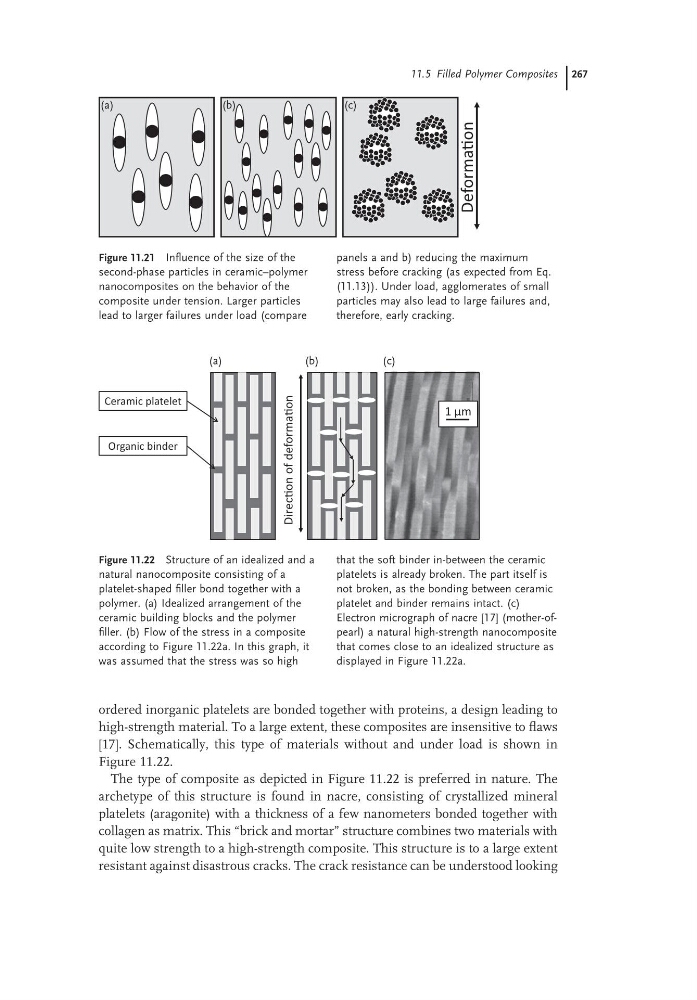
Figure 11.21 Influence of the size of the
second-phase particles in ceramic–polymer
nanocomposites on the behavior of the
composite under tension. Larger particles
lead to larger failures under load (compare
panels a and b) reducing the maximum
stress before cracking (as expected from Eq.
(11.13)). Under load, agglomerates of small
particles may also lead to large failures and,
therefore, early cracking.
DeformaƟon
(a)
(b)
(c)
Figure 11.22 Structure of an idealized and a
natural nanocomposite consisting of a
platelet-shaped filler bond together with a
polymer. (a) Idealized arrangement of the
ceramic building blocks and the polymer
filler. (b) Flow of the stress in a composite
according to Figure 11.22a. In this graph, it
was assumed that the stress was so high
that the soft binder in-between the ceramic
platelets is already broken. The part itself is
not broken, as the bonding between ceramic
platelet and binder remains intact. (c)
Electron micrograph of nacre [17] (mother-ofpearl) a natural high-strength nanocomposite
that comes close to an idealized structure as
displayed in Figure 11.22a.
DirecƟon of deformaƟon
1 µm
Ceramic platelet
Organic binder
(a)
(b)
(c)
ordered inorganic platelets are bonded together with proteins, a design leading to
high-strength material. To a large extent, these composites are insensitive to flaws
[17]. Schematically, this type of materials without and under load is shown in
Figure 11.22.
The type of composite as depicted in Figure 11.22 is preferred in nature. The
archetype of this structure is found in nacre, consisting of crystallized mineral
platelets (aragonite) with a thickness of a few nanometers bonded together with
collagen as matrix. This “brick and mortar” structure combines two materials with
quite low strength to a high-strength composite. This structure is to a large extent
resistant against disastrous cracks. The crack resistance can be understood looking
Figure 11.21 Influence of the size of the
second-phase particles in ceramic–polymer
nanocomposites on the behavior of the
composite under tension. Larger particles
lead to larger failures under load (compare
panels a and b) reducing the maximum
stress before cracking (as expected from Eq.
(11.13)). Under load, agglomerates of small
particles may also lead to large failures and,
therefore, early cracking.
DeformaƟon
(a)
(b)
(c)
Figure 11.22 Structure of an idealized and a
natural nanocomposite consisting of a
platelet-shaped filler bond together with a
polymer. (a) Idealized arrangement of the
ceramic building blocks and the polymer
filler. (b) Flow of the stress in a composite
according to Figure 11.22a. In this graph, it
was assumed that the stress was so high
that the soft binder in-between the ceramic
platelets is already broken. The part itself is
not broken, as the bonding between ceramic
platelet and binder remains intact. (c)
Electron micrograph of nacre [17] (mother-ofpearl) a natural high-strength nanocomposite
that comes close to an idealized structure as
displayed in Figure 11.22a.
DirecƟon of deformaƟon
1 µm
Ceramic platelet
Organic binder
(a)
(b)
(c)