

435
intermolecular hydrogen bonds. These properties made lignin as insoluble in any
solvent. The processing of lignin by condensation or degradation led it to be divided
into insoluble and soluble ones with an amorphous and morphological structure,
respectively. The phenolic hydroxyl and carboxyl groups’ presence in lignin is
responsible for its solubility in alkaline medium. Separated Braun’s and organosolv
lignin are dissolved in various organic solvents such as DMSO, dioxane, methanol,
ethanol, acetone and pyridine. The complexity in the structural arrangement of lignin results in the resistance to the selective conversion into the products. Most of the
lignin is converted into bio oil by pyrolysis approach [18].
3 Conversion of Lignocellulosic Biomass to Chemicals
The US Department of Energy has proposed several notable platform chemicals that
can be obtained from biomass to maintain the sustainability with techno-economic
feasibility. Biomass is rich source for the synthesis of important platform chemicals
and fuel additives like 5-hydroxymethylfurfural (HMF), 5-ethoxymethylfurfural
(EMF), alkyl levulinates (AL) and γ-valerolactone (GVL). These chemicals can be
yielded directly either from biomass or its derivatives in the presence of a proper
catalyst. The catalyst can be homogeneous, heterogeneous or ionic liquids having
Bronsted and Lewis acidity or a combination of both. The function of the catalyst is
not only to increase the rates of reactions but also to enhance the product selectivity
and yield.
The conversion of cellulosic biomass via hydrolysis techniques can be accomplished by the use of mineral acids. The hydrolysis techniques are capable of yielding the selective formation of renewable chemicals and fuels in successive
operations. The acid hydrolysis of cellulose gives glucose which further undergoes
isomerization to fructose. Acid treatment of carbohydrates in the presence of aqueous media will give levulinic acid. Dehydration of fructose yields HMF and further
etherification gives the product EMF. Rehydration followed by deformylation of
these furan derivatives yields alkyl levulinates which further undergo hydrogenation
to yield GVL. Acid treatment of hemicellulose produces xylose as a major product.
Hydrolysis of xylose gives furfural as major product which on hydrogenation yields
furfuryl alcohol. The alcoholysis of furfuryl alcohol results in the formation of alkyl
levulinates. The schematic representations of the possible transformations from cellulosic biomass are presented in Fig. 7.
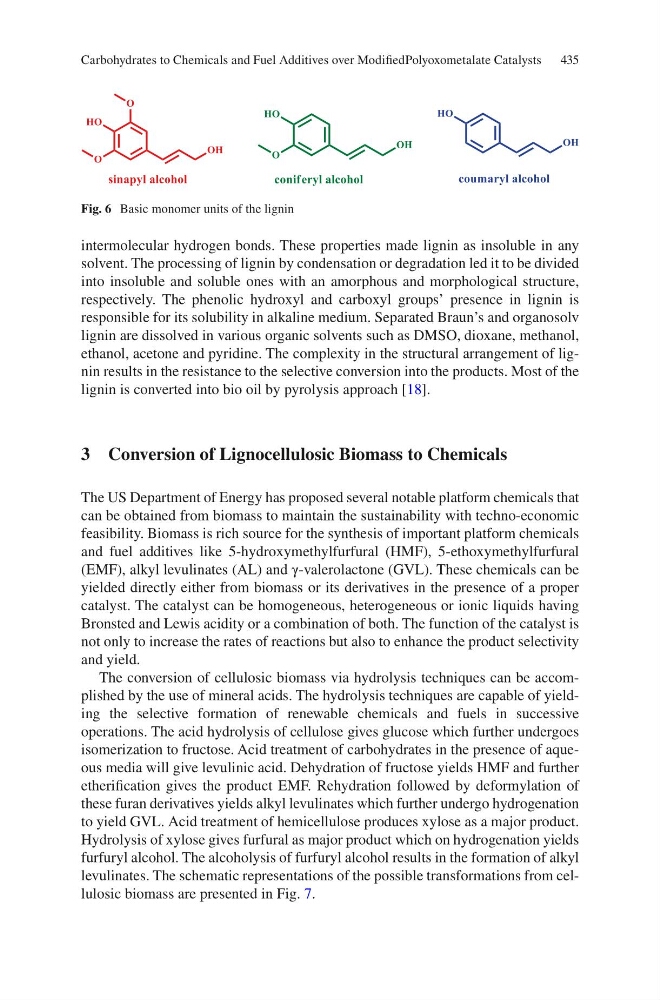
Fig. 6 Basic monomer units of the lignin
Carbohydrates to Chemicals and Fuel Additives over ModifiedPolyoxometalate Catalysts
intermolecular hydrogen bonds. These properties made lignin as insoluble in any
solvent. The processing of lignin by condensation or degradation led it to be divided
into insoluble and soluble ones with an amorphous and morphological structure,
respectively. The phenolic hydroxyl and carboxyl groups’ presence in lignin is
responsible for its solubility in alkaline medium. Separated Braun’s and organosolv
lignin are dissolved in various organic solvents such as DMSO, dioxane, methanol,
ethanol, acetone and pyridine. The complexity in the structural arrangement of lignin results in the resistance to the selective conversion into the products. Most of the
lignin is converted into bio oil by pyrolysis approach [18].
3 Conversion of Lignocellulosic Biomass to Chemicals
The US Department of Energy has proposed several notable platform chemicals that
can be obtained from biomass to maintain the sustainability with techno-economic
feasibility. Biomass is rich source for the synthesis of important platform chemicals
and fuel additives like 5-hydroxymethylfurfural (HMF), 5-ethoxymethylfurfural
(EMF), alkyl levulinates (AL) and γ-valerolactone (GVL). These chemicals can be
yielded directly either from biomass or its derivatives in the presence of a proper
catalyst. The catalyst can be homogeneous, heterogeneous or ionic liquids having
Bronsted and Lewis acidity or a combination of both. The function of the catalyst is
not only to increase the rates of reactions but also to enhance the product selectivity
and yield.
The conversion of cellulosic biomass via hydrolysis techniques can be accomplished by the use of mineral acids. The hydrolysis techniques are capable of yielding the selective formation of renewable chemicals and fuels in successive
operations. The acid hydrolysis of cellulose gives glucose which further undergoes
isomerization to fructose. Acid treatment of carbohydrates in the presence of aqueous media will give levulinic acid. Dehydration of fructose yields HMF and further
etherification gives the product EMF. Rehydration followed by deformylation of
these furan derivatives yields alkyl levulinates which further undergo hydrogenation
to yield GVL. Acid treatment of hemicellulose produces xylose as a major product.
Hydrolysis of xylose gives furfural as major product which on hydrogenation yields
furfuryl alcohol. The alcoholysis of furfuryl alcohol results in the formation of alkyl
levulinates. The schematic representations of the possible transformations from cellulosic biomass are presented in Fig. 7.
Fig. 6 Basic monomer units of the lignin
Carbohydrates to Chemicals and Fuel Additives over ModifiedPolyoxometalate Catalysts