

400
110 °C). A protocol for the facile cleavage of the quinolinyl directing group was
also illustrated (Scheme 30).
Subsequently, the bidentate ligation by the directing groups has been profoundly
utilized for intra- as well as intermolecular amination reactions of aliphatic carboxylic acid amides. While majority of the intramolecular C–N bond-forming reactions
led to β-lactam cores, the intermolecular version provided β-aminated products. For
instance, Shi et al. developed a palladium-catalyzed monoarylation/amidation
sequence for N-protected amino acids delivering chiral α-amino-β-lactam scaffolds
by means of 2-(pyridin-2-yl)isopropyl (PIP) directing group (Scheme 31) [79].
However, the PIP auxiliary cannot be removed from the resulting highly functionalized β-lactam moieties. This has restricted the general synthetic practicality of
this sequential amidation method. When the PIP group was replaced with
8- aminoquinoline, the sequential monoarylation/amidation under a slightly modified catalytic condition also provided similar class of α-amino-β-lactam motifs from
which the directing group can be removed [80]. Thus, upon the ring cleavage, the
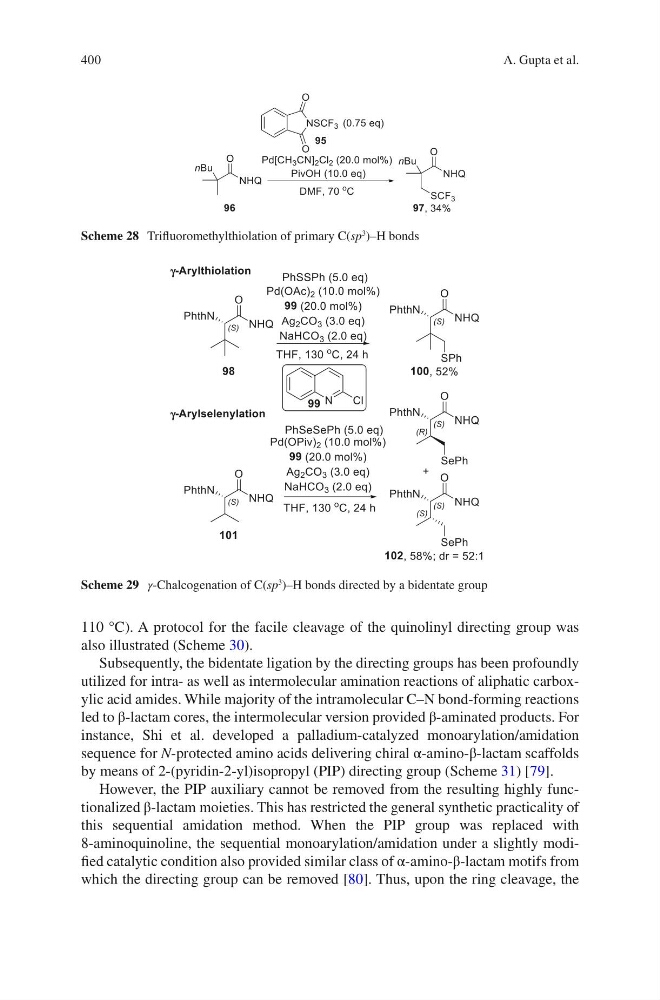
Scheme 28 Trifluoromethylthiolation of primary C(sp
3
)–H bonds
Scheme 29 γ-Chalcogenation of C(sp
3
)–H bonds directed by a bidentate group
A. Gupta et al.
110 °C). A protocol for the facile cleavage of the quinolinyl directing group was
also illustrated (Scheme 30).
Subsequently, the bidentate ligation by the directing groups has been profoundly
utilized for intra- as well as intermolecular amination reactions of aliphatic carboxylic acid amides. While majority of the intramolecular C–N bond-forming reactions
led to β-lactam cores, the intermolecular version provided β-aminated products. For
instance, Shi et al. developed a palladium-catalyzed monoarylation/amidation
sequence for N-protected amino acids delivering chiral α-amino-β-lactam scaffolds
by means of 2-(pyridin-2-yl)isopropyl (PIP) directing group (Scheme 31) [79].
However, the PIP auxiliary cannot be removed from the resulting highly functionalized β-lactam moieties. This has restricted the general synthetic practicality of
this sequential amidation method. When the PIP group was replaced with
8- aminoquinoline, the sequential monoarylation/amidation under a slightly modified catalytic condition also provided similar class of α-amino-β-lactam motifs from
which the directing group can be removed [80]. Thus, upon the ring cleavage, the
Scheme 28 Trifluoromethylthiolation of primary C(sp
3
)–H bonds
Scheme 29 γ-Chalcogenation of C(sp
3
)–H bonds directed by a bidentate group
A. Gupta et al.