

399
All these regioselective β-C(sp
3
)–S bond formations depend on the thermodynamic steadiness of a five-membered metallacycle intermediate. The chalcogenation at γ-position would require an analogous C–H activation strategy that proceeds
through a six-membered metallacycle intermediate and is however challenging due
to constitutional and conformational constraints. A Pd
II
-catalyzed approach was
introduced for the regiospecific γ-thioarylation of aliphatic carboxylic acids controlled by 8-aminoquinoline directing group. This γ-thioarylation technique was
also applied to structurally modify common α-amino acids, e.g., valine, isoleucine,
tert-leucine, etc. A similar mechanism also operates for the arylselenylation of
8-amidoquinolines giving an appropriate entry to selenoether-decked carboxylates
(Scheme 29) [77].
C–N bond formation: Given the abundance of nitrogen-rich aliphatic carboxylic
acid equivalents in natural and synthetic organic compounds, the installation of an
amine-based functional group via C–H bond activation of aliphatic carboxylic acid
precursors under transition metal catalysis has received significant interest. The first
example of a C(sp
3
)-H group activating amination of aliphatic carboxylic acid
amides was mediated by bidentate 8-aminoquinoline (AQ) and 2-pyridylmethyl
amine (PM) directing groups. The amination proceeds intramolecularly at the
γ-position with respect to the directing group under palladium catalysis [78]. Both
AQ and PM directing groups gave comparable outcome; however, slightly higher
temperature was required in the case of using PM as the directing group (90 °C vs.
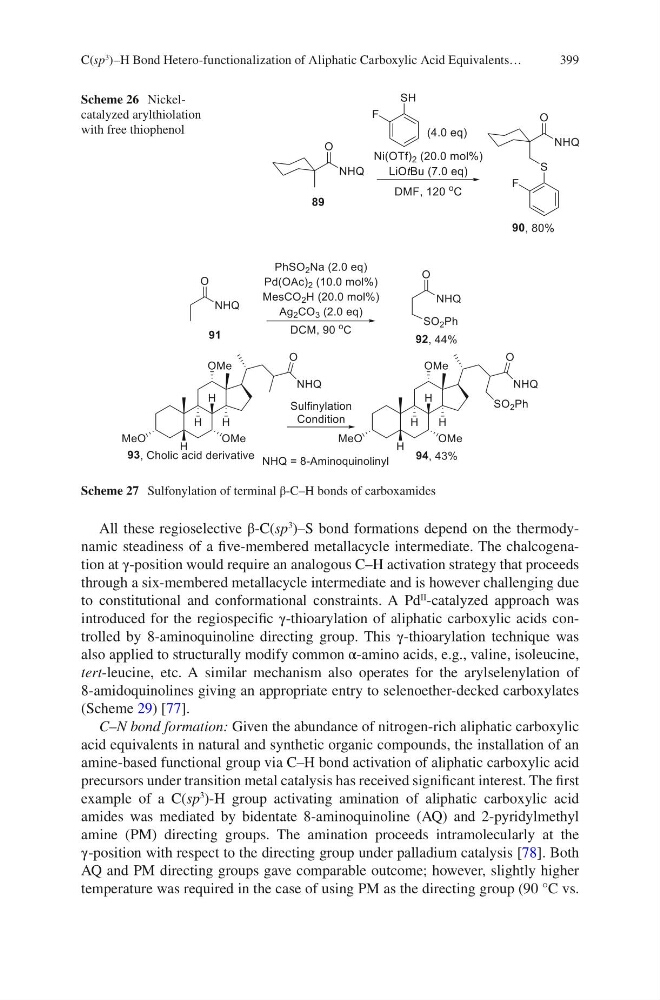
Scheme 26 Nickelcatalyzed arylthiolation
with free thiophenol
Scheme 27 Sulfonylation of terminal β-C–H bonds of carboxamides
C(sp
3
)–H Bond Hetero-functionalization of Aliphatic Carboxylic Acid Equivalents…
All these regioselective β-C(sp
3
)–S bond formations depend on the thermodynamic steadiness of a five-membered metallacycle intermediate. The chalcogenation at γ-position would require an analogous C–H activation strategy that proceeds
through a six-membered metallacycle intermediate and is however challenging due
to constitutional and conformational constraints. A Pd
II
-catalyzed approach was
introduced for the regiospecific γ-thioarylation of aliphatic carboxylic acids controlled by 8-aminoquinoline directing group. This γ-thioarylation technique was
also applied to structurally modify common α-amino acids, e.g., valine, isoleucine,
tert-leucine, etc. A similar mechanism also operates for the arylselenylation of
8-amidoquinolines giving an appropriate entry to selenoether-decked carboxylates
(Scheme 29) [77].
C–N bond formation: Given the abundance of nitrogen-rich aliphatic carboxylic
acid equivalents in natural and synthetic organic compounds, the installation of an
amine-based functional group via C–H bond activation of aliphatic carboxylic acid
precursors under transition metal catalysis has received significant interest. The first
example of a C(sp
3
)-H group activating amination of aliphatic carboxylic acid
amides was mediated by bidentate 8-aminoquinoline (AQ) and 2-pyridylmethyl
amine (PM) directing groups. The amination proceeds intramolecularly at the
γ-position with respect to the directing group under palladium catalysis [78]. Both
AQ and PM directing groups gave comparable outcome; however, slightly higher
temperature was required in the case of using PM as the directing group (90 °C vs.
Scheme 26 Nickelcatalyzed arylthiolation
with free thiophenol
Scheme 27 Sulfonylation of terminal β-C–H bonds of carboxamides
C(sp
3
)–H Bond Hetero-functionalization of Aliphatic Carboxylic Acid Equivalents…