

328
3.2.1 History of FDCA Synthesis
FDCA was first produced from the dehydration of mucic acid in the presence of
strong acid (48% HBr) by Fitting et al. This conversion is industrially un-attractive
due to high cost of starting material, long reaction time and relatively high reaction
temperature. Further, a process was developed from xylose-derived furfural.
Unfortunately, this pathway was also aborted due to the multistep synthesis including a number of intermediates (Scheme 18). Thus, the researchers strived to look for
the alternative, efficient and economical pathway for the production of FDCA [145].
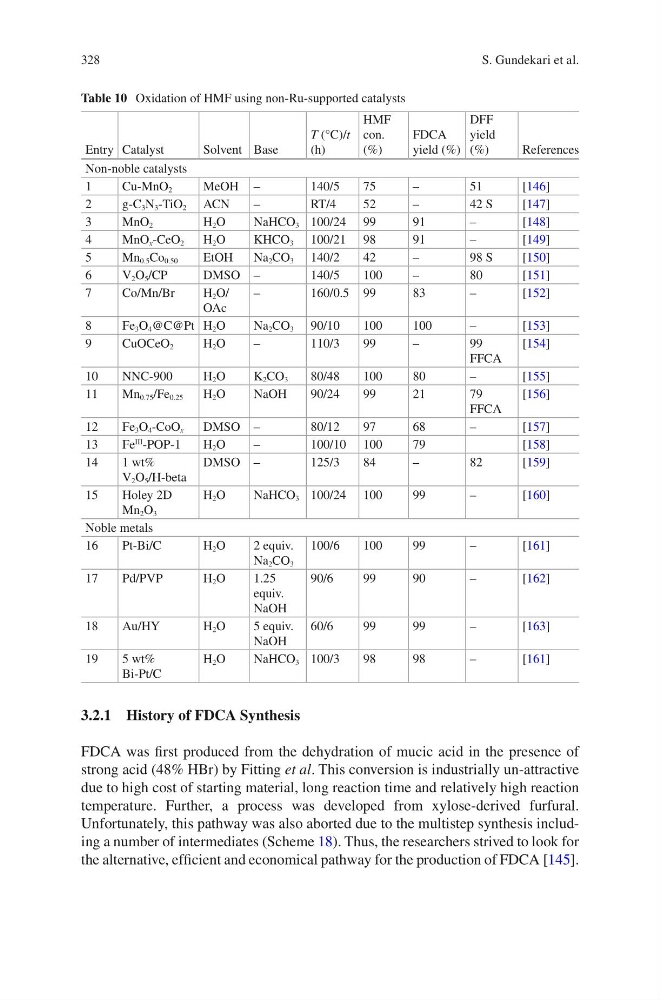
Table 10 Oxidation of HMF using non-Ru-supported catalysts
Entry Catalyst
Solvent Base
T (°C)/t
(h)
HMF
con.
(%)
FDCA
yield (%)
DFF
yield
(%)
References
Non-noble catalysts
1
Cu-MnO 2
MeOH –
140/5
75
–
51
[146]
2
g-C 3 N 3 -TiO 2 ACN
–
RT/4
52
–
42 S
[147]
3
MnO 2
H 2 O
NaHCO 3 100/24 99
91
–
[148]
4
MnO x -CeO 2
H 2 O
KHCO 3 100/21 98
91
–
[149]
5
Mn 0.5 Co 0.50
EtOH
Na 2 CO 3 140/2
42
–
98 S
[150]
6
V 2 O 5 /CP
DMSO –
140/5
100
–
80
[151]
7
Co/Mn/Br
H 2 O/
OAc
–
160/0.5 99
83
–
[152]
8
Fe 3 O 4 @C@Pt H 2 O
Na 2 CO 3 90/10
100
100
–
[153]
9
CuOCeO 2
H 2 O
–
110/3
99
–
99
FFCA
[154]
10
NNC-900
H 2 O
K 2 CO 3
80/48
100
80
–
[155]
11
Mn 0.75 /Fe 0.25
H 2 O
NaOH
90/24
99
21
79
FFCA
[156]
12
Fe 3 O 4 -CoO x
DMSO –
80/12
97
68
–
[157]
13
Fe
III
-POP-1
H 2 O
–
100/10 100
79
[158]
14
1 wt%
V 2 O 5 /H-beta
DMSO –
125/3
84
–
82
[159]
15
Holey 2D
Mn 2 O 3
H 2 O
NaHCO 3 100/24 100
99
–
[160]
Noble metals
16
Pt-Bi/C
H 2 O
2 equiv.
Na 2 CO 3
100/6
100
99
–
[161]
17
Pd/PVP
H 2 O
1.25
equiv.
NaOH
90/6
99
90
–
[162]
18
Au/HY
H 2 O
5 equiv.
NaOH
60/6
99
99
–
[163]
19
5 wt%
Bi-Pt/C
H 2 O
NaHCO 3 100/3
98
98
–
[161]
S. Gundekari et al.
3.2.1 History of FDCA Synthesis
FDCA was first produced from the dehydration of mucic acid in the presence of
strong acid (48% HBr) by Fitting et al. This conversion is industrially un-attractive
due to high cost of starting material, long reaction time and relatively high reaction
temperature. Further, a process was developed from xylose-derived furfural.
Unfortunately, this pathway was also aborted due to the multistep synthesis including a number of intermediates (Scheme 18). Thus, the researchers strived to look for
the alternative, efficient and economical pathway for the production of FDCA [145].
Table 10 Oxidation of HMF using non-Ru-supported catalysts
Entry Catalyst
Solvent Base
T (°C)/t
(h)
HMF
con.
(%)
FDCA
yield (%)
DFF
yield
(%)
References
Non-noble catalysts
1
Cu-MnO 2
MeOH –
140/5
75
–
51
[146]
2
g-C 3 N 3 -TiO 2 ACN
–
RT/4
52
–
42 S
[147]
3
MnO 2
H 2 O
NaHCO 3 100/24 99
91
–
[148]
4
MnO x -CeO 2
H 2 O
KHCO 3 100/21 98
91
–
[149]
5
Mn 0.5 Co 0.50
EtOH
Na 2 CO 3 140/2
42
–
98 S
[150]
6
V 2 O 5 /CP
DMSO –
140/5
100
–
80
[151]
7
Co/Mn/Br
H 2 O/
OAc
–
160/0.5 99
83
–
[152]
8
Fe 3 O 4 @C@Pt H 2 O
Na 2 CO 3 90/10
100
100
–
[153]
9
CuOCeO 2
H 2 O
–
110/3
99
–
99
FFCA
[154]
10
NNC-900
H 2 O
K 2 CO 3
80/48
100
80
–
[155]
11
Mn 0.75 /Fe 0.25
H 2 O
NaOH
90/24
99
21
79
FFCA
[156]
12
Fe 3 O 4 -CoO x
DMSO –
80/12
97
68
–
[157]
13
Fe
III
-POP-1
H 2 O
–
100/10 100
79
[158]
14
1 wt%
V 2 O 5 /H-beta
DMSO –
125/3
84
–
82
[159]
15
Holey 2D
Mn 2 O 3
H 2 O
NaHCO 3 100/24 100
99
–
[160]
Noble metals
16
Pt-Bi/C
H 2 O
2 equiv.
Na 2 CO 3
100/6
100
99
–
[161]
17
Pd/PVP
H 2 O
1.25
equiv.
NaOH
90/6
99
90
–
[162]
18
Au/HY
H 2 O
5 equiv.
NaOH
60/6
99
99
–
[163]
19
5 wt%
Bi-Pt/C
H 2 O
NaHCO 3 100/3
98
98
–
[161]
S. Gundekari et al.