

40 Ar/
39 Ar radiometric method (Kuiper et al. 2008). As
mentioned above, this way of establishing age scales, or
cyclostratigraphy, makes it possible to achieve a level of
precision far superior to the usual radiometric methods, the
uncertainties of which increase as we go back in time.
The chronology is thus often the first point of interest
when identifying astronomical cycles in old sedimentary
series. The most famous example of cyclicity found in
geological recordings concerns the alternating marllimestone series. As early as the end of the nineteenth century, Gilbert suggested that these sedimentary successions
from the Cretaceous, which he studied in the limestone
formations of the Green River in Colorado, were probably
caused by astronomical changes. Extrapolating from the
limited outcrops that he had at his disposal, he assumed that
they were linked to the precession cycles, which led him to
?
?
?
C3An.1n
C3Bn
7.2
7.1
7.0
6.9
6.8
6.7
6.6
6.5
6.4
6.3
6.2
6.1
6.0
summer 65°N
La2004 (1,1)
Age (in Ma)
min
max
Messâdit
(Maroc)
ME24
ME19
ME17
ME15
ME13
ME11
ME9
ME7
ME5
ME3
ME1
ME25
ME26
ME28
ME31
ME35
ME32
ME22
ME16
ME14
ME18
ME20
ME12
ME2
ME4
ME6
ME8
ME10
0
4m
+ + + + + + + + + +
Mes-2
Mes-1
Mes-4
+ + + + + + + + + +
Mes-3
+ + + + + + + + + +
Mes-6
+ + + + + + + + + +
Mes-5
+ + + + + + + + + +
Mes-7
Mes-8
Mes-9
+ + + + + + + + + +
Mes-10
+ + + + + + + + + +
Mes-11
+ + + + + + + + + +
Mes-13
+ + + + + + + + + +
Mes-14
Mes-12
+ + + + + + + + + +
Mes-16
+ + + + + + + + + +
Mes-17
+ + + + + + + + + +
Mes-18
+ + + + + + + + + +
Mes-19
Mes-15
Sorbas / Nijar basin
(Espagne) composite
LA17
LA18
LA19
LA20
LA10
LA11
LA12
LA13
LA14
LA15
LA16
LA9
LA1
LA2
LA3
LA4
LA5
LA6
LA7
LA8
UA1
UA8
UA7
UA6
UA5
UA4
UA2
UA3
UA15
UA14
UA13
UA12
UA11
UA10
UA9
UA21
UA20
UA19
UA18
UA17
UA16
UA31
UA32
UA33
UA34
UA28
UA29
UA30
UA24
UA25
UA26
UA22
+ + + + + + + + + +
A1.1
+ + + + + + + + + +
A1.2
+ + + + + + + + + +
A1.3
Diatomite/Laminite
Dark blue clay
Evaporites
Marls
Lithology
Tephras
Sapropel
Halimeda-algae packstone
Mes-1
Mes-8
Mes-9
Mes-11
Mes-12
Mes-14
± 2 σ
analytic error
BGC
VU
C3An.2n
Mes-4
40
Ar/
39 Ar
Ages
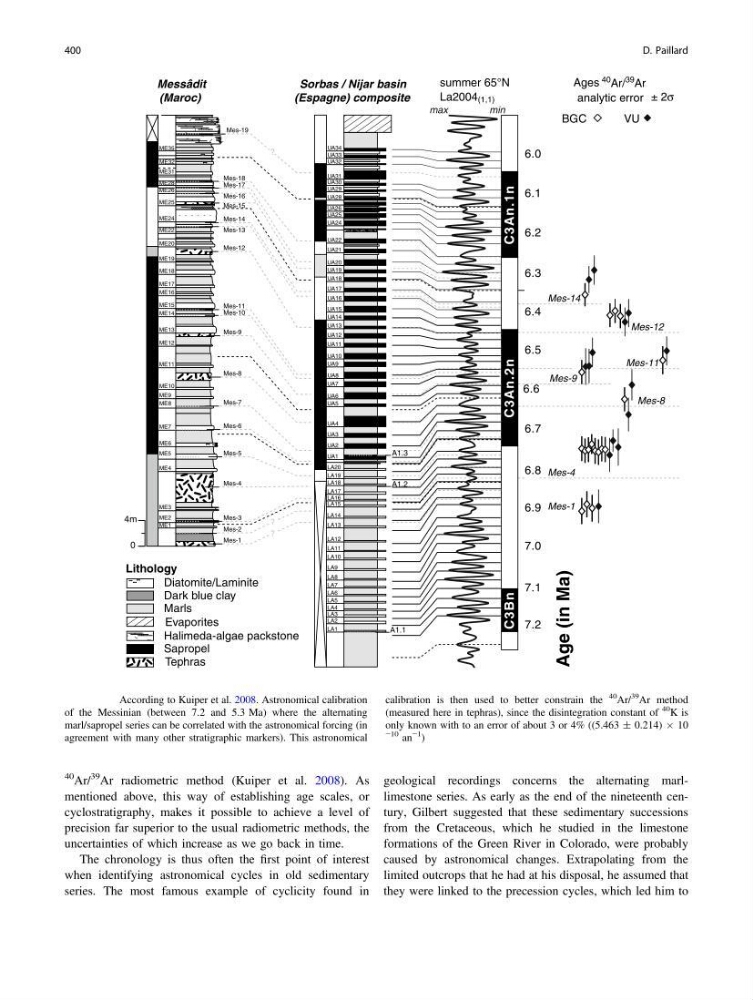
Fig. 28.10 According to Kuiper et al. 2008. Astronomical calibration
of the Messinian (between 7.2 and 5.3 Ma) where the alternating
marl/sapropel series can be correlated with the astronomical forcing (in
agreement with many other stratigraphic markers). This astronomical
calibration is then used to better constrain the
40
Ar/
39
Ar method
(measured here in tephras), since the disintegration constant of
40
K is
only known with to an error of about 3 or 4% ((5.463 ± 0.214) Â 10
−10 an
−1
)
400
D. Paillard
39 Ar radiometric method (Kuiper et al. 2008). As
mentioned above, this way of establishing age scales, or
cyclostratigraphy, makes it possible to achieve a level of
precision far superior to the usual radiometric methods, the
uncertainties of which increase as we go back in time.
The chronology is thus often the first point of interest
when identifying astronomical cycles in old sedimentary
series. The most famous example of cyclicity found in
geological recordings concerns the alternating marllimestone series. As early as the end of the nineteenth century, Gilbert suggested that these sedimentary successions
from the Cretaceous, which he studied in the limestone
formations of the Green River in Colorado, were probably
caused by astronomical changes. Extrapolating from the
limited outcrops that he had at his disposal, he assumed that
they were linked to the precession cycles, which led him to
?
?
?
C3An.1n
C3Bn
7.2
7.1
7.0
6.9
6.8
6.7
6.6
6.5
6.4
6.3
6.2
6.1
6.0
summer 65°N
La2004 (1,1)
Age (in Ma)
min
max
Messâdit
(Maroc)
ME24
ME19
ME17
ME15
ME13
ME11
ME9
ME7
ME5
ME3
ME1
ME25
ME26
ME28
ME31
ME35
ME32
ME22
ME16
ME14
ME18
ME20
ME12
ME2
ME4
ME6
ME8
ME10
0
4m
+ + + + + + + + + +
Mes-2
Mes-1
Mes-4
+ + + + + + + + + +
Mes-3
+ + + + + + + + + +
Mes-6
+ + + + + + + + + +
Mes-5
+ + + + + + + + + +
Mes-7
Mes-8
Mes-9
+ + + + + + + + + +
Mes-10
+ + + + + + + + + +
Mes-11
+ + + + + + + + + +
Mes-13
+ + + + + + + + + +
Mes-14
Mes-12
+ + + + + + + + + +
Mes-16
+ + + + + + + + + +
Mes-17
+ + + + + + + + + +
Mes-18
+ + + + + + + + + +
Mes-19
Mes-15
Sorbas / Nijar basin
(Espagne) composite
LA17
LA18
LA19
LA20
LA10
LA11
LA12
LA13
LA14
LA15
LA16
LA9
LA1
LA2
LA3
LA4
LA5
LA6
LA7
LA8
UA1
UA8
UA7
UA6
UA5
UA4
UA2
UA3
UA15
UA14
UA13
UA12
UA11
UA10
UA9
UA21
UA20
UA19
UA18
UA17
UA16
UA31
UA32
UA33
UA34
UA28
UA29
UA30
UA24
UA25
UA26
UA22
+ + + + + + + + + +
A1.1
+ + + + + + + + + +
A1.2
+ + + + + + + + + +
A1.3
Diatomite/Laminite
Dark blue clay
Evaporites
Marls
Lithology
Tephras
Sapropel
Halimeda-algae packstone
Mes-1
Mes-8
Mes-9
Mes-11
Mes-12
Mes-14
± 2 σ
analytic error
BGC
VU
C3An.2n
Mes-4
40
Ar/
39 Ar
Ages
Fig. 28.10 According to Kuiper et al. 2008. Astronomical calibration
of the Messinian (between 7.2 and 5.3 Ma) where the alternating
marl/sapropel series can be correlated with the astronomical forcing (in
agreement with many other stratigraphic markers). This astronomical
calibration is then used to better constrain the
40
Ar/
39
Ar method
(measured here in tephras), since the disintegration constant of
40
K is
only known with to an error of about 3 or 4% ((5.463 ± 0.214) Â 10
−10 an
−1
)
400
D. Paillard