

the spinels showed that the meteorite had the chemical
composition of carbon chondrites, with the particularity of
being very rich in sulfur. The impact of such a collision was
considerable. This impact, out of all proportion with current
observations, is difficult to simulate because of the extent of
the disturbance to the chemistry of the atmosphere. Thus, the
simulations are based on assumptions made in the context of
studies on a ‘nuclear winter’, where climatologists have
calculated the impact on the global climate of a large-scale
nuclear conflict. This can only be considered to be a very
simplified approach.
The collision of a meteorite with the Earth has many
consequences, although it is difficult to quantify them
precisely:
• it releases an enormous quantity of aerosols (sulfates,
nitrates) which reach the upper atmosphere where they
can remain for several years;
• the aerosols cause an attenuation of about 50% of the
solar radiation, resulting in a cooling of about ten degrees
on the ground for a decade. Agronomists estimate that
half the vegetation of the northern hemisphere could have
been killed in the first years;
• the disruption is greatest if the impact occurs in the spring
when the vegetation most needs solar radiation;
• an enormous quantity of water vapor is emitted into the
atmosphere, which becomes charged with nitrates and
sulfates, and falls back in the form of highly acid rain,
toxic to plants;
• finally, chondrites contain many toxic heavy metals,
particularly nickel, which inhibits chlorophyll activity.
We are obviously far from a full comprehension of all the
events that marked the end of the Cretaceous, with the disappearance of many animal and vegetal species. Continental
sediments testify to the appearance of widespread fires and
to the pioneering return of the ferns, the most resistant of
plants and the first to colonize the areas devastated by fire. In
the ocean, sedimentological, biological and geochemical
data show a considerable decrease in primary production by
algae; this only returned to its former level after about five or
six million years.
It is likely that the collision with the meteorite and fumes
from the Deccan fissures both contributed to the major
changes in the environment that marked the KT boundary,
the first event through considerable sudden effects lasting
several years and the second through geochemical effects
that persisted over long periods relative to the time constants
of the biosphere.
The Paleocene–Eocene Thermal Maximum (PETM)
The destabilization of methane hydrates (very active greenhouse gases) in sediments can cause climate fluctuations
over short timescales (10
5 years). Several events of this type
have been identified during the Phanerozoic, but the best
documented is located at the Paleocene-Eocene transition. In
the space of 20 000 years (Fig. 27.16), the d
13 C of the ocean
decreased by 3‰, before returning to its initial value 240
000 years later (McInerney and Wing 2011). Over the same
time, the temperature of the deep ocean waters increased
from 5 to 7 °C. Similarly, a warming of 8 °C of surface
waters was recorded. This warming is attributed to a sudden
destabilization of methane hydrates in ocean sediments
(Dickens 2003). The methane released by sediments is
characterized by a d
13 C of −60‰. As a result, a flow of 2500
Gt of carbon spread over 20,000 years is sufficient to explain
the observed isotopic excursion. This event caused a significant but temporary warming of the atmosphere. The d
13 C
excursion is then reabsorbed over 200,000 years by the
‘conventional’ processes of the carbon cycle: continental
weathering and sequestration in sediments.
The reason for the destabilization of the gas hydrates has
yet to be explained. These can be released into the ocean and
atmosphere if the water temperature rises or the pressure
decreases. For example, regional eruptions occurred in the
North Atlantic 55 Ma ago, shortly before the PETM
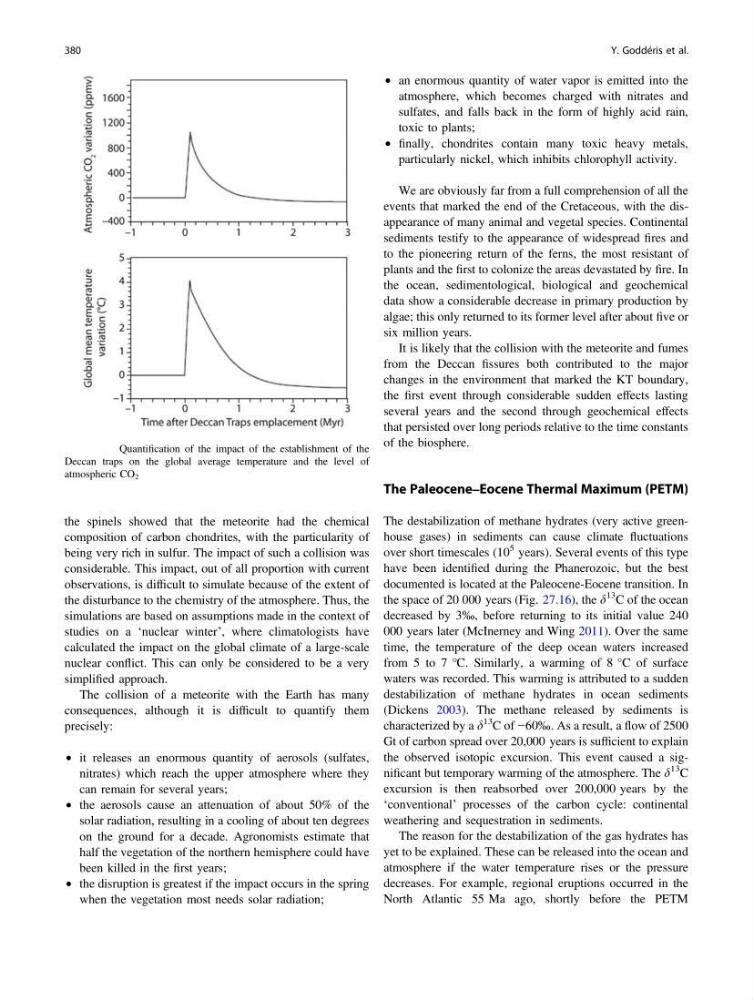
Fig. 27.15 Quantification of the impact of the establishment of the
Deccan traps on the global average temperature and the level of
atmospheric CO 2
380
Y. Goddéris et al.
composition of carbon chondrites, with the particularity of
being very rich in sulfur. The impact of such a collision was
considerable. This impact, out of all proportion with current
observations, is difficult to simulate because of the extent of
the disturbance to the chemistry of the atmosphere. Thus, the
simulations are based on assumptions made in the context of
studies on a ‘nuclear winter’, where climatologists have
calculated the impact on the global climate of a large-scale
nuclear conflict. This can only be considered to be a very
simplified approach.
The collision of a meteorite with the Earth has many
consequences, although it is difficult to quantify them
precisely:
• it releases an enormous quantity of aerosols (sulfates,
nitrates) which reach the upper atmosphere where they
can remain for several years;
• the aerosols cause an attenuation of about 50% of the
solar radiation, resulting in a cooling of about ten degrees
on the ground for a decade. Agronomists estimate that
half the vegetation of the northern hemisphere could have
been killed in the first years;
• the disruption is greatest if the impact occurs in the spring
when the vegetation most needs solar radiation;
• an enormous quantity of water vapor is emitted into the
atmosphere, which becomes charged with nitrates and
sulfates, and falls back in the form of highly acid rain,
toxic to plants;
• finally, chondrites contain many toxic heavy metals,
particularly nickel, which inhibits chlorophyll activity.
We are obviously far from a full comprehension of all the
events that marked the end of the Cretaceous, with the disappearance of many animal and vegetal species. Continental
sediments testify to the appearance of widespread fires and
to the pioneering return of the ferns, the most resistant of
plants and the first to colonize the areas devastated by fire. In
the ocean, sedimentological, biological and geochemical
data show a considerable decrease in primary production by
algae; this only returned to its former level after about five or
six million years.
It is likely that the collision with the meteorite and fumes
from the Deccan fissures both contributed to the major
changes in the environment that marked the KT boundary,
the first event through considerable sudden effects lasting
several years and the second through geochemical effects
that persisted over long periods relative to the time constants
of the biosphere.
The Paleocene–Eocene Thermal Maximum (PETM)
The destabilization of methane hydrates (very active greenhouse gases) in sediments can cause climate fluctuations
over short timescales (10
5 years). Several events of this type
have been identified during the Phanerozoic, but the best
documented is located at the Paleocene-Eocene transition. In
the space of 20 000 years (Fig. 27.16), the d
13 C of the ocean
decreased by 3‰, before returning to its initial value 240
000 years later (McInerney and Wing 2011). Over the same
time, the temperature of the deep ocean waters increased
from 5 to 7 °C. Similarly, a warming of 8 °C of surface
waters was recorded. This warming is attributed to a sudden
destabilization of methane hydrates in ocean sediments
(Dickens 2003). The methane released by sediments is
characterized by a d
13 C of −60‰. As a result, a flow of 2500
Gt of carbon spread over 20,000 years is sufficient to explain
the observed isotopic excursion. This event caused a significant but temporary warming of the atmosphere. The d
13 C
excursion is then reabsorbed over 200,000 years by the
‘conventional’ processes of the carbon cycle: continental
weathering and sequestration in sediments.
The reason for the destabilization of the gas hydrates has
yet to be explained. These can be released into the ocean and
atmosphere if the water temperature rises or the pressure
decreases. For example, regional eruptions occurred in the
North Atlantic 55 Ma ago, shortly before the PETM
Fig. 27.15 Quantification of the impact of the establishment of the
Deccan traps on the global average temperature and the level of
atmospheric CO 2
380
Y. Goddéris et al.