

(close to the current value), O 2 reached a pressure close to
30% of the total pressure of the atmosphere at ground level.
The End of the Paleozoic
The end of the Paleozoic is marked by the exit from the
Permo-Carboniferous glaciation. The climate of the end of
Permian is a much drier and warmer climate.
The transition from a cold mode to a warm mode is
triggered during the final aggregation of the Pangea in the
middle of the Permian. The formation of a supercontinent
reduced the amount of precipitation on the continents, which
partially inhibited the consumption of CO 2 by silicate
weathering. In response to this imbalance between the volcanic source of CO 2 and the sinks through weathering and
deposition of carbonates, atmospheric CO 2 accumulated,
heating the system until the increased weathering due to
increasing temperature compensated for the lack of precipitation, restoring the balance between sources and sinks of
CO 2 . This era is explored by much more powerful numerical
models than the simple models used for the Paleozoic. The
use of atmospheric general circulation models coupled with
biogeochemical cycle models allows a more detailed
investigation of the role of paleogeography.
Simulations carried out by atmospheric general circulation models coupled with biogeochemical cycle models
calculate that 250 Ma ago, CO 2 pressure was only
2400 ppmv in response to the coming together of Pangea
(Donnadieu et al. 2006) and that continental temperatures
reached 19 °C on average. By comparison, today, a similar
average, strongly influenced by the very cold Antarctic
continent, would be only 6.7 °C. The end of the Permian is
marked by a major negative excursion of the d
13 C of marine
carbonates (−3‰ over about ten million years. See
Fig. 27.5). This is interpreted as indicating a drastic reduction in the sequestration of continental organic carbon in
response to the decline in productivity by the biosphere, due
to a major reduction in precipitation (Berner 2004). Moreover, the end of the Permian is marked by intense volcanic
activity, with the establishment of large fissural eruptions
(traps) in Siberia. These three factors reinforced the global
warming trend from the end of Permian onwards.
The Mesozoic
The three geological stages of the Mesozoic have long been
considered to be typical examples of hot climates, especially
the Cretaceous. Long-term carbon cycle models such as
GEOCARB and all subsequent generations estimate very
high values for atmospheric CO 2 pressure over the entire
Mesoozoic, between 4 and 10 times the current value, supported by strong degassing of the solid Earth (Berner 2004).
The only significant event was the appearance of flowering
plants (angiosperms) in the Cretaceous, thought to further
increase the efficiency of the consumption of atmospheric
CO 2 through silicate weathering. This brought about a significant drop in CO 2 after 130 million years ago.
New perspectives on the climate trends of the Mesozoic
have emerged recently and suggest other important
long-term changes. The first notable feature (Fig. 27.10) is
the steady increase in the d
13 C of carbonate sediments by
about 1‰ from its lowest point in the Jurassic to the middle
Miocene in the Cenozoic (Katz et al. 2005). This increase is
typically explained by an increase in the ratio of organic
carbon to total carbon buried in marine sediments, reaching ±20%, as the dislocation of Pangea increased the surface area available for the accumulation of organic carbon.
Many sedimentological studies show a significant increase in
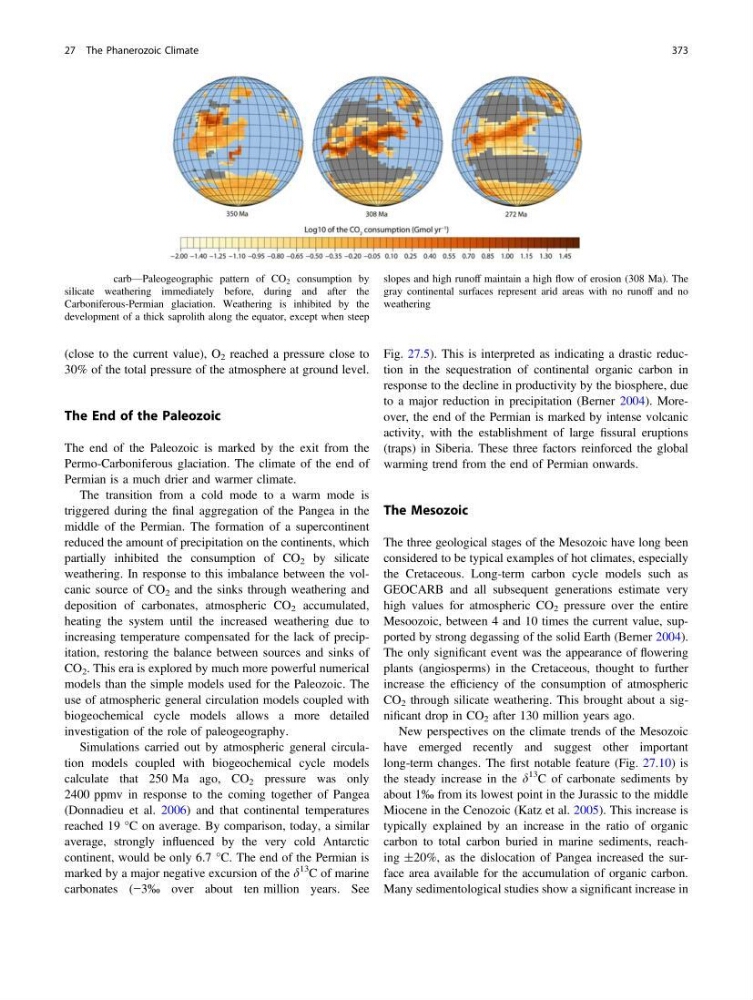
Fig. 27.9 carb—Paleogeographic pattern of CO 2 consumption by
silicate weathering immediately before, during and after the
Carboniferous-Permian glaciation. Weathering is inhibited by the
development of a thick saprolith along the equator, except when steep
slopes and high runoff maintain a high flow of erosion (308 Ma). The
gray continental surfaces represent arid areas with no runoff and no
weathering
27 The Phanerozoic Climate
373
30% of the total pressure of the atmosphere at ground level.
The End of the Paleozoic
The end of the Paleozoic is marked by the exit from the
Permo-Carboniferous glaciation. The climate of the end of
Permian is a much drier and warmer climate.
The transition from a cold mode to a warm mode is
triggered during the final aggregation of the Pangea in the
middle of the Permian. The formation of a supercontinent
reduced the amount of precipitation on the continents, which
partially inhibited the consumption of CO 2 by silicate
weathering. In response to this imbalance between the volcanic source of CO 2 and the sinks through weathering and
deposition of carbonates, atmospheric CO 2 accumulated,
heating the system until the increased weathering due to
increasing temperature compensated for the lack of precipitation, restoring the balance between sources and sinks of
CO 2 . This era is explored by much more powerful numerical
models than the simple models used for the Paleozoic. The
use of atmospheric general circulation models coupled with
biogeochemical cycle models allows a more detailed
investigation of the role of paleogeography.
Simulations carried out by atmospheric general circulation models coupled with biogeochemical cycle models
calculate that 250 Ma ago, CO 2 pressure was only
2400 ppmv in response to the coming together of Pangea
(Donnadieu et al. 2006) and that continental temperatures
reached 19 °C on average. By comparison, today, a similar
average, strongly influenced by the very cold Antarctic
continent, would be only 6.7 °C. The end of the Permian is
marked by a major negative excursion of the d
13 C of marine
carbonates (−3‰ over about ten million years. See
Fig. 27.5). This is interpreted as indicating a drastic reduction in the sequestration of continental organic carbon in
response to the decline in productivity by the biosphere, due
to a major reduction in precipitation (Berner 2004). Moreover, the end of the Permian is marked by intense volcanic
activity, with the establishment of large fissural eruptions
(traps) in Siberia. These three factors reinforced the global
warming trend from the end of Permian onwards.
The Mesozoic
The three geological stages of the Mesozoic have long been
considered to be typical examples of hot climates, especially
the Cretaceous. Long-term carbon cycle models such as
GEOCARB and all subsequent generations estimate very
high values for atmospheric CO 2 pressure over the entire
Mesoozoic, between 4 and 10 times the current value, supported by strong degassing of the solid Earth (Berner 2004).
The only significant event was the appearance of flowering
plants (angiosperms) in the Cretaceous, thought to further
increase the efficiency of the consumption of atmospheric
CO 2 through silicate weathering. This brought about a significant drop in CO 2 after 130 million years ago.
New perspectives on the climate trends of the Mesozoic
have emerged recently and suggest other important
long-term changes. The first notable feature (Fig. 27.10) is
the steady increase in the d
13 C of carbonate sediments by
about 1‰ from its lowest point in the Jurassic to the middle
Miocene in the Cenozoic (Katz et al. 2005). This increase is
typically explained by an increase in the ratio of organic
carbon to total carbon buried in marine sediments, reaching ±20%, as the dislocation of Pangea increased the surface area available for the accumulation of organic carbon.
Many sedimentological studies show a significant increase in
Fig. 27.9 carb—Paleogeographic pattern of CO 2 consumption by
silicate weathering immediately before, during and after the
Carboniferous-Permian glaciation. Weathering is inhibited by the
development of a thick saprolith along the equator, except when steep
slopes and high runoff maintain a high flow of erosion (308 Ma). The
gray continental surfaces represent arid areas with no runoff and no
weathering
27 The Phanerozoic Climate
373