

a limiting nutrient for the growth of vegetation on land and
in the ocean, along with other nutrients such as phosphate.
Nitrogen is essential for photosynthesis, which produces
organic carbon. This connects the nitrogen cycle to the
carbon cycle and atmospheric CO 2 concentration, and ultimately connects the nitrogen cycle to climate.
The nitrogen cycle is governed by biochemical reactions
oxidising and reducing nitrogen which can be divided into
three main processes: N 2 -fixation, nitrification and denitrification (Fig. 23.11). These processes take place both in the
ocean and on land.
Although N 2 is very abundant in the atmosphere it cannot
be used in this form by most organisms. N 2 has to be
transformed to a bioavailable—or reactive—form (ammonia
NH 3 or ammonium NH 4
+ ) in order to be usable, a conversion, which requires a lot of energy to break the strong triple
bond of the N 2 molecule. Most N 2 fixation is done by bacteria called diazotrophs, which have a specific enzyme called
nitrogenase which combines gaseous nitrogen with hydrogen to produce ammonia. In the ocean, the main source of
bioavailable nitrogen comes from N 2 -fixation by marine
diazotrophs (cyanobacteria and proteobacteria) which are
mainly present in warm waters in the low latitudes. The
efficiency of N 2 -fixation depends on the environment, in
particular, radiation, temperature, the presence of other
nutrients (such as phosphate and iron), and O 2 concentration.
Smaller marine inputs of bioavailable nitrogen include
atmospheric nitrogen deposition and riverine inputs.
Nitrification by soil or marine bacteria is the oxidation of
ammonia (NH 3 ) into nitrate (NO 3
− ). This oxidation is done
in two separate steps: first the oxidation from NH 3 to nitrite
(NO 2
− ) by ammonia-oxidizing bacteria and archaea. Then
the oxidation of NO 2
− into NO 3
− by nitrite-oxidizing bacteria. Nitrification in the ocean takes place at the lower
boundary of the euphotic zone where photosynthesis is
limited by the low penetration of light, preventing the
assimilation of nitrate by phytoplankton, and where remineralisation of organic matter increases nitrate concentration. In addition to this aerobic oxidation of ammonia into
nitrate, anaerobic nitrification can also take place, called
anammox (anaerobic ammonia oxidation).
Denitrification is the process that reduces NO 3
− to N 2 gas,
releasing it back to the atmosphere. It happens during respiration by anaerobic bacteria in low O 2 conditions, and
removes bioavailable nitrogen from the environment. In the
process, intermediate gases are produced such as N 2 O,
Abrupt events in glacial climate
Data
Mechanisms
0
10
30
20
-10
-20
-30
40 50
DO events between 25ka and 110ka (Ahn and Brook, 2008; Bereiter et al., 2012)
Land
Ocean
-40
60
Bouttes et al., 2012
Schmittner and Galbraith, 2008
Menviel et al., 2008b
1
2
3
Terrestrial biosphere
change
AMOC change
AMOC change
AABW change
Ice cores
4
Menviel et al., 2015
CO 2 change (ppm)
Resulting atm. CO 2
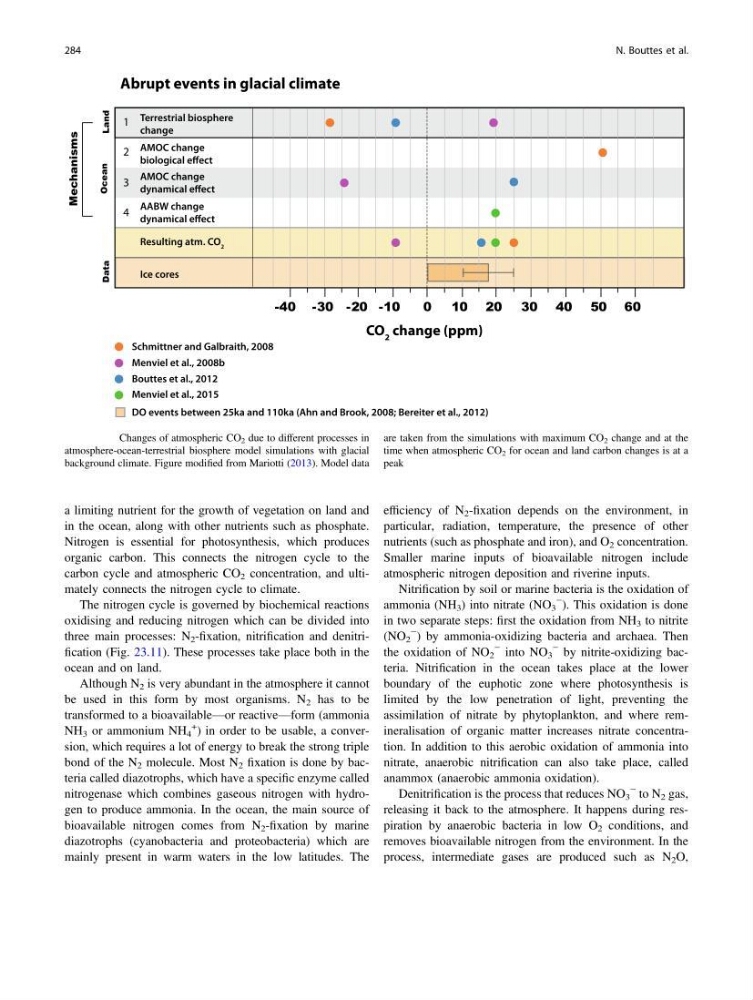
Fig. 23.10 Changes of atmospheric CO 2 due to different processes in
atmosphere-ocean-terrestrial biosphere model simulations with glacial
background climate. Figure modified from Mariotti (2013). Model data
are taken from the simulations with maximum CO 2 change and at the
time when atmospheric CO 2 for ocean and land carbon changes is at a
peak
284
N. Bouttes et al.
in the ocean, along with other nutrients such as phosphate.
Nitrogen is essential for photosynthesis, which produces
organic carbon. This connects the nitrogen cycle to the
carbon cycle and atmospheric CO 2 concentration, and ultimately connects the nitrogen cycle to climate.
The nitrogen cycle is governed by biochemical reactions
oxidising and reducing nitrogen which can be divided into
three main processes: N 2 -fixation, nitrification and denitrification (Fig. 23.11). These processes take place both in the
ocean and on land.
Although N 2 is very abundant in the atmosphere it cannot
be used in this form by most organisms. N 2 has to be
transformed to a bioavailable—or reactive—form (ammonia
NH 3 or ammonium NH 4
+ ) in order to be usable, a conversion, which requires a lot of energy to break the strong triple
bond of the N 2 molecule. Most N 2 fixation is done by bacteria called diazotrophs, which have a specific enzyme called
nitrogenase which combines gaseous nitrogen with hydrogen to produce ammonia. In the ocean, the main source of
bioavailable nitrogen comes from N 2 -fixation by marine
diazotrophs (cyanobacteria and proteobacteria) which are
mainly present in warm waters in the low latitudes. The
efficiency of N 2 -fixation depends on the environment, in
particular, radiation, temperature, the presence of other
nutrients (such as phosphate and iron), and O 2 concentration.
Smaller marine inputs of bioavailable nitrogen include
atmospheric nitrogen deposition and riverine inputs.
Nitrification by soil or marine bacteria is the oxidation of
ammonia (NH 3 ) into nitrate (NO 3
− ). This oxidation is done
in two separate steps: first the oxidation from NH 3 to nitrite
(NO 2
− ) by ammonia-oxidizing bacteria and archaea. Then
the oxidation of NO 2
− into NO 3
− by nitrite-oxidizing bacteria. Nitrification in the ocean takes place at the lower
boundary of the euphotic zone where photosynthesis is
limited by the low penetration of light, preventing the
assimilation of nitrate by phytoplankton, and where remineralisation of organic matter increases nitrate concentration. In addition to this aerobic oxidation of ammonia into
nitrate, anaerobic nitrification can also take place, called
anammox (anaerobic ammonia oxidation).
Denitrification is the process that reduces NO 3
− to N 2 gas,
releasing it back to the atmosphere. It happens during respiration by anaerobic bacteria in low O 2 conditions, and
removes bioavailable nitrogen from the environment. In the
process, intermediate gases are produced such as N 2 O,
Abrupt events in glacial climate
Data
Mechanisms
0
10
30
20
-10
-20
-30
40 50
DO events between 25ka and 110ka (Ahn and Brook, 2008; Bereiter et al., 2012)
Land
Ocean
-40
60
Bouttes et al., 2012
Schmittner and Galbraith, 2008
Menviel et al., 2008b
1
2
3
Terrestrial biosphere
change
AMOC change
AMOC change
AABW change
Ice cores
4
Menviel et al., 2015
CO 2 change (ppm)
Resulting atm. CO 2
Fig. 23.10 Changes of atmospheric CO 2 due to different processes in
atmosphere-ocean-terrestrial biosphere model simulations with glacial
background climate. Figure modified from Mariotti (2013). Model data
are taken from the simulations with maximum CO 2 change and at the
time when atmospheric CO 2 for ocean and land carbon changes is at a
peak
284
N. Bouttes et al.