

348
R. dell’Erba
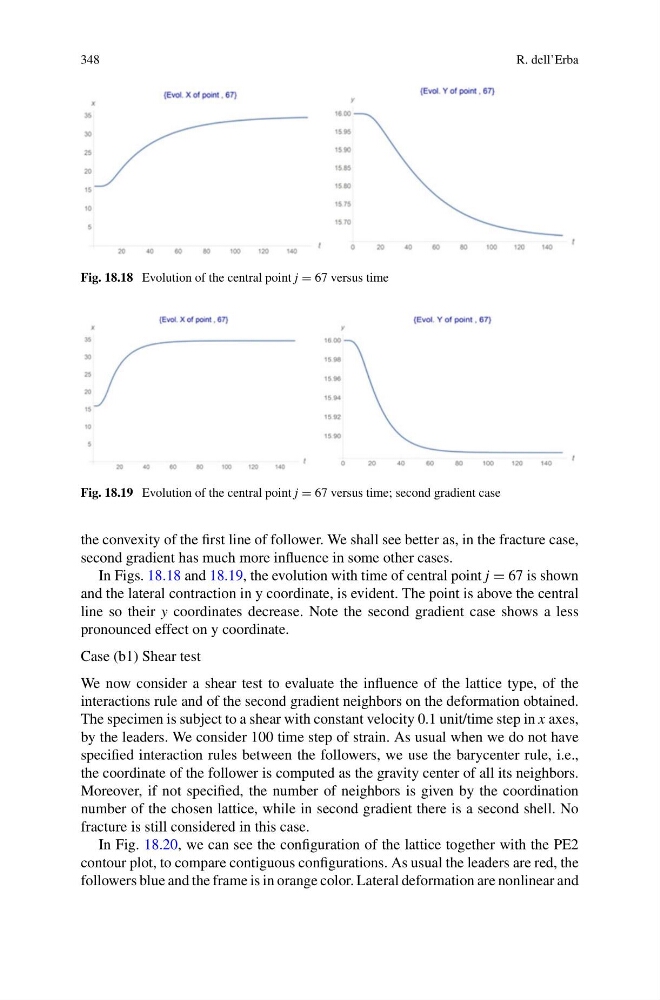
Fig. 18.18 Evolution of the central point j = 67 versus time
Fig. 18.19 Evolution of the central point j = 67 versus time; second gradient case
the convexity of the first line of follower. We shall see better as, in the fracture case,
second gradient has much more influence in some other cases.
In Figs. 18.18 and 18.19, the evolution with time of central point j = 67 is shown
and the lateral contraction in y coordinate, is evident. The point is above the central
line so their y coordinates decrease. Note the second gradient case shows a less
pronounced effect on y coordinate.
Case (b1) Shear test
We now consider a shear test to evaluate the influence of the lattice type, of the
interactions rule and of the second gradient neighbors on the deformation obtained.
The specimen is subject to a shear with constant velocity 0.1 unit/time step in x axes,
by the leaders. We consider 100 time step of strain. As usual when we do not have
specified interaction rules between the followers, we use the barycenter rule, i.e.,
the coordinate of the follower is computed as the gravity center of all its neighbors.
Moreover, if not specified, the number of neighbors is given by the coordination
number of the chosen lattice, while in second gradient there is a second shell. No
fracture is still considered in this case.
In Fig. 18.20, we can see the configuration of the lattice together with the PE2
contour plot, to compare contiguous configurations. As usual the leaders are red, the
followers blue and the frame is in orange color. Lateral deformation are nonlinear and
R. dell’Erba
Fig. 18.18 Evolution of the central point j = 67 versus time
Fig. 18.19 Evolution of the central point j = 67 versus time; second gradient case
the convexity of the first line of follower. We shall see better as, in the fracture case,
second gradient has much more influence in some other cases.
In Figs. 18.18 and 18.19, the evolution with time of central point j = 67 is shown
and the lateral contraction in y coordinate, is evident. The point is above the central
line so their y coordinates decrease. Note the second gradient case shows a less
pronounced effect on y coordinate.
Case (b1) Shear test
We now consider a shear test to evaluate the influence of the lattice type, of the
interactions rule and of the second gradient neighbors on the deformation obtained.
The specimen is subject to a shear with constant velocity 0.1 unit/time step in x axes,
by the leaders. We consider 100 time step of strain. As usual when we do not have
specified interaction rules between the followers, we use the barycenter rule, i.e.,
the coordinate of the follower is computed as the gravity center of all its neighbors.
Moreover, if not specified, the number of neighbors is given by the coordination
number of the chosen lattice, while in second gradient there is a second shell. No
fracture is still considered in this case.
In Fig. 18.20, we can see the configuration of the lattice together with the PE2
contour plot, to compare contiguous configurations. As usual the leaders are red, the
followers blue and the frame is in orange color. Lateral deformation are nonlinear and