

16 Strain Gradient Models for Growing Solid Bodies
293
10000
100000
1000000
1E7
1E-5
1E-4
1E-3
0,01
111
( )
S
Σ (N / m)
H
1
2
111
(m.s)
( )
D
−
g
H
1
2
222
(m.s)
( )
D
−
g
H
100000
1000000
1E7
1E-4
1E-3
0,01
222
( )
S
Σ
H
( N / m)
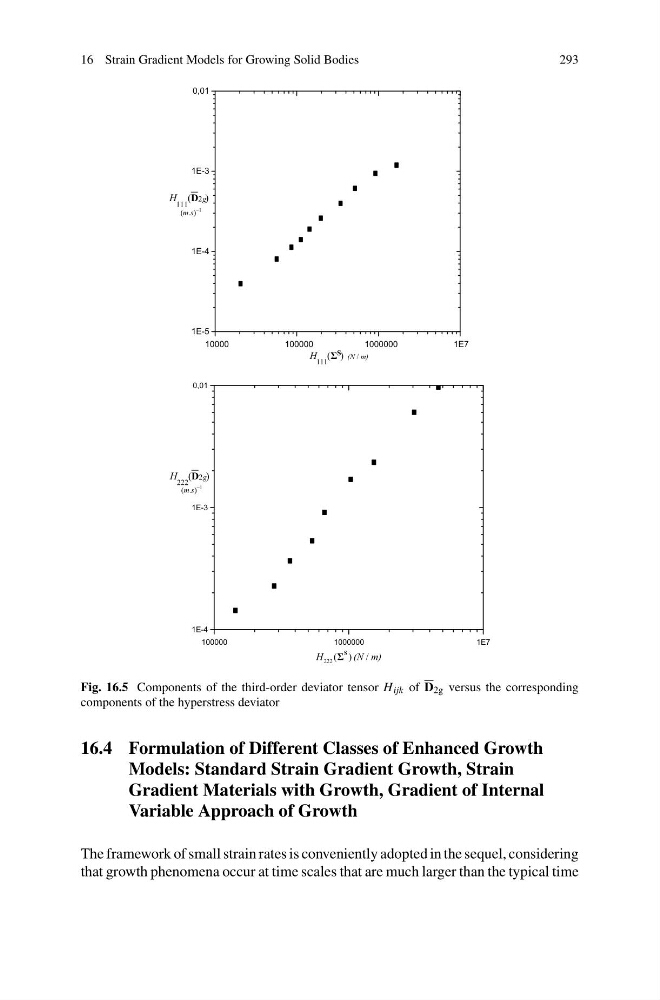
Fig. 16.5 Components of the third-order deviator tensor H ijk of D 2g versus the corresponding
components of the hyperstress deviator
16.4 Formulation of Different Classes of Enhanced Growth
Models: Standard Strain Gradient Growth, Strain
Gradient Materials with Growth, Gradient of Internal
Variable Approach of Growth
The framework of small strain rates is conveniently adopted in the sequel, considering
that growth phenomena occur at time scales that are much larger than the typical time
293
10000
100000
1000000
1E7
1E-5
1E-4
1E-3
0,01
111
( )
S
Σ (N / m)
H
1
2
111
(m.s)
( )
D
−
g
H
1
2
222
(m.s)
( )
D
−
g
H
100000
1000000
1E7
1E-4
1E-3
0,01
222
( )
S
Σ
H
( N / m)
Fig. 16.5 Components of the third-order deviator tensor H ijk of D 2g versus the corresponding
components of the hyperstress deviator
16.4 Formulation of Different Classes of Enhanced Growth
Models: Standard Strain Gradient Growth, Strain
Gradient Materials with Growth, Gradient of Internal
Variable Approach of Growth
The framework of small strain rates is conveniently adopted in the sequel, considering
that growth phenomena occur at time scales that are much larger than the typical time