

196
A. V. Basalin et al.
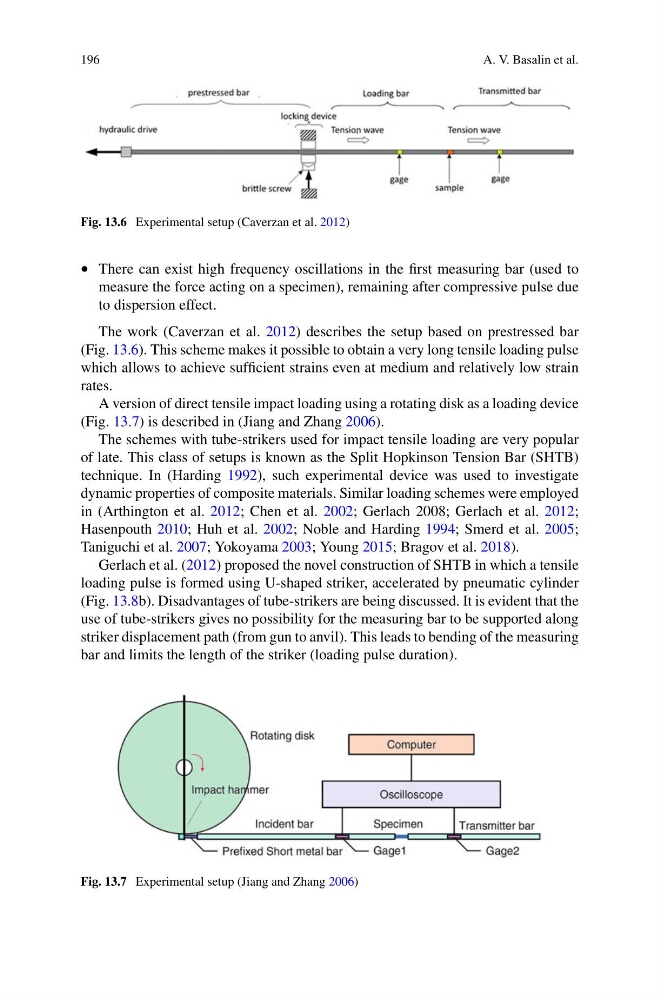
Fig. 13.6 Experimental setup (Caverzan et al. 2012)
• There can exist high frequency oscillations in the first measuring bar (used to
measure the force acting on a specimen), remaining after compressive pulse due
to dispersion effect.
The work (Caverzan et al. 2012) describes the setup based on prestressed bar
(Fig. 13.6). This scheme makes it possible to obtain a very long tensile loading pulse
which allows to achieve sufficient strains even at medium and relatively low strain
rates.
A version of direct tensile impact loading using a rotating disk as a loading device
(Fig. 13.7) is described in (Jiang and Zhang 2006).
The schemes with tube-strikers used for impact tensile loading are very popular
of late. This class of setups is known as the Split Hopkinson Tension Bar (SHTB)
technique. In (Harding 1992), such experimental device was used to investigate
dynamic properties of composite materials. Similar loading schemes were employed
in (Arthington et al. 2012; Chen et al. 2002; Gerlach 2008; Gerlach et al. 2012;
Hasenpouth 2010; Huh et al. 2002; Noble and Harding 1994; Smerd et al. 2005;
Taniguchi et al. 2007; Yokoyama 2003; Young 2015; Bragov et al. 2018).
Gerlach et al. (2012) proposed the novel construction of SHTB in which a tensile
loading pulse is formed using U-shaped striker, accelerated by pneumatic cylinder
(Fig. 13.8b). Disadvantages of tube-strikers are being discussed. It is evident that the
use of tube-strikers gives no possibility for the measuring bar to be supported along
striker displacement path (from gun to anvil). This leads to bending of the measuring
bar and limits the length of the striker (loading pulse duration).
Fig. 13.7 Experimental setup (Jiang and Zhang 2006)
A. V. Basalin et al.
Fig. 13.6 Experimental setup (Caverzan et al. 2012)
• There can exist high frequency oscillations in the first measuring bar (used to
measure the force acting on a specimen), remaining after compressive pulse due
to dispersion effect.
The work (Caverzan et al. 2012) describes the setup based on prestressed bar
(Fig. 13.6). This scheme makes it possible to obtain a very long tensile loading pulse
which allows to achieve sufficient strains even at medium and relatively low strain
rates.
A version of direct tensile impact loading using a rotating disk as a loading device
(Fig. 13.7) is described in (Jiang and Zhang 2006).
The schemes with tube-strikers used for impact tensile loading are very popular
of late. This class of setups is known as the Split Hopkinson Tension Bar (SHTB)
technique. In (Harding 1992), such experimental device was used to investigate
dynamic properties of composite materials. Similar loading schemes were employed
in (Arthington et al. 2012; Chen et al. 2002; Gerlach 2008; Gerlach et al. 2012;
Hasenpouth 2010; Huh et al. 2002; Noble and Harding 1994; Smerd et al. 2005;
Taniguchi et al. 2007; Yokoyama 2003; Young 2015; Bragov et al. 2018).
Gerlach et al. (2012) proposed the novel construction of SHTB in which a tensile
loading pulse is formed using U-shaped striker, accelerated by pneumatic cylinder
(Fig. 13.8b). Disadvantages of tube-strikers are being discussed. It is evident that the
use of tube-strikers gives no possibility for the measuring bar to be supported along
striker displacement path (from gun to anvil). This leads to bending of the measuring
bar and limits the length of the striker (loading pulse duration).
Fig. 13.7 Experimental setup (Jiang and Zhang 2006)