

13 High Strain Rate Tension Experiments Features …
195
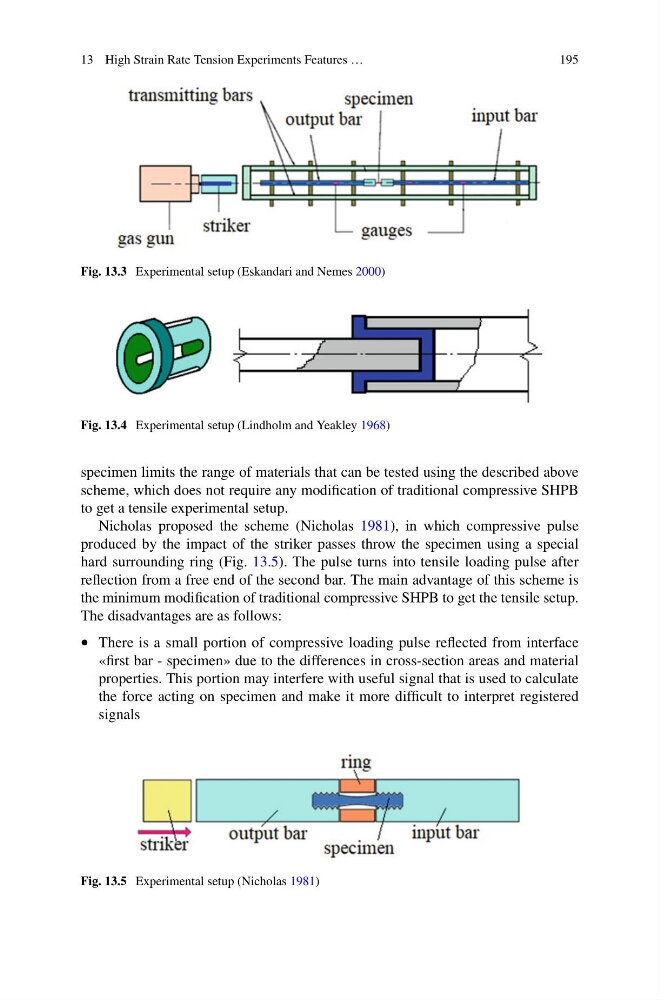
Fig. 13.3 Experimental setup (Eskandari and Nemes 2000)
Fig. 13.4 Experimental setup (Lindholm and Yeakley 1968)
specimen limits the range of materials that can be tested using the described above
scheme, which does not require any modification of traditional compressive SHPB
to get a tensile experimental setup.
Nicholas proposed the scheme (Nicholas 1981), in which compressive pulse
produced by the impact of the striker passes throw the specimen using a special
hard surrounding ring (Fig. 13.5). The pulse turns into tensile loading pulse after
reflection from a free end of the second bar. The main advantage of this scheme is
the minimum modification of traditional compressive SHPB to get the tensile setup.
The disadvantages are as follows:
• There is a small portion of compressive loading pulse reflected from interface
«first bar - specimen» due to the differences in cross-section areas and material
properties. This portion may interfere with useful signal that is used to calculate
the force acting on specimen and make it more difficult to interpret registered
signals
Fig. 13.5 Experimental setup (Nicholas 1981)
195
Fig. 13.3 Experimental setup (Eskandari and Nemes 2000)
Fig. 13.4 Experimental setup (Lindholm and Yeakley 1968)
specimen limits the range of materials that can be tested using the described above
scheme, which does not require any modification of traditional compressive SHPB
to get a tensile experimental setup.
Nicholas proposed the scheme (Nicholas 1981), in which compressive pulse
produced by the impact of the striker passes throw the specimen using a special
hard surrounding ring (Fig. 13.5). The pulse turns into tensile loading pulse after
reflection from a free end of the second bar. The main advantage of this scheme is
the minimum modification of traditional compressive SHPB to get the tensile setup.
The disadvantages are as follows:
• There is a small portion of compressive loading pulse reflected from interface
«first bar - specimen» due to the differences in cross-section areas and material
properties. This portion may interfere with useful signal that is used to calculate
the force acting on specimen and make it more difficult to interpret registered
signals
Fig. 13.5 Experimental setup (Nicholas 1981)