

5 Conclusions
The use of pincer ligands in metal complexes allows a large number of different
reactivities, many of which were previously unknown. This is particularly true for
nitriles and α,β-unsaturated nitriles that can react in different ways with these
complexes. Pincer complexes have been used extensively for hydrogenation reactions of nitriles to the amines, but also to the imines. Here, the classical Noyori-type
metal-ligand cooperativity mechanism is often operative. Many catalysts, particularly cationic complexes, can activate the nitriles by functioning as Lewis acid,
which makes the α-proton quite acidic leading to the formation of a metal ketenimide
complex allowing C-C bond-forming reactions. Quite unusual reactivity was found
in the dearomatised pyridine-containing PNN and PNP complexes that were developed by Milstein and co-workers. Here the nitrile can add to the dearomatised pincer
complex via metal-ligand cooperation to form a metal nitrogen bond, whereas the
carbon atom of the nitrile is bound to the carbon atom of one of the side arms in a
fully reversible reaction. The initially formed metal ketimido complex can isomerise
further to an enamide structure. In all cases the reactivity of the metal imide is much
higher than that of the nitrile allowing a range of reactions such as its hydration. But
also oxo- and aza-Michael reactions are facilitated on the unsaturated nitriles, such
acrylonitriles or pentenitriles.
It is clear that this interesting reversible reactivity will enable also other transformations, and we can expect more findings in this or similar fields in the near
future. Particularly in the field of enantioselective transformations, more developments are expected.
References
1. Moulton CJ, Shaw BL (1976) Transition metal-carbon bonds. Part XLII. Complexes of nickel,
palladium, platinum, rhodium and iridium with the tridentate ligand 2,6-Bis[(di-tbutylphosphino)methyl]phenyl. J Chem Soc Dalton Trans:1020–1024
2. Morales-Morales D, Jensen CM (2007) The chemistry of pincer compounds. Elsevier Science
B.V, Amsterdam
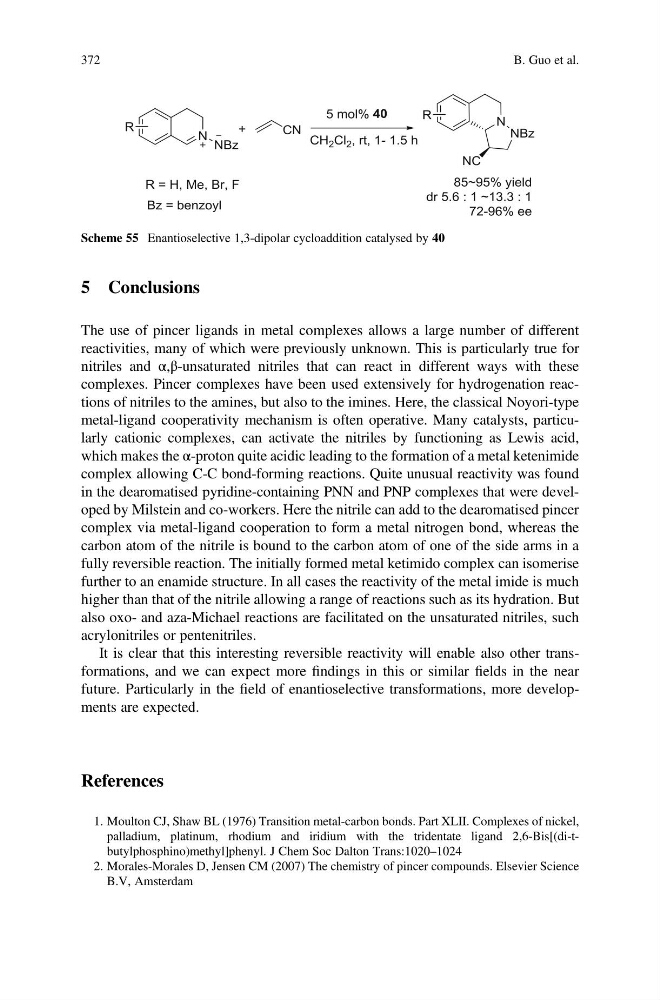
Scheme 55 Enantioselective 1,3-dipolar cycloaddition catalysed by 40
372
B. Guo et al.
The use of pincer ligands in metal complexes allows a large number of different
reactivities, many of which were previously unknown. This is particularly true for
nitriles and α,β-unsaturated nitriles that can react in different ways with these
complexes. Pincer complexes have been used extensively for hydrogenation reactions of nitriles to the amines, but also to the imines. Here, the classical Noyori-type
metal-ligand cooperativity mechanism is often operative. Many catalysts, particularly cationic complexes, can activate the nitriles by functioning as Lewis acid,
which makes the α-proton quite acidic leading to the formation of a metal ketenimide
complex allowing C-C bond-forming reactions. Quite unusual reactivity was found
in the dearomatised pyridine-containing PNN and PNP complexes that were developed by Milstein and co-workers. Here the nitrile can add to the dearomatised pincer
complex via metal-ligand cooperation to form a metal nitrogen bond, whereas the
carbon atom of the nitrile is bound to the carbon atom of one of the side arms in a
fully reversible reaction. The initially formed metal ketimido complex can isomerise
further to an enamide structure. In all cases the reactivity of the metal imide is much
higher than that of the nitrile allowing a range of reactions such as its hydration. But
also oxo- and aza-Michael reactions are facilitated on the unsaturated nitriles, such
acrylonitriles or pentenitriles.
It is clear that this interesting reversible reactivity will enable also other transformations, and we can expect more findings in this or similar fields in the near
future. Particularly in the field of enantioselective transformations, more developments are expected.
References
1. Moulton CJ, Shaw BL (1976) Transition metal-carbon bonds. Part XLII. Complexes of nickel,
palladium, platinum, rhodium and iridium with the tridentate ligand 2,6-Bis[(di-tbutylphosphino)methyl]phenyl. J Chem Soc Dalton Trans:1020–1024
2. Morales-Morales D, Jensen CM (2007) The chemistry of pincer compounds. Elsevier Science
B.V, Amsterdam
Scheme 55 Enantioselective 1,3-dipolar cycloaddition catalysed by 40
372
B. Guo et al.