

the reaction in water (ΔG
0
298 ¼ À4.0 kJ mol
À1 ) and/or adding a base to convert
formic acid to a formate salt [78]. Direct hydrogenation of bicarbonate to formate is
also thermodynamically favorable. For PNP-type catalytic systems, Beller reported
in 2014 that transfer hydrogenation of HCO 3
À (or CO 2 ) to HCO 2
À with MeOH was
efficiently catalyzed by Ru-MACHO or
iPr RuHCl in an alkaline solution [79]. It
was noted that hydrogen pressure was built up during the reaction, consistent with
catalytic methanol dehydrogenation. To confirm that the in situ generated H 2 was
responsible for bicarbonate reduction, Ru-MACHO was tested as a hydrogenation
catalyst for NaHCO 3 , which, under the conditions outlined in Eq. 17, afforded
HCO 2 Na in 71% yield. A more recent report by Treigerman showed that this
hydrogenation process could be conducted at 70
C in
i PrOH-H 2 O mix solvent and
the catalyst could be reused at least three times with an overnight rest of the catalyst
between two consecutive runs [80]. Czaun, Prakash, and Olah carried out a more
detailed study of Ru-MACHO- and Ru-MACHO-BH-catalyzed hydrogenation of
bicarbonate (Eq. 18) as well as hydrogenation of CO 2 assisted by a hydroxide
(Eq. 19) or a carbonate (Eq. 20) [81]. The reverse reaction, dehydrogenation of
formate, was also catalyzed by Ru-MACHO or Ru-MACHO-BH. To demonstrate
the reversible hydrogen storage in formate salts, Ru-MACHO-BH was employed to
catalyze CO 2 hydrogenation (75 bar, p H2 : p CO2 ¼ 3: 1) in the presence of NaOH
followed by dehydrogenation under an atmospheric pressure, a process that was
repeated at 70
C for six times without a significant loss of the catalytic activity.
Interestingly, the NH moiety is not needed here; (
Ph PN
Me P)RuHCl(CO) catalyzes
the hydrogenation and the dehydrogenation reactions with a comparable or better
efficiency than Ru-MACHO and Ru-MACHO-BH.
ð17Þ
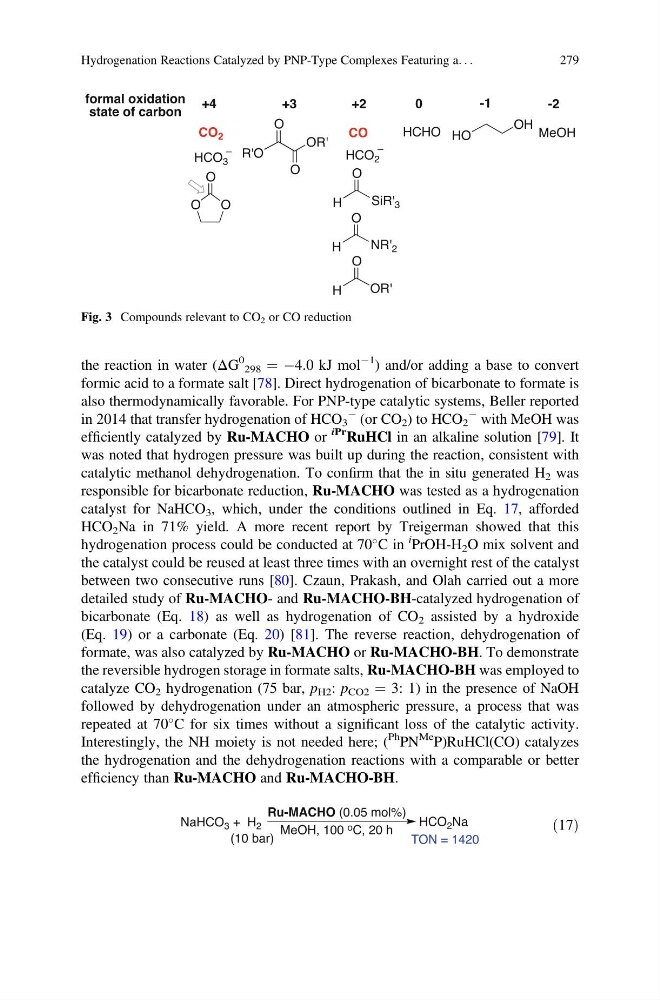
Fig. 3 Compounds relevant to CO 2 or CO reduction
Hydrogenation Reactions Catalyzed by PNP-Type Complexes Featuring a. . .
279
0
298 ¼ À4.0 kJ mol
À1 ) and/or adding a base to convert
formic acid to a formate salt [78]. Direct hydrogenation of bicarbonate to formate is
also thermodynamically favorable. For PNP-type catalytic systems, Beller reported
in 2014 that transfer hydrogenation of HCO 3
À (or CO 2 ) to HCO 2
À with MeOH was
efficiently catalyzed by Ru-MACHO or
iPr RuHCl in an alkaline solution [79]. It
was noted that hydrogen pressure was built up during the reaction, consistent with
catalytic methanol dehydrogenation. To confirm that the in situ generated H 2 was
responsible for bicarbonate reduction, Ru-MACHO was tested as a hydrogenation
catalyst for NaHCO 3 , which, under the conditions outlined in Eq. 17, afforded
HCO 2 Na in 71% yield. A more recent report by Treigerman showed that this
hydrogenation process could be conducted at 70
C in
i PrOH-H 2 O mix solvent and
the catalyst could be reused at least three times with an overnight rest of the catalyst
between two consecutive runs [80]. Czaun, Prakash, and Olah carried out a more
detailed study of Ru-MACHO- and Ru-MACHO-BH-catalyzed hydrogenation of
bicarbonate (Eq. 18) as well as hydrogenation of CO 2 assisted by a hydroxide
(Eq. 19) or a carbonate (Eq. 20) [81]. The reverse reaction, dehydrogenation of
formate, was also catalyzed by Ru-MACHO or Ru-MACHO-BH. To demonstrate
the reversible hydrogen storage in formate salts, Ru-MACHO-BH was employed to
catalyze CO 2 hydrogenation (75 bar, p H2 : p CO2 ¼ 3: 1) in the presence of NaOH
followed by dehydrogenation under an atmospheric pressure, a process that was
repeated at 70
C for six times without a significant loss of the catalytic activity.
Interestingly, the NH moiety is not needed here; (
Ph PN
Me P)RuHCl(CO) catalyzes
the hydrogenation and the dehydrogenation reactions with a comparable or better
efficiency than Ru-MACHO and Ru-MACHO-BH.
ð17Þ
Fig. 3 Compounds relevant to CO 2 or CO reduction
Hydrogenation Reactions Catalyzed by PNP-Type Complexes Featuring a. . .
279