

6.7 Fixation of CO 2 into Long-Lasting Inorganic Materials
A particular aspect of the utilization of CO 2 is its fixation into long-lasting materials
such as inorganic carbonates. This option will be discussed in this chapter as it has
some aspects similar to CCS: long time (centuries) permanence of CO 2 into the
material. All other utilization options produce goods that will release CO 2 in a
shorter time (from months for fuels, to years for chemicals, and few decades for
polymeric materials).
The concept of storage of CO 2 into long living calcium or magnesium carbonates is referred as “mineral carbonation” (IPCC, 2005). The above carbonates
are scarcely soluble in CO 2 -free water and would represent a “permanent” storage
of CO 2 . CO 2 -rich waters may attack the mineral as shown in Eq. 6.11.
Ca Mg
ð ÞCO 3 þ H 2 O þ CO 2 ! Ca Mg
ð Þ HCO 3
ð
Þ 2
ð6:11Þ
Such solution could represent an alternative for those countries which do not
have disposal sites, but requires the availability of basic oxides such as CaO and
MgO. Such oxides are naturally available in rocks which are rich of basic components. Examples are olivine (Mg 2 SiO 4 ) and wollastonite (CaSiO 3 ) (Fig. 6.7).
The conversion of such silicates into carbonates is a natural process known as
“natural weathering” of silicate rocks (Eqs. 6.12a, 6.12b)
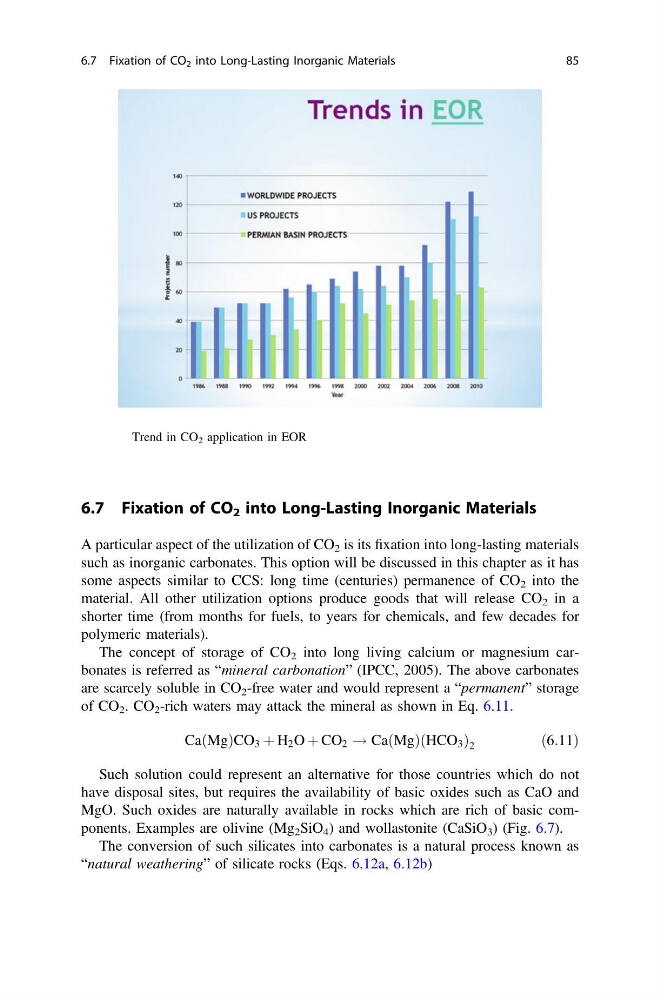
Fig. 6.6 Trend in CO 2 application in EOR
6.7 Fixation of CO 2 into Long-Lasting Inorganic Materials
85
A particular aspect of the utilization of CO 2 is its fixation into long-lasting materials
such as inorganic carbonates. This option will be discussed in this chapter as it has
some aspects similar to CCS: long time (centuries) permanence of CO 2 into the
material. All other utilization options produce goods that will release CO 2 in a
shorter time (from months for fuels, to years for chemicals, and few decades for
polymeric materials).
The concept of storage of CO 2 into long living calcium or magnesium carbonates is referred as “mineral carbonation” (IPCC, 2005). The above carbonates
are scarcely soluble in CO 2 -free water and would represent a “permanent” storage
of CO 2 . CO 2 -rich waters may attack the mineral as shown in Eq. 6.11.
Ca Mg
ð ÞCO 3 þ H 2 O þ CO 2 ! Ca Mg
ð Þ HCO 3
ð
Þ 2
ð6:11Þ
Such solution could represent an alternative for those countries which do not
have disposal sites, but requires the availability of basic oxides such as CaO and
MgO. Such oxides are naturally available in rocks which are rich of basic components. Examples are olivine (Mg 2 SiO 4 ) and wollastonite (CaSiO 3 ) (Fig. 6.7).
The conversion of such silicates into carbonates is a natural process known as
“natural weathering” of silicate rocks (Eqs. 6.12a, 6.12b)
Fig. 6.6 Trend in CO 2 application in EOR
6.7 Fixation of CO 2 into Long-Lasting Inorganic Materials
85