

The Sleipner Project. An almost ideal situation occurs in Norway, at the offshore
methane extraction wells. In 1991, the Norwegian Government introduced a CO 2
offshore tax with the aim of reducing CO 2 emissions (CO 2 separated from methane
was vented). One of the two biggest CO 2 storage projects that European companies
are involved in is the Sleipner Project in the North Sea. The projects involve
stripping CO 2 from natural gas, bringing the CO 2 content down to the sale specification of the natural gas, and storing the excess in underground geological formations. Since 1996, 1 Mt of CO 2 per year have been separated from gas produced
on the Sleipner Vest Field in the North Sea and stored in the Utsira Formation, a
saline aquifer located 1 000 m below the seabed.
The Nagaoka field. The CO 2 injection started in July 2003 at Teikoku Oil Co.
Ltd owned South Nagaoka gas field located in Nagaoka City, Niigata Prefecture,
200 km north of Tokyo and 12 km southeast from the coast of the Sea of Japan.
The targeted inland aquifer for the CO 2 injection is a 12 m thick sandstone bed
of early Pleistocene age, which lies about 1 100 m below the ground surface.
Table 6.4 Energy required in CH 4 and CO 2 pumping in a gas duct (St = Station)
Item
CH 4
CO 2
Physical status
Gas
Supercritical gas
Pressure
7.5 Mpa
12.0–18.0 MPa
Speed
20–30 km/h
10–20 km/h
Pumping St at each
80–160 km
40–80 km
Energy for pumping (ss)
0.15–0.30% v
0.6–1.2% emitted+
1000 km (12 St)
1.8–3.6%
7.2–14.4%
5000 km (60 St)
9.0–18%
36–72% (emitted/stored)
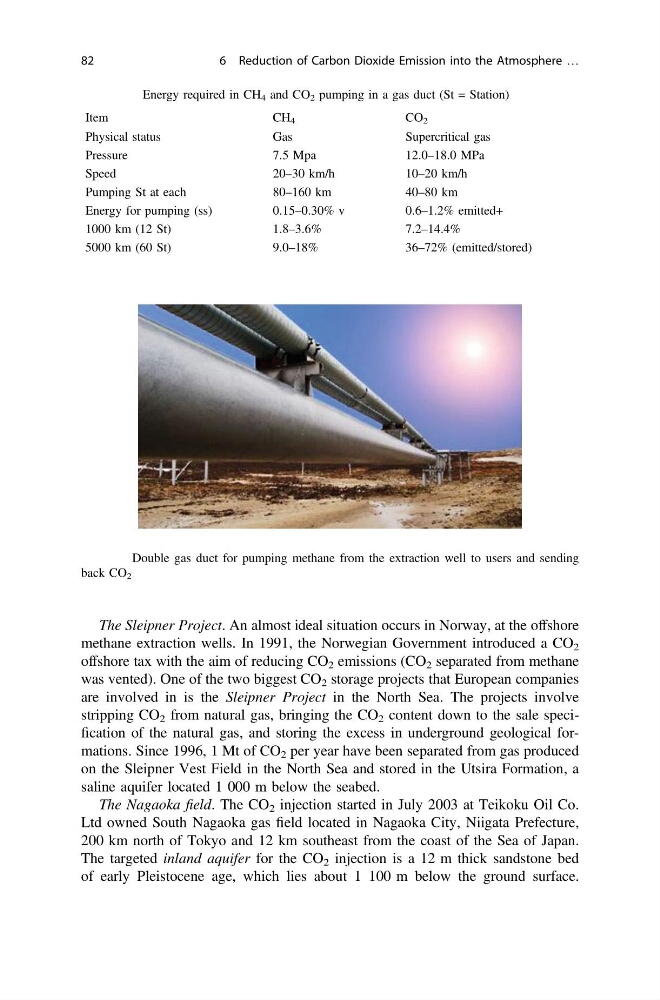
Fig. 6.4 Double gas duct for pumping methane from the extraction well to users and sending
back CO 2
82
6 Reduction of Carbon Dioxide Emission into the Atmosphere …
methane extraction wells. In 1991, the Norwegian Government introduced a CO 2
offshore tax with the aim of reducing CO 2 emissions (CO 2 separated from methane
was vented). One of the two biggest CO 2 storage projects that European companies
are involved in is the Sleipner Project in the North Sea. The projects involve
stripping CO 2 from natural gas, bringing the CO 2 content down to the sale specification of the natural gas, and storing the excess in underground geological formations. Since 1996, 1 Mt of CO 2 per year have been separated from gas produced
on the Sleipner Vest Field in the North Sea and stored in the Utsira Formation, a
saline aquifer located 1 000 m below the seabed.
The Nagaoka field. The CO 2 injection started in July 2003 at Teikoku Oil Co.
Ltd owned South Nagaoka gas field located in Nagaoka City, Niigata Prefecture,
200 km north of Tokyo and 12 km southeast from the coast of the Sea of Japan.
The targeted inland aquifer for the CO 2 injection is a 12 m thick sandstone bed
of early Pleistocene age, which lies about 1 100 m below the ground surface.
Table 6.4 Energy required in CH 4 and CO 2 pumping in a gas duct (St = Station)
Item
CH 4
CO 2
Physical status
Gas
Supercritical gas
Pressure
7.5 Mpa
12.0–18.0 MPa
Speed
20–30 km/h
10–20 km/h
Pumping St at each
80–160 km
40–80 km
Energy for pumping (ss)
0.15–0.30% v
0.6–1.2% emitted+
1000 km (12 St)
1.8–3.6%
7.2–14.4%
5000 km (60 St)
9.0–18%
36–72% (emitted/stored)
Fig. 6.4 Double gas duct for pumping methane from the extraction well to users and sending
back CO 2
82
6 Reduction of Carbon Dioxide Emission into the Atmosphere …