

A second condition is that the surface of the panel is kept clean: this obliges to place
the panel in such a position that cleaning is easily done (Fig. 5.4).
Solar energy conversion to electricity can be done in small personal units for
serving a family on in open fields connected to the electricity transfer network.
Even in the first case, the modules are connected to the network where they can
send electricity not used during daylight and from which the private utilizer can
take electricity during peak time or night.
Use of PV is expanding and the total power installed is growing at an interesting
rate and new technologies (ultralight and flexible panels) are producing modules
that can be adapted to a variety of utilizations.
5.2.2 Wind Energy
Wind, a different form of solar energy, has been used by humans since very long
time in a variety of activities: from cruising seas and oceans to cool down buildings
and houses to application in productive activities. Until the end of 1800s, windmills
were largely used for generating power for several activities: sailing, crushing
goods, grinding grains (making floor), pumping water, and making electric energy.
Wind is discontinuous and site specific and was left over after fossil fuels were used
for generating electric energy.
Nowadays, wind turbines [7] are back in use both on land and offshore for
producing electric energy. Even wind towers, [8] typical of the Persian architecture,
are coming back in use as passive non-electricity-demanding devices for cooling
civil buildings. Concerning electricity, the wind total installed capacity was 591.5
GW in 2018 and expected to reach 655.9 GW in 2019.
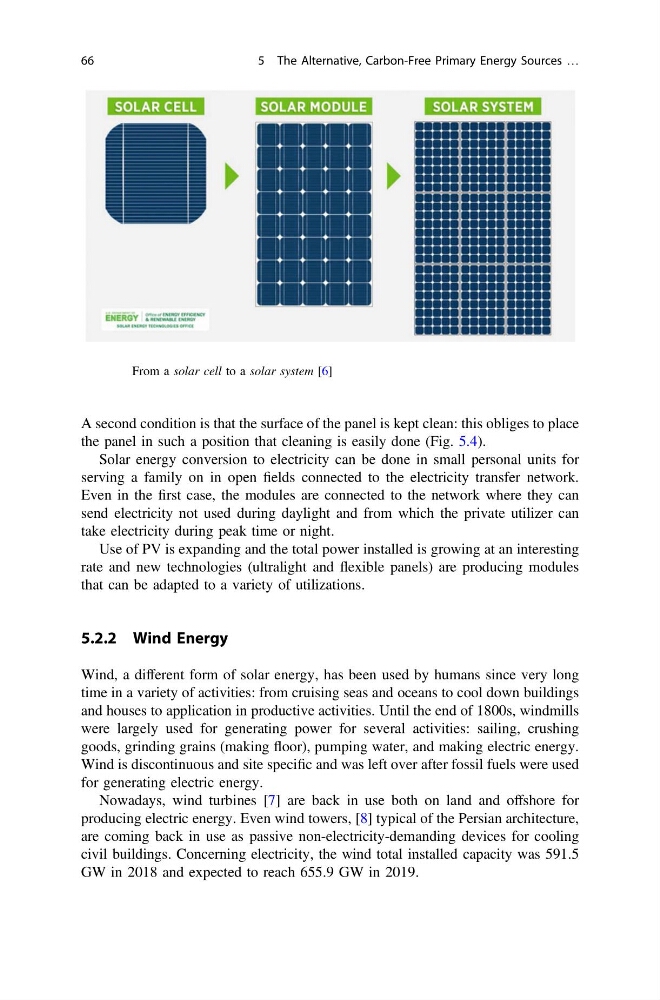
Fig. 5.4 From a solar cell to a solar system [6]
66
5 The Alternative, Carbon-Free Primary Energy Sources …
the panel in such a position that cleaning is easily done (Fig. 5.4).
Solar energy conversion to electricity can be done in small personal units for
serving a family on in open fields connected to the electricity transfer network.
Even in the first case, the modules are connected to the network where they can
send electricity not used during daylight and from which the private utilizer can
take electricity during peak time or night.
Use of PV is expanding and the total power installed is growing at an interesting
rate and new technologies (ultralight and flexible panels) are producing modules
that can be adapted to a variety of utilizations.
5.2.2 Wind Energy
Wind, a different form of solar energy, has been used by humans since very long
time in a variety of activities: from cruising seas and oceans to cool down buildings
and houses to application in productive activities. Until the end of 1800s, windmills
were largely used for generating power for several activities: sailing, crushing
goods, grinding grains (making floor), pumping water, and making electric energy.
Wind is discontinuous and site specific and was left over after fossil fuels were used
for generating electric energy.
Nowadays, wind turbines [7] are back in use both on land and offshore for
producing electric energy. Even wind towers, [8] typical of the Persian architecture,
are coming back in use as passive non-electricity-demanding devices for cooling
civil buildings. Concerning electricity, the wind total installed capacity was 591.5
GW in 2018 and expected to reach 655.9 GW in 2019.
Fig. 5.4 From a solar cell to a solar system [6]
66
5 The Alternative, Carbon-Free Primary Energy Sources …