

294
S. Suppipat et al.
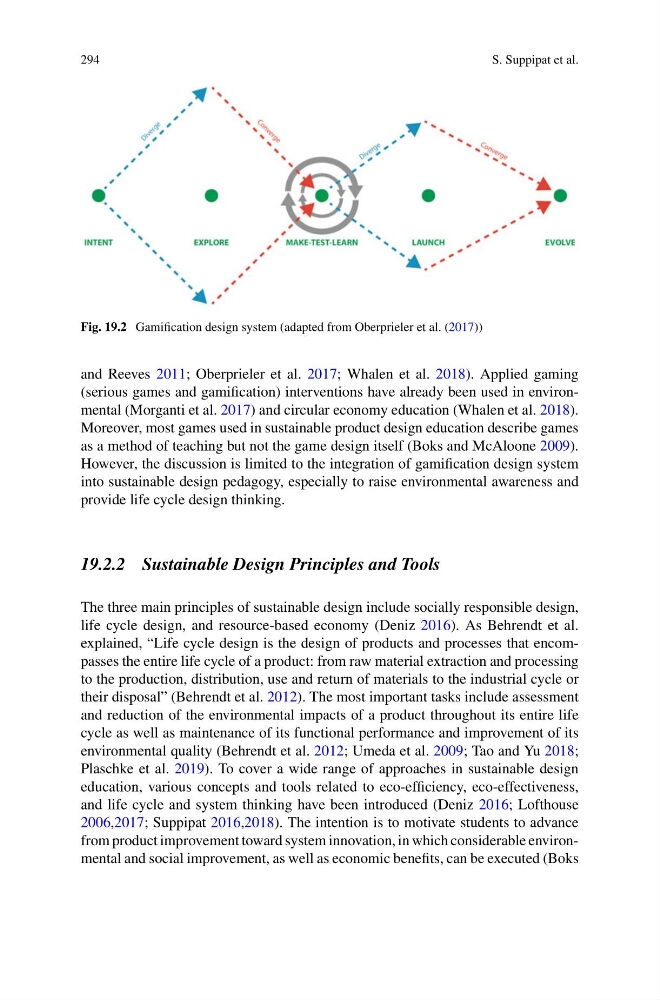
Fig. 19.2 Gamification design system (adapted from Oberprieler et al. (2017))
and Reeves 2011; Oberprieler et al. 2017; Whalen et al. 2018). Applied gaming
(serious games and gamification) interventions have already been used in environmental (Morganti et al. 2017) and circular economy education (Whalen et al. 2018).
Moreover, most games used in sustainable product design education describe games
as a method of teaching but not the game design itself (Boks and McAloone 2009).
However, the discussion is limited to the integration of gamification design system
into sustainable design pedagogy, especially to raise environmental awareness and
provide life cycle design thinking.
19.2.2 Sustainable Design Principles and Tools
The three main principles of sustainable design include socially responsible design,
life cycle design, and resource-based economy (Deniz 2016). As Behrendt et al.
explained, “Life cycle design is the design of products and processes that encompasses the entire life cycle of a product: from raw material extraction and processing
to the production, distribution, use and return of materials to the industrial cycle or
their disposal” (Behrendt et al. 2012). The most important tasks include assessment
and reduction of the environmental impacts of a product throughout its entire life
cycle as well as maintenance of its functional performance and improvement of its
environmental quality (Behrendt et al. 2012; Umeda et al. 2009; Tao and Yu 2018;
Plaschke et al. 2019). To cover a wide range of approaches in sustainable design
education, various concepts and tools related to eco-efficiency, eco-effectiveness,
and life cycle and system thinking have been introduced (Deniz 2016; Lofthouse
2006,2017; Suppipat 2016,2018). The intention is to motivate students to advance
from product improvement toward system innovation, in which considerable environmental and social improvement, as well as economic benefits, can be executed (Boks
S. Suppipat et al.
Fig. 19.2 Gamification design system (adapted from Oberprieler et al. (2017))
and Reeves 2011; Oberprieler et al. 2017; Whalen et al. 2018). Applied gaming
(serious games and gamification) interventions have already been used in environmental (Morganti et al. 2017) and circular economy education (Whalen et al. 2018).
Moreover, most games used in sustainable product design education describe games
as a method of teaching but not the game design itself (Boks and McAloone 2009).
However, the discussion is limited to the integration of gamification design system
into sustainable design pedagogy, especially to raise environmental awareness and
provide life cycle design thinking.
19.2.2 Sustainable Design Principles and Tools
The three main principles of sustainable design include socially responsible design,
life cycle design, and resource-based economy (Deniz 2016). As Behrendt et al.
explained, “Life cycle design is the design of products and processes that encompasses the entire life cycle of a product: from raw material extraction and processing
to the production, distribution, use and return of materials to the industrial cycle or
their disposal” (Behrendt et al. 2012). The most important tasks include assessment
and reduction of the environmental impacts of a product throughout its entire life
cycle as well as maintenance of its functional performance and improvement of its
environmental quality (Behrendt et al. 2012; Umeda et al. 2009; Tao and Yu 2018;
Plaschke et al. 2019). To cover a wide range of approaches in sustainable design
education, various concepts and tools related to eco-efficiency, eco-effectiveness,
and life cycle and system thinking have been introduced (Deniz 2016; Lofthouse
2006,2017; Suppipat 2016,2018). The intention is to motivate students to advance
from product improvement toward system innovation, in which considerable environmental and social improvement, as well as economic benefits, can be executed (Boks