

19 Gamifying Sustainable Design to Enhance Environmental …
295
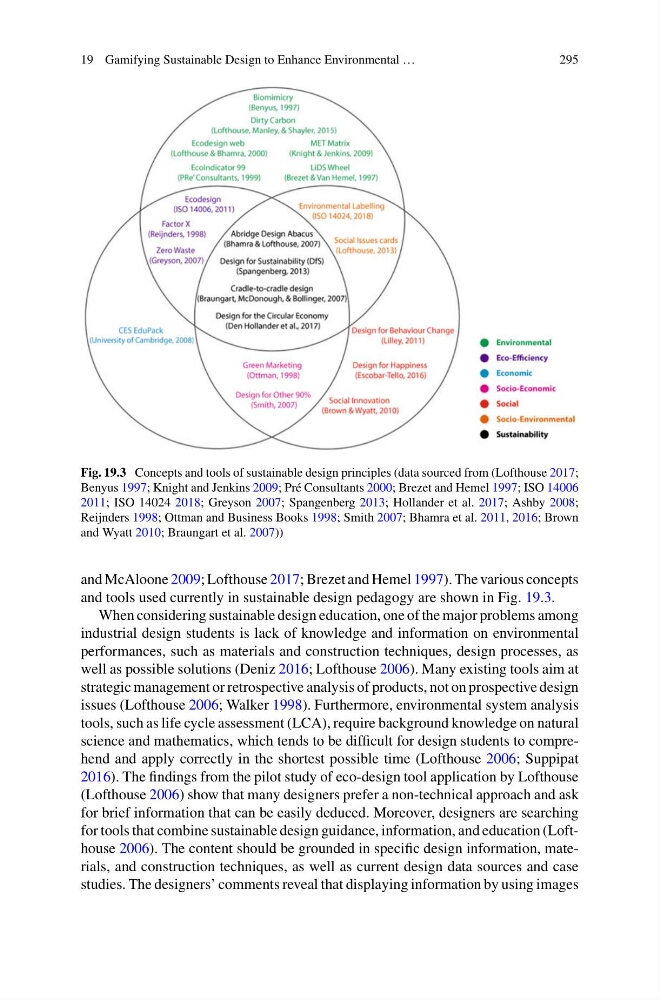
Fig. 19.3 Concepts and tools of sustainable design principles (data sourced from (Lofthouse 2017;
Benyus 1997; Knight and Jenkins 2009; Pré Consultants 2000; Brezet and Hemel 1997; ISO 14006
2011; ISO 14024 2018; Greyson 2007; Spangenberg 2013; Hollander et al. 2017; Ashby 2008;
Reijnders 1998; Ottman and Business Books 1998; Smith 2007; Bhamra et al. 2011, 2016; Brown
and Wyatt 2010; Braungart et al. 2007))
and McAloone 2009; Lofthouse 2017; Brezet and Hemel 1997). The various concepts
and tools used currently in sustainable design pedagogy are shown in Fig. 19.3.
When considering sustainable design education, one of the major problems among
industrial design students is lack of knowledge and information on environmental
performances, such as materials and construction techniques, design processes, as
well as possible solutions (Deniz 2016; Lofthouse 2006). Many existing tools aim at
strategic management or retrospective analysis of products, not on prospective design
issues (Lofthouse 2006; Walker 1998). Furthermore, environmental system analysis
tools, such as life cycle assessment (LCA), require background knowledge on natural
science and mathematics, which tends to be difficult for design students to comprehend and apply correctly in the shortest possible time (Lofthouse 2006; Suppipat
2016). The findings from the pilot study of eco-design tool application by Lofthouse
(Lofthouse 2006) show that many designers prefer a non-technical approach and ask
for brief information that can be easily deduced. Moreover, designers are searching
for tools that combine sustainable design guidance, information, and education (Lofthouse 2006). The content should be grounded in specific design information, materials, and construction techniques, as well as current design data sources and case
studies. The designers’ comments reveal that displaying information by using images
295
Fig. 19.3 Concepts and tools of sustainable design principles (data sourced from (Lofthouse 2017;
Benyus 1997; Knight and Jenkins 2009; Pré Consultants 2000; Brezet and Hemel 1997; ISO 14006
2011; ISO 14024 2018; Greyson 2007; Spangenberg 2013; Hollander et al. 2017; Ashby 2008;
Reijnders 1998; Ottman and Business Books 1998; Smith 2007; Bhamra et al. 2011, 2016; Brown
and Wyatt 2010; Braungart et al. 2007))
and McAloone 2009; Lofthouse 2017; Brezet and Hemel 1997). The various concepts
and tools used currently in sustainable design pedagogy are shown in Fig. 19.3.
When considering sustainable design education, one of the major problems among
industrial design students is lack of knowledge and information on environmental
performances, such as materials and construction techniques, design processes, as
well as possible solutions (Deniz 2016; Lofthouse 2006). Many existing tools aim at
strategic management or retrospective analysis of products, not on prospective design
issues (Lofthouse 2006; Walker 1998). Furthermore, environmental system analysis
tools, such as life cycle assessment (LCA), require background knowledge on natural
science and mathematics, which tends to be difficult for design students to comprehend and apply correctly in the shortest possible time (Lofthouse 2006; Suppipat
2016). The findings from the pilot study of eco-design tool application by Lofthouse
(Lofthouse 2006) show that many designers prefer a non-technical approach and ask
for brief information that can be easily deduced. Moreover, designers are searching
for tools that combine sustainable design guidance, information, and education (Lofthouse 2006). The content should be grounded in specific design information, materials, and construction techniques, as well as current design data sources and case
studies. The designers’ comments reveal that displaying information by using images