

12 Ecological Smart and Sustainable Waste Management: A Conceptual …
179
ICT and IoT
Use
Collection
Waste
sorting
Technical
material
recovery
Biological
material
recovery
Disposal
Energy
recovery
Governance
Society
Environment
Environment
Regulation, Standardization,
Process, Infrastructure
Technology Communication
Authority
Income/profit, Employment,
Market, Productivity,
Investment, Value chain,
Innovation
Emission, Pollution, Land
use,Energy Recovery,
Resource efficiency, Water,
Workplace
Community, Customer,
Quality of life, Collectors,
Scavengers, Gender,
Networking, Awareness
Governance
Society
Economy
Economy
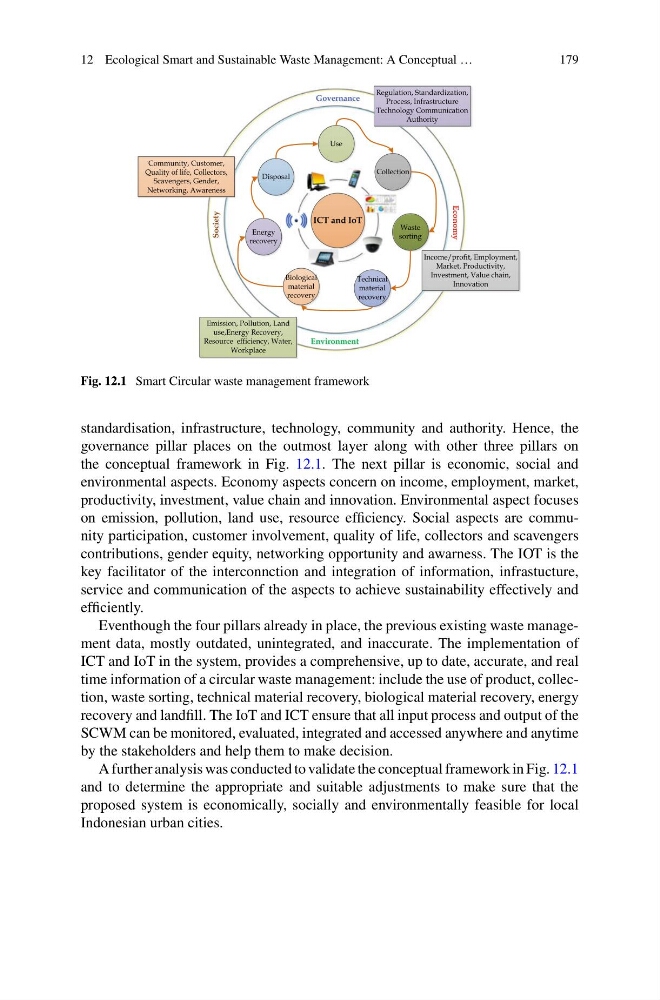
Fig. 12.1 Smart Circular waste management framework
standardisation, infrastructure, technology, community and authority. Hence, the
governance pillar places on the outmost layer along with other three pillars on
the conceptual framework in Fig. 12.1. The next pillar is economic, social and
environmental aspects. Economy aspects concern on income, employment, market,
productivity, investment, value chain and innovation. Environmental aspect focuses
on emission, pollution, land use, resource efficiency. Social aspects are community participation, customer involvement, quality of life, collectors and scavengers
contributions, gender equity, networking opportunity and awarness. The IOT is the
key facilitator of the interconnction and integration of information, infrastucture,
service and communication of the aspects to achieve sustainability effectively and
efficiently.
Eventhough the four pillars already in place, the previous existing waste management data, mostly outdated, unintegrated, and inaccurate. The implementation of
ICT and IoT in the system, provides a comprehensive, up to date, accurate, and real
time information of a circular waste management: include the use of product, collection, waste sorting, technical material recovery, biological material recovery, energy
recovery and landfill. The IoT and ICT ensure that all input process and output of the
SCWM can be monitored, evaluated, integrated and accessed anywhere and anytime
by the stakeholders and help them to make decision.
A further analysis was conducted to validate the conceptual framework in Fig. 12.1
and to determine the appropriate and suitable adjustments to make sure that the
proposed system is economically, socially and environmentally feasible for local
Indonesian urban cities.
179
ICT and IoT
Use
Collection
Waste
sorting
Technical
material
recovery
Biological
material
recovery
Disposal
Energy
recovery
Governance
Society
Environment
Environment
Regulation, Standardization,
Process, Infrastructure
Technology Communication
Authority
Income/profit, Employment,
Market, Productivity,
Investment, Value chain,
Innovation
Emission, Pollution, Land
use,Energy Recovery,
Resource efficiency, Water,
Workplace
Community, Customer,
Quality of life, Collectors,
Scavengers, Gender,
Networking, Awareness
Governance
Society
Economy
Economy
Fig. 12.1 Smart Circular waste management framework
standardisation, infrastructure, technology, community and authority. Hence, the
governance pillar places on the outmost layer along with other three pillars on
the conceptual framework in Fig. 12.1. The next pillar is economic, social and
environmental aspects. Economy aspects concern on income, employment, market,
productivity, investment, value chain and innovation. Environmental aspect focuses
on emission, pollution, land use, resource efficiency. Social aspects are community participation, customer involvement, quality of life, collectors and scavengers
contributions, gender equity, networking opportunity and awarness. The IOT is the
key facilitator of the interconnction and integration of information, infrastucture,
service and communication of the aspects to achieve sustainability effectively and
efficiently.
Eventhough the four pillars already in place, the previous existing waste management data, mostly outdated, unintegrated, and inaccurate. The implementation of
ICT and IoT in the system, provides a comprehensive, up to date, accurate, and real
time information of a circular waste management: include the use of product, collection, waste sorting, technical material recovery, biological material recovery, energy
recovery and landfill. The IoT and ICT ensure that all input process and output of the
SCWM can be monitored, evaluated, integrated and accessed anywhere and anytime
by the stakeholders and help them to make decision.
A further analysis was conducted to validate the conceptual framework in Fig. 12.1
and to determine the appropriate and suitable adjustments to make sure that the
proposed system is economically, socially and environmentally feasible for local
Indonesian urban cities.