

CARBON
CNT negative electrode \ ,
positive electrode
6M KOH electrolyte, H20
\
\
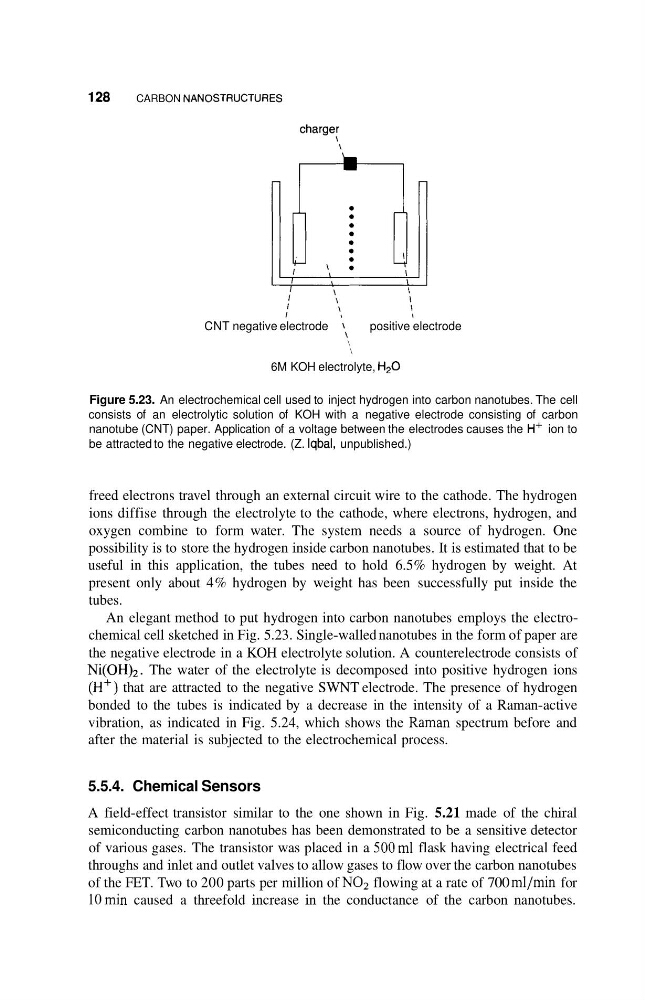
Figure 5.23. An electrochemical cell used to inject hydrogen into carbon nanotubes. The cell
consists of an electrolytic solution of KOH with a negative electrode consisting of carbon
nanotube (CNT) paper. Application of a voltage between the electrodes causes the H+ ion to
be attracted to the negative electrode. (Z. Iqbal, unpublished.)
freed electrons travel through an external circuit wire to the cathode. The hydrogen
ions diffise through the electrolyte to the cathode, where electrons, hydrogen, and
oxygen combine to form water. The system needs a source of hydrogen. One
possibility is to store the hydrogen inside carbon nanotubes. It is estimated that to be
useful in this application, the tubes need to hold 6.5% hydrogen by weight. At
present only about 4% hydrogen by weight has been successfully put inside the
tubes.
An elegant method to put hydrogen into carbon nanotubes employs the electrochemical cell sketched in Fig. 5.23. Single-walled nanotubes in the form of paper are
the negative electrode in a KOH electrolyte solution. A counterelectrode consists of
Ni(0Hh. The water of the electrolyte is decomposed into positive hydrogen ions
(H+) that are attracted to the negative SWNT electrode. The presence of hydrogen
bonded to the tubes is indicated by a decrease in the intensity of a Raman-active
vibration, as indicated in Fig. 5.24, which shows the Raman spectrum before and
after the material is subjected to the electrochemical process.
5.5.4. Chemical Sensors
A field-effect transistor similar to the one shown in Fig. 5.21 made of the chiral
semiconducting carbon nanotubes has been demonstrated to be a sensitive detector
of various gases. The transistor was placed in a 500ml flask having electrical feed
throughs and inlet and outlet valves to allow gases to flow over the carbon nanotubes
of the FET. Two to 200 parts per million of NO2 flowing at a rate of 700 ml/min for
10min caused a threefold increase in the conductance of the carbon nanotubes.
CNT negative electrode \ ,
positive electrode
6M KOH electrolyte, H20
\
\
Figure 5.23. An electrochemical cell used to inject hydrogen into carbon nanotubes. The cell
consists of an electrolytic solution of KOH with a negative electrode consisting of carbon
nanotube (CNT) paper. Application of a voltage between the electrodes causes the H+ ion to
be attracted to the negative electrode. (Z. Iqbal, unpublished.)
freed electrons travel through an external circuit wire to the cathode. The hydrogen
ions diffise through the electrolyte to the cathode, where electrons, hydrogen, and
oxygen combine to form water. The system needs a source of hydrogen. One
possibility is to store the hydrogen inside carbon nanotubes. It is estimated that to be
useful in this application, the tubes need to hold 6.5% hydrogen by weight. At
present only about 4% hydrogen by weight has been successfully put inside the
tubes.
An elegant method to put hydrogen into carbon nanotubes employs the electrochemical cell sketched in Fig. 5.23. Single-walled nanotubes in the form of paper are
the negative electrode in a KOH electrolyte solution. A counterelectrode consists of
Ni(0Hh. The water of the electrolyte is decomposed into positive hydrogen ions
(H+) that are attracted to the negative SWNT electrode. The presence of hydrogen
bonded to the tubes is indicated by a decrease in the intensity of a Raman-active
vibration, as indicated in Fig. 5.24, which shows the Raman spectrum before and
after the material is subjected to the electrochemical process.
5.5.4. Chemical Sensors
A field-effect transistor similar to the one shown in Fig. 5.21 made of the chiral
semiconducting carbon nanotubes has been demonstrated to be a sensitive detector
of various gases. The transistor was placed in a 500ml flask having electrical feed
throughs and inlet and outlet valves to allow gases to flow over the carbon nanotubes
of the FET. Two to 200 parts per million of NO2 flowing at a rate of 700 ml/min for
10min caused a threefold increase in the conductance of the carbon nanotubes.