

Another feature of rewarming after forming large numbers of
small nuclei on cooling has to do with the visual appearance of the
solution. Converting a relatively dilute CPA solution into a heavily
nucleated glass does not necessarily change the visual appearance of
the solution because the crystals can be too small to scatter light,
making it possible for the solution to remain transparent, albeit
there may be a blue coloration as a telltale sign of the presence of
otherwise invisible ice nuclei [199]. During rewarming, such dilute
solutions tend to opacify at a temperature higher than the calorimetrically defined T d (Fig. 6) because opacification requires the
small crystals formed during devitrification to recrystallize until
the prevailing crystal size is larger than the wavelength of light
[199]. At higher CPA concentrations, the onset of devitrification
is synonymous with the onset of opacification because, at a lower
nucleation density, each nucleus must grow to a larger size to evolve
a detectable amount of heat. At rapid warming rates, opacification
may not be observed if insufficient recrystallization takes place even
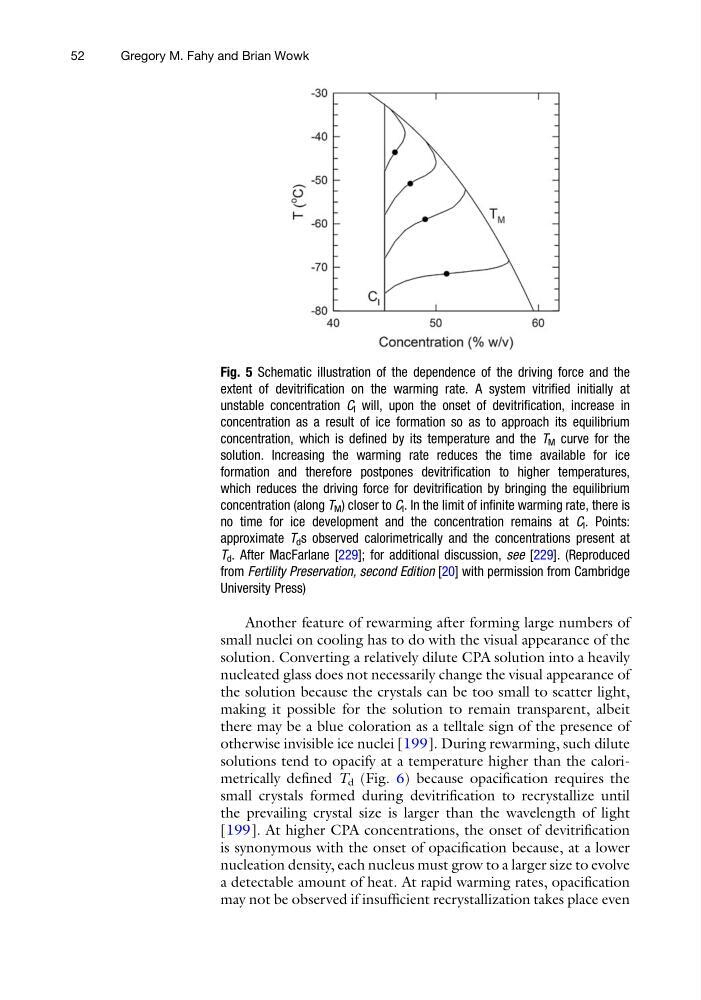
Fig. 5 Schematic illustration of the dependence of the driving force and the
extent of devitrification on the warming rate. A system vitrified initially at
unstable concentration C I will, upon the onset of devitrification, increase in
concentration as a result of ice formation so as to approach its equilibrium
concentration, which is defined by its temperature and the T M curve for the
solution. Increasing the warming rate reduces the time available for ice
formation and therefore postpones devitrification to higher temperatures,
which reduces the driving force for devitrification by bringing the equilibrium
concentration (along T M ) closer to C I . In the limit of infinite warming rate, there is
no time for ice development and the concentration remains at C I . Points:
approximate T d s observed calorimetrically and the concentrations present at
T d . After MacFarlane [229]; for additional discussion, see [229]. (Reproduced
from Fertility Preservation, second Edition [20] with permission from Cambridge
University Press)
52
Gregory M. Fahy and Brian Wowk
small nuclei on cooling has to do with the visual appearance of the
solution. Converting a relatively dilute CPA solution into a heavily
nucleated glass does not necessarily change the visual appearance of
the solution because the crystals can be too small to scatter light,
making it possible for the solution to remain transparent, albeit
there may be a blue coloration as a telltale sign of the presence of
otherwise invisible ice nuclei [199]. During rewarming, such dilute
solutions tend to opacify at a temperature higher than the calorimetrically defined T d (Fig. 6) because opacification requires the
small crystals formed during devitrification to recrystallize until
the prevailing crystal size is larger than the wavelength of light
[199]. At higher CPA concentrations, the onset of devitrification
is synonymous with the onset of opacification because, at a lower
nucleation density, each nucleus must grow to a larger size to evolve
a detectable amount of heat. At rapid warming rates, opacification
may not be observed if insufficient recrystallization takes place even
Fig. 5 Schematic illustration of the dependence of the driving force and the
extent of devitrification on the warming rate. A system vitrified initially at
unstable concentration C I will, upon the onset of devitrification, increase in
concentration as a result of ice formation so as to approach its equilibrium
concentration, which is defined by its temperature and the T M curve for the
solution. Increasing the warming rate reduces the time available for ice
formation and therefore postpones devitrification to higher temperatures,
which reduces the driving force for devitrification by bringing the equilibrium
concentration (along T M ) closer to C I . In the limit of infinite warming rate, there is
no time for ice development and the concentration remains at C I . Points:
approximate T d s observed calorimetrically and the concentrations present at
T d . After MacFarlane [229]; for additional discussion, see [229]. (Reproduced
from Fertility Preservation, second Edition [20] with permission from Cambridge
University Press)
52
Gregory M. Fahy and Brian Wowk