

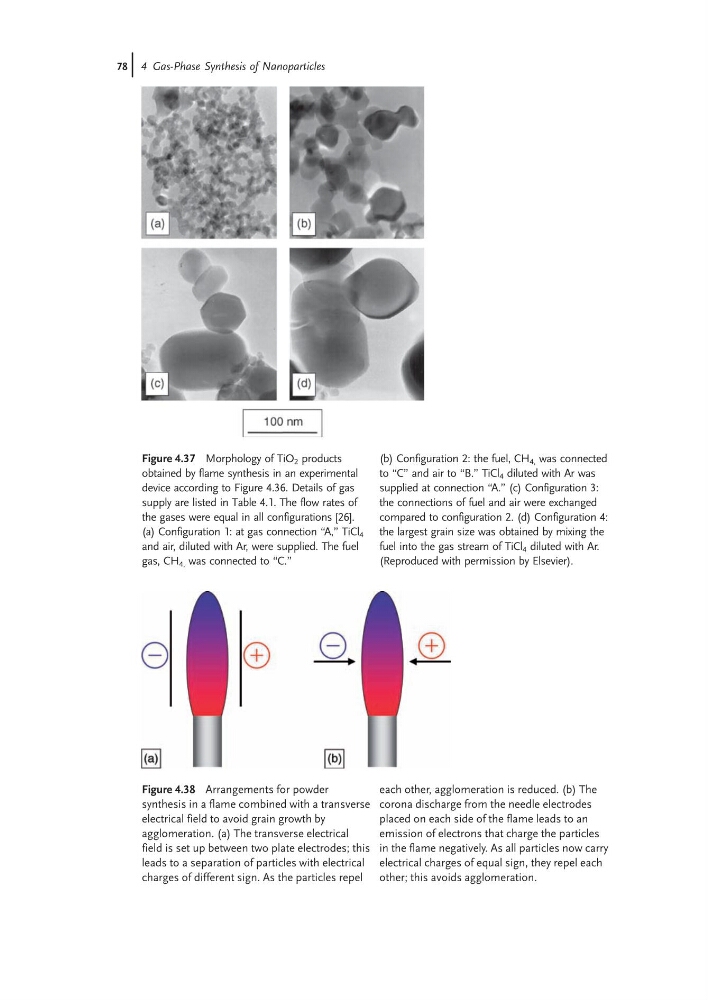
Figure 4.37 Morphology of TiO 2 products
obtained by flame synthesis in an experimental
device according to Figure 4.36. Details of gas
supply are listed in Table 4.1. The flow rates of
the gases were equal in all configurations [26].
(a) Configuration 1: at gas connection “A,” TiCl 4
and air, diluted with Ar, were supplied. The fuel
gas, CH 4, was connected to “C.”
(b) Configuration 2: the fuel, CH 4, was connected
to “C” and air to “B.” TiCl 4 diluted with Ar was
supplied at connection “A.” (c) Configuration 3:
the connections of fuel and air were exchanged
compared to configuration 2. (d) Configuration 4:
the largest grain size was obtained by mixing the
fuel into the gas stream of TiCl 4 diluted with Ar.
(Reproduced with permission by Elsevier).
Figure 4.38 Arrangements for powder
synthesis in a flame combined with a transverse
electrical field to avoid grain growth by
agglomeration. (a) The transverse electrical
field is set up between two plate electrodes; this
leads to a separation of particles with electrical
charges of different sign. As the particles repel
each other, agglomeration is reduced. (b) The
corona discharge from the needle electrodes
placed on each side of the flame leads to an
emission of electrons that charge the particles
in the flame negatively. As all particles now carry
electrical charges of equal sign, they repel each
other; this avoids agglomeration.
78j 4 Gas-Phase Synthesis of Nanoparticles
obtained by flame synthesis in an experimental
device according to Figure 4.36. Details of gas
supply are listed in Table 4.1. The flow rates of
the gases were equal in all configurations [26].
(a) Configuration 1: at gas connection “A,” TiCl 4
and air, diluted with Ar, were supplied. The fuel
gas, CH 4, was connected to “C.”
(b) Configuration 2: the fuel, CH 4, was connected
to “C” and air to “B.” TiCl 4 diluted with Ar was
supplied at connection “A.” (c) Configuration 3:
the connections of fuel and air were exchanged
compared to configuration 2. (d) Configuration 4:
the largest grain size was obtained by mixing the
fuel into the gas stream of TiCl 4 diluted with Ar.
(Reproduced with permission by Elsevier).
Figure 4.38 Arrangements for powder
synthesis in a flame combined with a transverse
electrical field to avoid grain growth by
agglomeration. (a) The transverse electrical
field is set up between two plate electrodes; this
leads to a separation of particles with electrical
charges of different sign. As the particles repel
each other, agglomeration is reduced. (b) The
corona discharge from the needle electrodes
placed on each side of the flame leads to an
emission of electrons that charge the particles
in the flame negatively. As all particles now carry
electrical charges of equal sign, they repel each
other; this avoids agglomeration.
78j 4 Gas-Phase Synthesis of Nanoparticles