

isothermal
process
a p p l y f i e l d
adiabatic
process
adiabatic
process
H = 0
T – T
Δ
H > 0
T + T
Δ
T, H > 0
T, H = 0
a b s o r b s
h e a t
e x p e ll h e a t
r
e
m
o
v
e
f
i
e
l
d
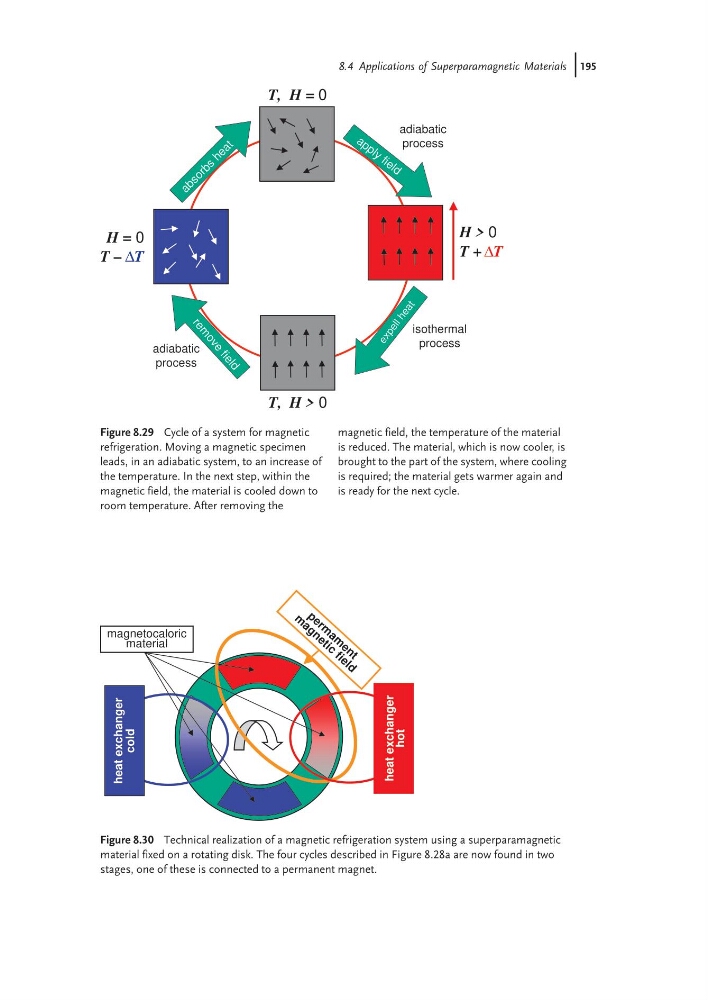
Figure 8.29 Cycle of a system for magnetic
refrigeration. Moving a magnetic specimen
leads, in an adiabatic system, to an increase of
the temperature. In the next step, within the
magnetic field, the material is cooled down to
room temperature. After removing the
magnetic field, the temperature of the material
is reduced. The material, which is now cooler, is
brought to the part of the system, where cooling
is required; the material gets warmer again and
is ready for the next cycle.
heat exchanger
cold
heat exchanger
hot
p e r m
a m
e n t
m
a g n e t i c f i e l d
magnetocaloric
material
Figure 8.30 Technical realization of a magnetic refrigeration system using a superparamagnetic
material fixed on a rotating disk. The four cycles described in Figure 8.28a are now found in two
stages, one of these is connected to a permanent magnet.
8.4 Applications of Superparamagnetic Materials j195
process
a p p l y f i e l d
adiabatic
process
adiabatic
process
H = 0
T – T
Δ
H > 0
T + T
Δ
T, H > 0
T, H = 0
a b s o r b s
h e a t
e x p e ll h e a t
r
e
m
o
v
e
f
i
e
l
d
Figure 8.29 Cycle of a system for magnetic
refrigeration. Moving a magnetic specimen
leads, in an adiabatic system, to an increase of
the temperature. In the next step, within the
magnetic field, the material is cooled down to
room temperature. After removing the
magnetic field, the temperature of the material
is reduced. The material, which is now cooler, is
brought to the part of the system, where cooling
is required; the material gets warmer again and
is ready for the next cycle.
heat exchanger
cold
heat exchanger
hot
p e r m
a m
e n t
m
a g n e t i c f i e l d
magnetocaloric
material
Figure 8.30 Technical realization of a magnetic refrigeration system using a superparamagnetic
material fixed on a rotating disk. The four cycles described in Figure 8.28a are now found in two
stages, one of these is connected to a permanent magnet.
8.4 Applications of Superparamagnetic Materials j195