

ALOHA Anti-collision Algorithm
163
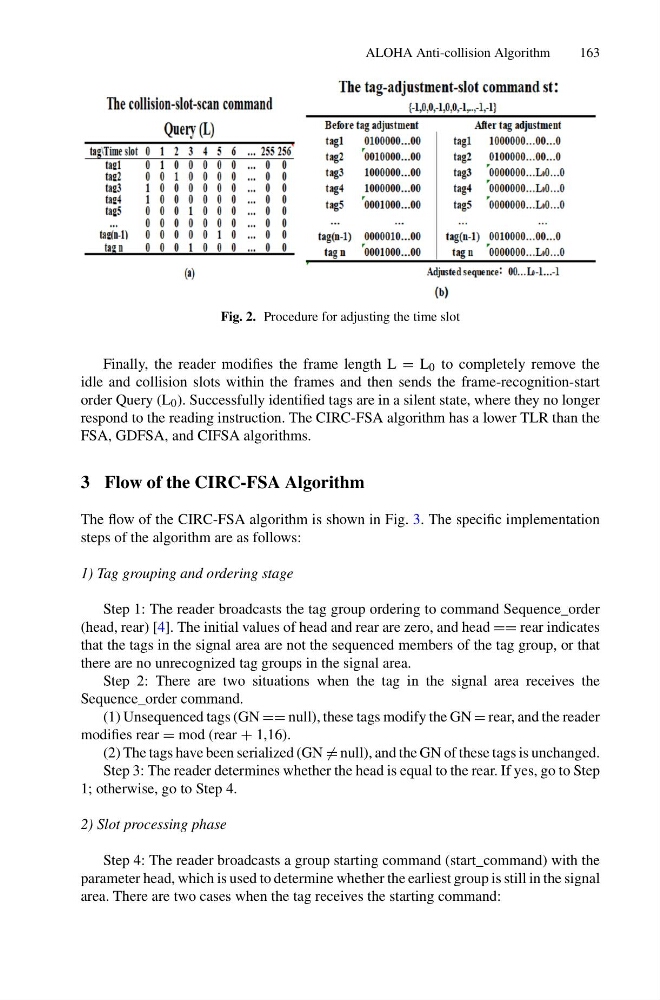
Fig. 2. Procedure for adjusting the time slot
Finally, the reader modifies the frame length L = L 0 to completely remove the
idle and collision slots within the frames and then sends the frame-recognition-start
order Query (L 0 ). Successfully identified tags are in a silent state, where they no longer
respond to the reading instruction. The CIRC-FSA algorithm has a lower TLR than the
FSA, GDFSA, and CIFSA algorithms.
3 Flow of the CIRC-FSA Algorithm
The flow of the CIRC-FSA algorithm is shown in Fig. 3. The specific implementation
steps of the algorithm are as follows:
1) Tag grouping and ordering stage
Step 1: The reader broadcasts the tag group ordering to command Sequence_order
(head, rear) [4]. The initial values of head and rear are zero, and head == rear indicates
that the tags in the signal area are not the sequenced members of the tag group, or that
there are no unrecognized tag groups in the signal area.
Step 2: There are two situations when the tag in the signal area receives the
Sequence_order command.
(1) Unsequenced tags (GN == null), these tags modify the GN = rear, and the reader
modifies rear = mod (rear + 1,16).
(2) The tags have been serialized (GN = null), and the GN of these tags is unchanged.
Step 3: The reader determines whether the head is equal to the rear. If yes, go to Step
1; otherwise, go to Step 4.
2) Slot processing phase
Step 4: The reader broadcasts a group starting command (start_command) with the
parameter head, which is used to determine whether the earliest group is still in the signal
area. There are two cases when the tag receives the starting command:
163
Fig. 2. Procedure for adjusting the time slot
Finally, the reader modifies the frame length L = L 0 to completely remove the
idle and collision slots within the frames and then sends the frame-recognition-start
order Query (L 0 ). Successfully identified tags are in a silent state, where they no longer
respond to the reading instruction. The CIRC-FSA algorithm has a lower TLR than the
FSA, GDFSA, and CIFSA algorithms.
3 Flow of the CIRC-FSA Algorithm
The flow of the CIRC-FSA algorithm is shown in Fig. 3. The specific implementation
steps of the algorithm are as follows:
1) Tag grouping and ordering stage
Step 1: The reader broadcasts the tag group ordering to command Sequence_order
(head, rear) [4]. The initial values of head and rear are zero, and head == rear indicates
that the tags in the signal area are not the sequenced members of the tag group, or that
there are no unrecognized tag groups in the signal area.
Step 2: There are two situations when the tag in the signal area receives the
Sequence_order command.
(1) Unsequenced tags (GN == null), these tags modify the GN = rear, and the reader
modifies rear = mod (rear + 1,16).
(2) The tags have been serialized (GN = null), and the GN of these tags is unchanged.
Step 3: The reader determines whether the head is equal to the rear. If yes, go to Step
1; otherwise, go to Step 4.
2) Slot processing phase
Step 4: The reader broadcasts a group starting command (start_command) with the
parameter head, which is used to determine whether the earliest group is still in the signal
area. There are two cases when the tag receives the starting command: