

164
H. Deng et al.
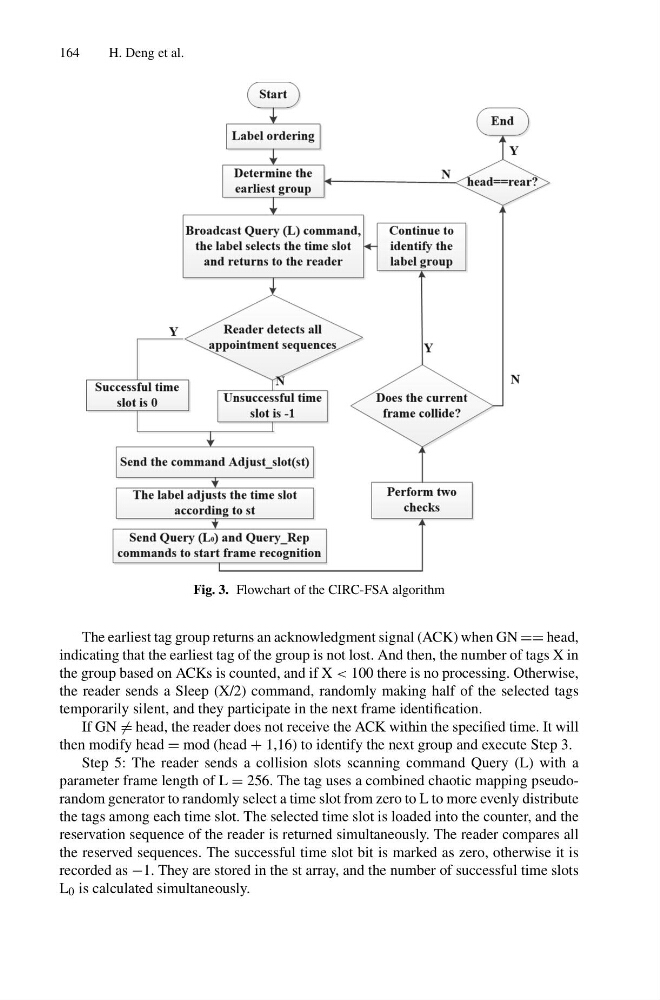
Fig. 3. Flowchart of the CIRC-FSA algorithm
The earliest tag group returns an acknowledgment signal (ACK) when GN == head,
indicating that the earliest tag of the group is not lost. And then, the number of tags X in
the group based on ACKs is counted, and if X < 100 there is no processing. Otherwise,
the reader sends a Sleep (X/2) command, randomly making half of the selected tags
temporarily silent, and they participate in the next frame identification.
If GN = head, the reader does not receive the ACK within the specified time. It will
then modify head = mod (head + 1,16) to identify the next group and execute Step 3.
Step 5: The reader sends a collision slots scanning command Query (L) with a
parameter frame length of L = 256. The tag uses a combined chaotic mapping pseudorandom generator to randomly select a time slot from zero to L to more evenly distribute
the tags among each time slot. The selected time slot is loaded into the counter, and the
reservation sequence of the reader is returned simultaneously. The reader compares all
the reserved sequences. The successful time slot bit is marked as zero, otherwise it is
recorded as −1. They are stored in the st array, and the number of successful time slots
L 0 is calculated simultaneously.
H. Deng et al.
Fig. 3. Flowchart of the CIRC-FSA algorithm
The earliest tag group returns an acknowledgment signal (ACK) when GN == head,
indicating that the earliest tag of the group is not lost. And then, the number of tags X in
the group based on ACKs is counted, and if X < 100 there is no processing. Otherwise,
the reader sends a Sleep (X/2) command, randomly making half of the selected tags
temporarily silent, and they participate in the next frame identification.
If GN = head, the reader does not receive the ACK within the specified time. It will
then modify head = mod (head + 1,16) to identify the next group and execute Step 3.
Step 5: The reader sends a collision slots scanning command Query (L) with a
parameter frame length of L = 256. The tag uses a combined chaotic mapping pseudorandom generator to randomly select a time slot from zero to L to more evenly distribute
the tags among each time slot. The selected time slot is loaded into the counter, and the
reservation sequence of the reader is returned simultaneously. The reader compares all
the reserved sequences. The successful time slot bit is marked as zero, otherwise it is
recorded as −1. They are stored in the st array, and the number of successful time slots
L 0 is calculated simultaneously.