

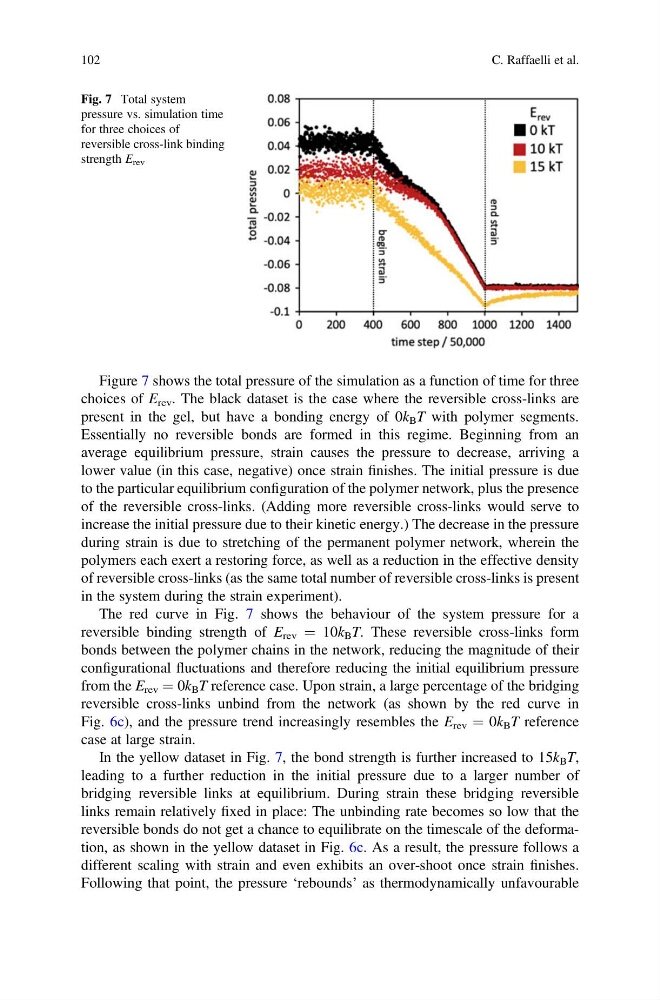
Figure 7 shows the total pressure of the simulation as a function of time for three
choices of E rev . The black dataset is the case where the reversible cross-links are
present in the gel, but have a bonding energy of 0k B T with polymer segments.
Essentially no reversible bonds are formed in this regime. Beginning from an
average equilibrium pressure, strain causes the pressure to decrease, arriving a
lower value (in this case, negative) once strain finishes. The initial pressure is due
to the particular equilibrium configuration of the polymer network, plus the presence
of the reversible cross-links. (Adding more reversible cross-links would serve to
increase the initial pressure due to their kinetic energy.) The decrease in the pressure
during strain is due to stretching of the permanent polymer network, wherein the
polymers each exert a restoring force, as well as a reduction in the effective density
of reversible cross-links (as the same total number of reversible cross-links is present
in the system during the strain experiment).
The red curve in Fig. 7 shows the behaviour of the system pressure for a
reversible binding strength of E rev ¼ 10k B T. These reversible cross-links form
bonds between the polymer chains in the network, reducing the magnitude of their
configurational fluctuations and therefore reducing the initial equilibrium pressure
from the E rev ¼ 0k B T reference case. Upon strain, a large percentage of the bridging
reversible cross-links unbind from the network (as shown by the red curve in
Fig. 6c), and the pressure trend increasingly resembles the E rev ¼ 0k B T reference
case at large strain.
In the yellow dataset in Fig. 7, the bond strength is further increased to 15k B T,
leading to a further reduction in the initial pressure due to a larger number of
bridging reversible links at equilibrium. During strain these bridging reversible
links remain relatively fixed in place: The unbinding rate becomes so low that the
reversible bonds do not get a chance to equilibrate on the timescale of the deformation, as shown in the yellow dataset in Fig. 6c. As a result, the pressure follows a
different scaling with strain and even exhibits an over-shoot once strain finishes.
Following that point, the pressure ‘rebounds’ as thermodynamically unfavourable
Fig. 7 Total system
pressure vs. simulation time
for three choices of
reversible cross-link binding
strength E rev
102
C. Raffaelli et al.
choices of E rev . The black dataset is the case where the reversible cross-links are
present in the gel, but have a bonding energy of 0k B T with polymer segments.
Essentially no reversible bonds are formed in this regime. Beginning from an
average equilibrium pressure, strain causes the pressure to decrease, arriving a
lower value (in this case, negative) once strain finishes. The initial pressure is due
to the particular equilibrium configuration of the polymer network, plus the presence
of the reversible cross-links. (Adding more reversible cross-links would serve to
increase the initial pressure due to their kinetic energy.) The decrease in the pressure
during strain is due to stretching of the permanent polymer network, wherein the
polymers each exert a restoring force, as well as a reduction in the effective density
of reversible cross-links (as the same total number of reversible cross-links is present
in the system during the strain experiment).
The red curve in Fig. 7 shows the behaviour of the system pressure for a
reversible binding strength of E rev ¼ 10k B T. These reversible cross-links form
bonds between the polymer chains in the network, reducing the magnitude of their
configurational fluctuations and therefore reducing the initial equilibrium pressure
from the E rev ¼ 0k B T reference case. Upon strain, a large percentage of the bridging
reversible cross-links unbind from the network (as shown by the red curve in
Fig. 6c), and the pressure trend increasingly resembles the E rev ¼ 0k B T reference
case at large strain.
In the yellow dataset in Fig. 7, the bond strength is further increased to 15k B T,
leading to a further reduction in the initial pressure due to a larger number of
bridging reversible links at equilibrium. During strain these bridging reversible
links remain relatively fixed in place: The unbinding rate becomes so low that the
reversible bonds do not get a chance to equilibrate on the timescale of the deformation, as shown in the yellow dataset in Fig. 6c. As a result, the pressure follows a
different scaling with strain and even exhibits an over-shoot once strain finishes.
Following that point, the pressure ‘rebounds’ as thermodynamically unfavourable
Fig. 7 Total system
pressure vs. simulation time
for three choices of
reversible cross-link binding
strength E rev
102
C. Raffaelli et al.